


Understanding the Enemy: What Is Root Rot?
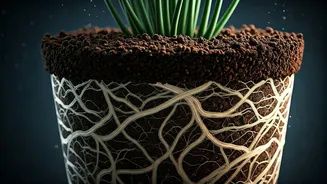
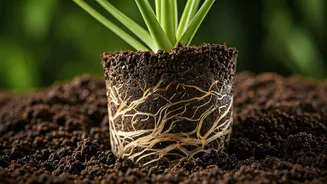
Root rot is a disease that occurs when a plant's roots are deprived of oxygen due to waterlogged soil. This suffocating, overly moist environment becomes a breeding ground for fungi and bacteria that attack and decay the root system. Plant roots need
both water and air to function. When soil is constantly saturated, there are no air pockets, and the roots essentially drown. As the roots die, they can no longer absorb the water and nutrients the plant needs to survive, leading to a rapid decline in health that can be fatal if not addressed.
Spotting the Telltale Signs of Trouble
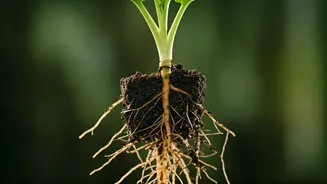
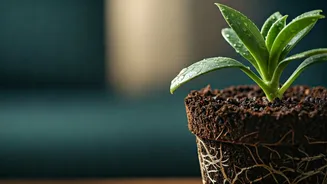
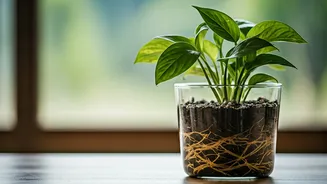
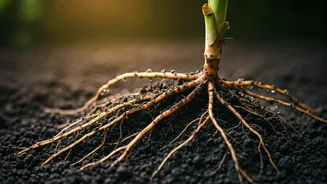
The tricky part about root rot is that the initial damage happens below the soil, out of sight. However, there are several above-ground symptoms that signal a problem. A classic sign is a plant that appears wilted even when the soil is wet. This happens because the rotting roots are unable to transport water to the leaves. Other indicators include yellowing or dropping lower leaves, stunted growth, and a generally unhealthy appearance. If you suspect rot, the only way to be certain is to gently remove the plant from its pot and inspect the roots. Healthy roots are typically firm and white or tan. Rotting roots will be dark brown or black, feel soft and mushy, and may even have a foul, rotten smell.
Your First Line of Defence: Superior Drainage
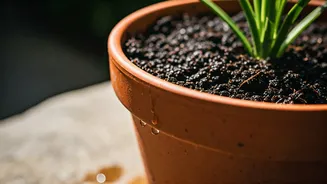
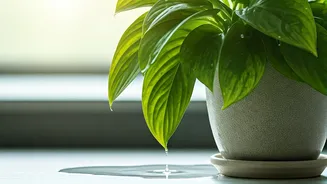
Prevention is always better than cure, and the number one way to prevent root rot is to ensure excellent drainage. The goal is to create a soil environment that stays moist but never waterlogged, allowing excess water to escape quickly while retaining enough for the plant's needs. This starts with the right container. Always choose a pot with at least one drainage hole. For larger pots made of non-porous materials like plastic or glazed ceramic, multiple drainage holes are even better. After watering, make it a habit to empty the saucer beneath the pot after about 10-15 minutes, as letting a plant sit in standing water is a direct invitation for root rot.
Fast Fixes for Potted Plants
If you're using pots, improving drainage is a quick and effective process. The most important factor is your potting medium. Standard garden soil is often too heavy and compacts easily, holding onto excess water. Instead, use a high-quality potting mix designed for containers. To significantly boost drainage, amend your soil by mixing in materials that create air pockets. Perlite, those small white volcanic glass pebbles, is excellent for lightening soil and improving aeration. Pumice, a heavier volcanic rock, serves a similar purpose. For plants that require even sharper drainage, like succulents, adding coarse sand can also be beneficial. A good general-purpose recipe is to mix your potting soil with about one-third of these drainage-enhancing materials.
When Root Rot Has Already Struck
If you've confirmed your plant has root rot, quick action is required to save it. First, gently remove the plant from its pot and wash away all the old soil from the roots. Using a pair of clean, sterilized scissors, carefully trim away all the dark, mushy, and rotten roots. Be thorough, as leaving any diseased roots behind can allow the rot to spread. If the rot is extensive, you may need to prune back about one-third of the plant's leaves to reduce the stress on the smaller, remaining root system. Finally, repot the plant in a clean pot with fresh, well-draining soil. Water it sparingly and place it in an area with good light and air circulation to help it recover.