



From Hobby to Identity
Look around your social media feed. It’s no longer just pictures of lattes and vacation sunsets. You’re likely to see a proud ‘plant parent’ posing with their new Monstera, its fenestrated leaves perfectly catching the light. This isn't just gardening;
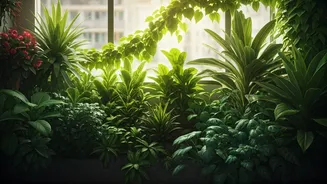
it's a curated performance of nurturing and taste. The hashtags tell the story: #urbanjungle, #plantmom, #plantdaddy. These aren't just tags; they are declarations of an identity. The shift has been subtle but profound. What was once a quiet, personal pastime has become a public-facing lifestyle choice, a way to signal values like patience, an appreciation for nature, and a certain aesthetic sensibility. In a world saturated with digital noise, caring for a living, growing thing has become a radical act of being present.
The Wellness Connection
The boom in indoor plants runs parallel to the rise of the wellness industry. It’s no coincidence. The concept of 'biophilia'—the innate human tendency to seek connections with nature—is now a mainstream idea. In our concrete-heavy urban lives, especially in bustling Indian cities, a pot of green is a small rebellion against the grey. Scientific studies have long suggested that the presence of indoor plants can reduce stress, improve air quality, and even boost productivity. But beyond the clinical benefits, there’s a deeper, more emotional connection. The simple act of watering a plant, wiping its leaves, or noticing new growth is a form of mindfulness. It forces us to slow down, to observe, and to care. Our homes, particularly after the global pandemic forced us indoors, transformed from mere shelters into sanctuaries. Plants became an essential part of creating that calming, restorative environment.
An Aesthetic and Curated Choice
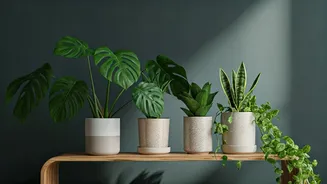
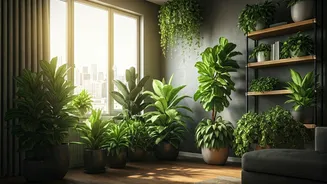
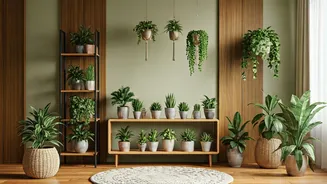
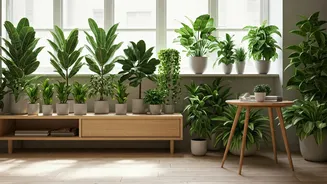
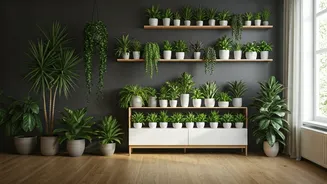
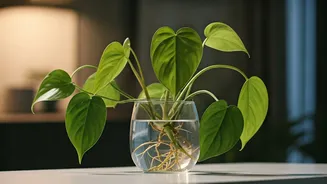
Let’s be honest: this is also about looking good. The indoor gardening trend is deeply intertwined with interior design. It’s not just any plant; it’s the *right* plant. The photogenic Fiddle-Leaf Fig, the dramatic Bird of Paradise, or the trailing Pothos are as much design elements as a statement rug or a piece of art. They add texture, colour, and life to a space, instantly making it feel more vibrant and 'designed.' Architectural and design magazines are filled with lush, green-filled interiors, setting a new standard for what a beautiful home looks like. This has created a discerning consumer—one who knows their Calathea from their Alocasia and seeks out specific varieties to match their decor. The plant has become a living sculpture, a final, perfect touch to a carefully constructed personal space.
The Indian Urban Context
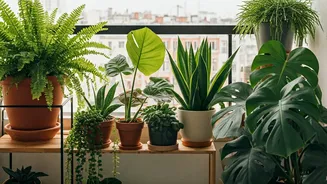
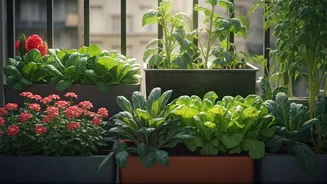
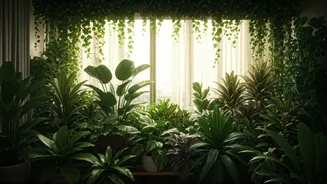
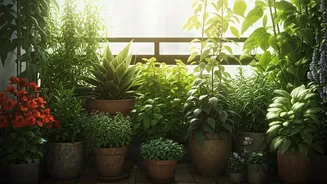
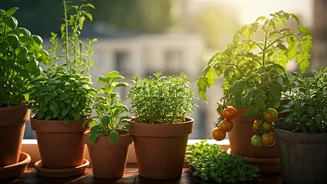
In India, this global trend has found unique resonance. For many living in high-rise apartments in Mumbai, Bengaluru, or Delhi, a private garden is an impossible luxury. A collection of indoor plants offers a powerful, accessible connection to nature. It’s a balcony transformed into a miniature jungle, a windowsill lined with herbs, a corner of the living room dedicated to a towering fiddle-leaf. This trend also taps into a revival of traditional knowledge. Many of us grew up seeing our grandparents tend to tulsi, money plants, and aloe vera, valued not just for their beauty but for their Vastu or medicinal properties. The modern indoor gardening movement blends this inherited wisdom with global aesthetic trends, creating a style that is both contemporary and deeply rooted.
More Than Just a Pretty Leaf
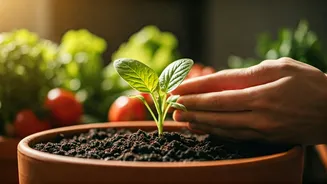
Ultimately, the responsibility of keeping something alive is what elevates indoor gardening from a trend to a meaningful practice. Unlike a new cushion or a piece of furniture, a plant demands something from you: attention, care, and patience. It responds to your efforts—or lack thereof. This low-stakes relationship of nurturing provides a tangible sense of purpose and accomplishment. In a life of abstract digital tasks and long-term goals, watching a new leaf unfurl is a small, concrete victory. It’s a daily reminder that growth takes time, that a little care goes a long way, and that beauty can be found in the slow, quiet processes of life.