






Why Your Body 'Heats Up' After Eating
The process is called the thermic effect of food (TEF). When you eat, your body uses energy to digest, absorb, and metabolise the nutrients. Protein has the highest TEF of all macronutrients, meaning it requires the most energy to process—up to 30% of the calories
you consume from it. This metabolic effort generates heat. While this is great for staying warm in winter, it's the last thing you need during a sweltering Indian summer. Heavy, fatty proteins like red meat (mutton, buff) are particularly demanding on your digestive system. Opting for 'lighter' proteins, which are easier for your body to break down, reduces this internal heat production, helping you feel more comfortable and energetic.
Lean Poultry: The Versatile Choice
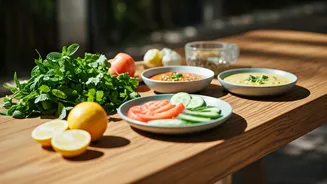
Chicken breast is a fantastic lean protein for hot weather. It's lower in fat compared to red meat and is incredibly versatile. Instead of heavy, oil-rich curries, think lighter preparations. A simple grilled chicken salad with fresh greens, cucumber, and a squeeze of lime is refreshing and satisfying. Shredded boiled chicken can be used in sandwiches with mint chutney or added to a light broth-based soup. Tandoori chicken, cooked in a clay oven without much oil, is another excellent choice that delivers on flavour without the heaviness of a rich gravy. The key is to focus on cooking methods like grilling, boiling, or baking rather than deep-frying.
Fish: Cool, Quick, and Nutrient-Packed
Fish is one of the most easily digestible proteins available. Its flesh has less connective tissue than red meat, meaning your body spends less energy and generates less heat breaking it down. Varieties like rohu, pomfret, and surmai are popular choices. Furthermore, fatty fish are rich in omega-3 fatty acids, which have anti-inflammatory properties that can be beneficial when your body is under stress from the heat. A simple steamed fish with herbs, a light Bengali fish stew like 'macher jhol' with minimal spices, or a quick pan-sear with garlic and lemon are all brilliant ways to enjoy fish without feeling sluggish.
Curd and Yogurt: The Probiotic Powerhouse
There's a reason why dahi, lassi, and chaas are staples in Indian summers. Curd (dahi) and yogurt are excellent sources of protein that are naturally cooling. The fermentation process pre-digests some of the lactose, making them easier on the stomach. They are also packed with probiotics, which support a healthy gut—something that can often be compromised during hot weather due to dehydration and changes in eating habits. A simple bowl of dahi with a pinch of roasted jeera, a cooling raita with cucumber or boondi, or a refreshing glass of buttermilk are perfect ways to get your protein fix and stay hydrated.
Lentils and Legumes: The Plant-Based Heroes
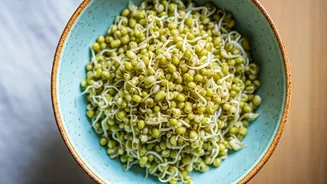
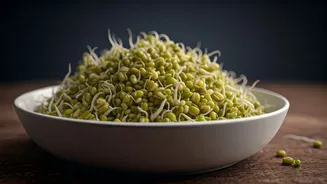
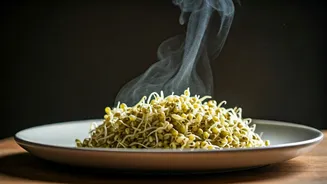
Dal is the comfort food of India for a reason. Lentils (dal) and legumes like chickpeas (chana) are plant-based protein powerhouses that are generally easier to digest than meat, especially when cooked well. A thin masoor or moong dal is much lighter on the system than a rich dal makhani. Sprouted moong dal salad is another fantastic, no-cook option that is rich in protein and enzymes. Chickpeas can be used to make a light chana chaat with chopped onions, tomatoes, and tamarind chutney, or blended into hummus for a cooling, satisfying dip with vegetable sticks.
Paneer and Tofu: Soft and Satisfying
For vegetarians, paneer is a go-to protein source. While it can be used in heavy dishes, its true summer potential is unlocked in lighter forms. Think soft, crumbled paneer bhurji with minimal oil and spices, or cubes of paneer lightly tossed with bell peppers and onions. Tofu, made from soybeans, is an even lighter alternative. It has a high water content and is very easy to digest. It absorbs flavours beautifully, making it perfect for marinating in light, citrusy sauces and adding to salads or clear soups. A simple tofu stir-fry with plenty of vegetables is a quick, healthy, and heat-friendly meal.