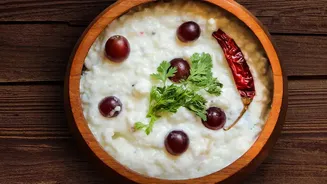




It's a familiar warning in many Indian households: as soon as the temperature drops, the dahi is pushed to the back of the fridge. But does this staple truly deserve its reputation as a cold-weather culprit for coughs and colds?
The Chilling Myth
The belief that eating
curd, or dahi, during winter will give you a cold is a deeply ingrained notion. The logic seems simple enough: winter is cold, curd is consumed chilled, and therefore, eating something cold will make your body cold and susceptible to illness. Many people report experiencing increased mucus, a sore throat, or a cough after consuming it in colder months. This conventional wisdom is passed down through generations, making the humble bowl of curd a seasonal outcast. But modern science tells a different story about what actually causes the common cold and how our bodies react to chilled foods.
What Really Causes a Cold?
Medical science is clear: the common cold is caused by viruses, most commonly rhinoviruses, not by the temperature of the food you eat. These viruses spread when you come into contact with airborne droplets from an infected person's cough or sneeze, or by touching a contaminated surface. While cold weather does correlate with more sickness, it's not because of the temperature itself. It's because people spend more time indoors in close proximity, allowing viruses to spread more easily. Furthermore, cold, dry air can dry out your nasal passages, which can make it slightly easier for viruses to take hold, but eating a cold food like curd does not introduce a virus into your system.
Curd: An Immunity-Boosting Powerhouse
Far from being a winter villain, curd is actually a nutritional hero packed with properties that can strengthen your immune system. It's a fantastic source of probiotics—live bacteria that are incredibly beneficial for your gut health. A healthy gut is the foundation of a strong immune system. The probiotics in curd help fight off harmful pathogens and can even reduce the risk and duration of respiratory infections. Beyond probiotics, curd is rich in protein, calcium, vitamin B12, and zinc, all of which are crucial for maintaining a robust immune response. So, ironically, avoiding curd in winter means you could be missing out on a food that helps your body fight the very infections you're trying to prevent.
The Ayurvedic Point of View
So, where does the belief come from? A lot of it is rooted in Ayurveda, which has a more nuanced perspective. According to Ayurvedic principles, curd is believed to increase 'Kapha dosha' in the body. Kapha is associated with qualities like coldness, heaviness, and mucus. Therefore, consuming curd, especially at night or straight from the refrigerator, is thought to potentially increase mucus secretion and might aggravate symptoms in people who are already prone to respiratory issues like asthma, coughs, or sinus problems. While some modern sources claim Ayurveda sees curd as warming in nature, the more common interpretation is that it's heavy and mucus-promoting, which is why caution is advised. This doesn't mean curd causes the initial illness, but that it could worsen the symptoms for some individuals.
How to Enjoy Curd Sensibly in Winter
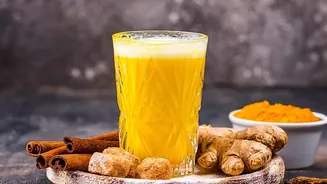
You don't have to give up curd completely when it gets cold. The key is not if you eat it, but how you eat it. Experts from both modern nutrition and Ayurvedic backgrounds suggest a few simple adjustments. First, avoid eating curd straight from the refrigerator. Allow it to sit at room temperature for a while before consumption. This simple step reduces the 'cooling' effect that can irritate a sensitive throat. Second, the best time to have curd is during the day, preferably with your lunch, when your digestive system is at its most active. Avoid having it at night. To further balance its properties, you can mix in warming spices like a pinch of black pepper, roasted cumin, or ginger, which can aid digestion and counteract its mucus-forming tendencies.