






Embrace the Layering System
The single most effective strategy for multi-climate packing is layering. Instead of packing bulky single-purpose items, think in terms of a three-part system you can adapt. Start with a base layer—a thin, moisture-wicking shirt that sits close to your
skin. For your mid-layer, choose an insulating piece like a fleece or a lightweight wool sweater. Your outer layer should be a waterproof and windproof shell jacket; it doesn't need heavy insulation, as the mid-layer provides the warmth. In a coastal town, you might only wear the base layer. On a cold mountain pass, you’ll wear all three. This modular approach gives you incredible flexibility without the bulk.
Discover the Magic of Merino Wool
If there's one fabric made for multi-climate travel, it's merino wool. This natural fibre is a performance powerhouse. It regulates body temperature, meaning it keeps you cool in the heat by wicking sweat away from your skin and keeps you warm in the cold by trapping air. Unlike cotton, which gets damp and cold, merino wool stays warm even when wet. Perhaps its best travel feature is its natural resistance to odour, allowing you to wear items multiple times without washing, which means you can pack fewer clothes. Investing in a few merino wool t-shirts, socks, and a base layer can dramatically reduce your luggage weight and volume.
Choose Your Outerwear Wisely
Your jacket is often the bulkiest item, so choose carefully. For maximum versatility, consider two key pieces: a highly compressible down or synthetic-fill puffy jacket and a separate lightweight, waterproof rain shell. Down offers the best warmth-for-weight and packs down incredibly small, making it ideal for cold, dry conditions. Synthetic insulation performs better when wet, so it can be a more reliable choice for damp climates. By bringing a separate rain shell, you can wear it on its own during a warm coastal shower or layer it over your puffy jacket for full protection in a cold, wet, and windy mountain environment. Always wear your bulkiest jacket on the plane to save suitcase space.
Smart Footwear Is Non-Negotiable
Shoes are notoriously bulky, so you can't afford to take a pair for every occasion. Aim for a maximum of three versatile pairs. First, a pair of comfortable, sturdy walking shoes or lightweight hiking boots that can handle trails and city streets. Second, a pair of sandals or water shoes for the beach and warm evenings. Third, a casual but smart-looking pair of flats or sneakers that can be dressed up or down. If your hiking boots are comfortable and stylish enough, they might even double as your everyday shoe, saving more space.
Leverage Convertible and Versatile Items
Look for clothing that can perform double duty. Convertible hiking pants that zip off into shorts are a classic example of multi-climate efficiency. A large, stylish scarf or pashmina can be used for warmth around your neck in the cold, as a shoulder covering on a cool evening, or even as a makeshift beach blanket. Choose neutral-coloured basics that can all be mixed and matched, allowing you to create numerous outfits from a small number of items. This “capsule wardrobe” approach is the essence of packing light.
Don't Forget Small But Mighty Accessories
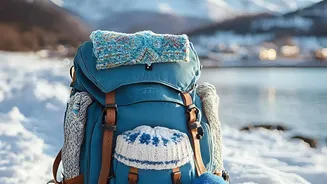
Never underestimate the impact of small accessories. A warm hat, a pair of gloves, and warm wool socks take up very little space but make a huge difference in comfort when temperatures plummet at high altitudes. These items are small enough to be tucked into jacket pockets but are essential for retaining body heat in cold passes. Likewise, for the coast, a good sun hat and sunglasses are crucial for protection and comfort.
Organise with Packing Cubes
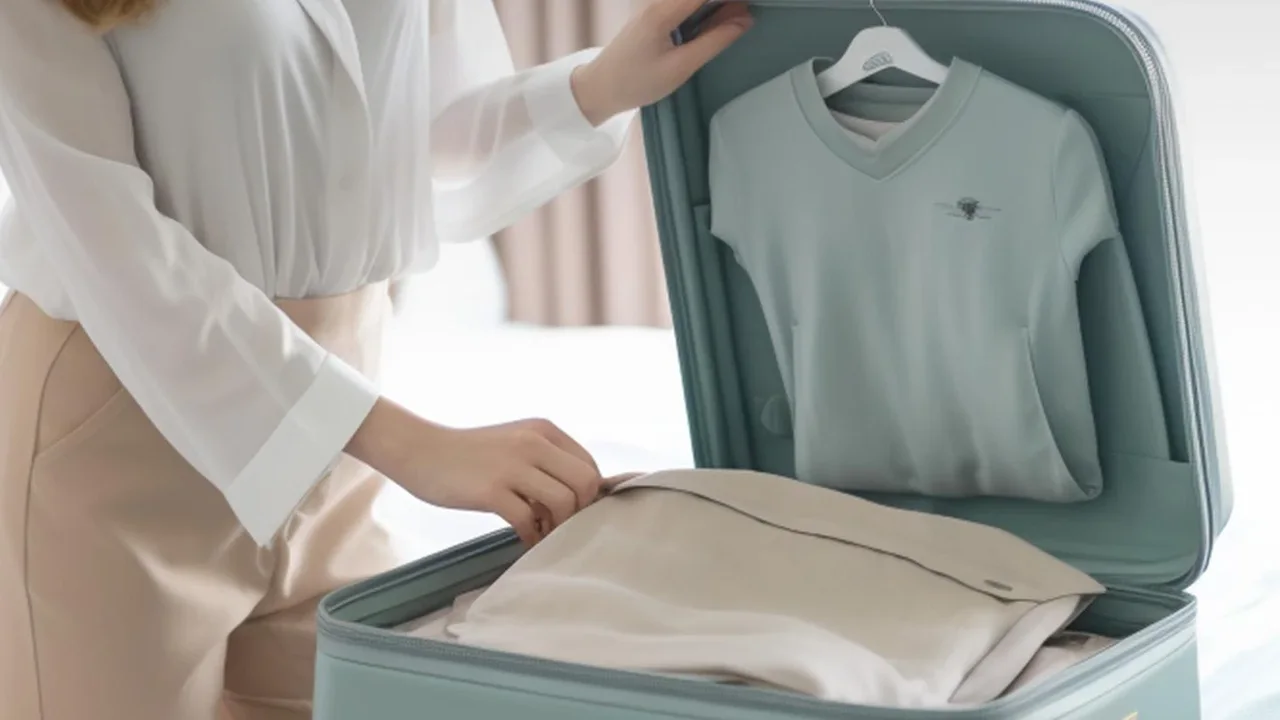
Packing cubes are essential for staying organised and maximising space. Use them to categorise your clothes—one cube for warm weather gear, another for cold. This prevents you from having to rummage through your entire bag to find what you need. Compression packing cubes are even better, as they have an extra zipper that squeezes out excess air, significantly reducing the volume of bulky items like fleece and puffy jackets. By keeping your climates separated in cubes, you can unpack only what you need, leaving the rest of your luggage neatly organised for the next leg of your journey.