




The Unkillable Snake Plant
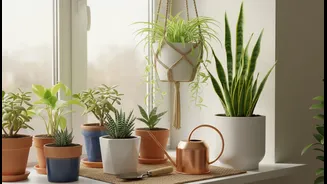
The Snake Plant, or Sansevieria, is legendary for its resilience, making it a perfect companion for the rainy season. Its upright, architectural leaves are not just for show; they are excellent at storing water, which means it’s incredibly forgiving if
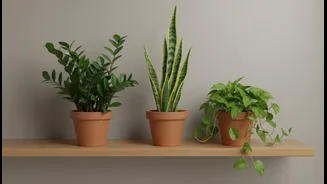
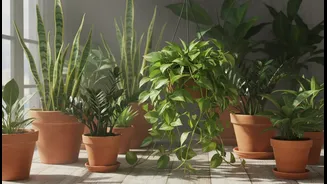
you forget to water it. The number one enemy of houseplants during the monsoon is root rot from overwatering, and the Snake Plant’s tolerance for dry soil is its superpower. It thrives in low light, a common condition during overcast monsoon days, and is a fantastic air purifier, helping to keep your indoor environment fresh when windows are kept closed. For best results, use a well-draining soil mix and water only when the top few inches of soil are completely dry to the touch. This ensures its roots, which are adapted to dry, rocky habitats, remain healthy.
The Ever-Glossy ZZ Plant
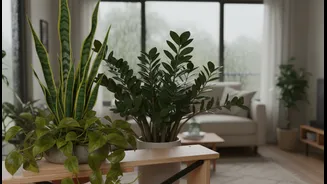
The Zamioculcas zamiifolia, or ZZ Plant, is another champion of low-effort gardening. Its glossy, waxy leaves are so perfect they almost look artificial. Native to arid regions in Africa, it has evolved to withstand long periods of drought, storing water in its large, potato-like rhizomes underground. This makes it exceptionally resistant to root rot, a major risk in the damp monsoon weather. The ZZ Plant is perfectly happy in low to medium indirect light, making it ideal for brightening up a dim corner of your home during the often gloomy rainy months. Its water needs are minimal; you should allow the soil to dry out completely between waterings, which might mean watering only every few weeks during the monsoon.
The Cascading Money Plant (Pothos)
Known in India as the Money Plant, Golden Pothos is one of the most popular and adaptable houseplants. It truly comes into its own during the rainy season, as it loves the high humidity. This tropical vine is not fussy about light, tolerating the lower light levels of monsoon days with ease, though its growth may slow slightly. Pothos is excellent at communicating its needs; its leaves will start to droop slightly when it's thirsty, taking the guesswork out of watering. This is especially helpful when the soil stays damp for longer. Like other plants on this list, it’s best to let the top inch or two of soil dry before watering again to prevent root rot. Its trailing vines look beautiful cascading from shelves or hanging baskets, adding a touch of lush greenery to indoor spaces.
The Graceful Peace Lily
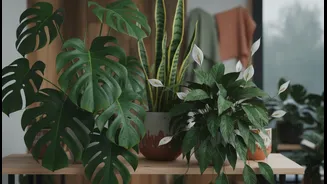
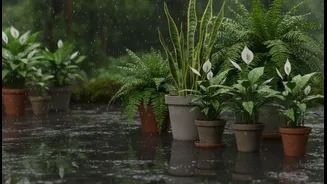
The Peace Lily (Spathiphyllum) is a beautiful choice that thrives in the exact conditions the monsoon provides: higher humidity and lower light. While many plants struggle with less sun, the Peace Lily prefers indirect light and can even produce its elegant white blooms in shadier spots. It’s also quite communicative, as its leaves will visibly droop when it needs water, bouncing back quickly once irrigated. This dramatic signal helps prevent overwatering. Because its roots are adapted to consistently damp tropical forest floors, they handle moisture better than many other plants, though good drainage is still essential to keep them healthy. The Peace Lily is also known for its air-purifying qualities, making it a healthy and beautiful addition to your home.
The Resilient Spider Plant
The Spider Plant (Chlorophytum comosum) is a classic for a reason. It’s incredibly adaptable and forgiving, making it perfect for beginners and busy plant owners. It appreciates the higher humidity that the monsoon brings and can tolerate a range of light conditions, including lower-light areas. Overwatering is less of a concern with Spider Plants compared to others, though you should still aim to let the soil dry out slightly between waterings. Its arching leaves and the little “pups” or baby plantlets it produces add a dynamic, playful feel to any room. Like the Snake Plant and Peace Lily, it is also celebrated for its ability to filter indoor air pollutants.
The Colourful Aglaonema
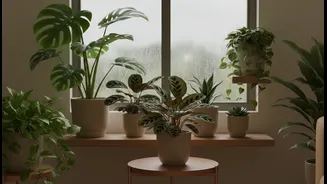
Also known as the Chinese Evergreen, Aglaonema is prized for its stunningly patterned leaves that come in shades of green, silver, pink, and red. These plants are well-suited for the monsoon season because they handle low-light conditions exceptionally well and appreciate the increased humidity in the air. Their ability to thrive without direct sun makes them perfect for brightening up rooms that don’t get much natural light during overcast days. To prevent root rot, use a loose, well-draining soil and water only when the top layer of soil feels dry. Their vibrant foliage offers a cheerful splash of colour against the grey backdrop of a rainy day.