






The Surprising Stars of Savoury Curries
When you think of bananas in a curry, your mind might recoil. But we're not talking about the sweet, yellow fruit you have with breakfast. The star here is the raw, green banana, or plantain, a staple in South Indian cooking. When cooked, it has a firm,
starchy texture and a neutral, earthy taste, making it an excellent carrier for spices, much like a potato. Paired with the seasonal hero, the sweet potato, you get a beautiful contrast. The sweet potato provides a natural, gentle sweetness and a creamy texture that softens as it cooks, perfectly balancing the firm bite of the raw banana. Together, they create a curry that is texturally interesting and rich in flavour without being heavy.
From Kerala: A Creamy Coconut Kootu
South India, particularly Kerala, excels at creating sublime curries with coconut milk and local vegetables. A 'Kootu' is a gentle, stew-like curry made with lentils and vegetables. To make a version with our star ingredients, start by boiling cubed sweet potato and chopped raw banana until just tender. In a separate pan, temper mustard seeds, curry leaves, and a dry red chilli in coconut oil. To this, add a coarse paste of grated coconut, green chillies, and cumin seeds. Sauté for a minute before adding the boiled vegetables, a little turmeric, and salt. Add a splash of water or thin coconut milk and let it simmer for a few minutes for the flavours to meld. The result is a mildly spiced, creamy, and wholesome curry that is perfect with steamed rice.
From Bengal: A Tangy and Spiced Torkari
Bengali cuisine offers a different flavour profile, often featuring the unique aroma of panch phoran (a five-spice blend) and mustard oil. A 'Torkari' is a general term for a vegetable dish, which can be dry or with a gravy. For a Bengali-style sweet potato curry, or 'Ranga Alur Torkari', start by heating mustard oil and tempering it with panch phoran and a bay leaf. Add cubed sweet potatoes and sauté until they get a little colour. You can also add chunks of raw banana at this stage. Add ginger paste, turmeric, red chilli powder, and cumin powder and fry the spices for a minute. Then add a little water, salt, and a pinch of sugar to balance the flavours. Cover and cook until the vegetables are tender. This curry is more robust and tangy, offering a wonderful contrast to the Keralan version.
A Simple Dry Sabzi for Weeknights
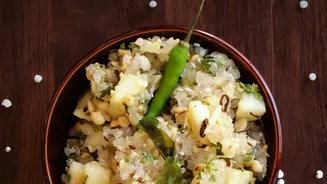
For a quick, everyday meal, a dry 'sabzi' or stir-fry is ideal. This method requires minimal gravy and lets the vegetables shine. Heat some oil and temper with mustard and cumin seeds. Add chopped onions and sauté until soft. Then, add diced sweet potato and raw banana, along with turmeric, coriander powder, and chilli powder. Add salt and a small splash of water, then cover and cook on low heat, stirring occasionally, until the vegetables are cooked through but still hold their shape. You can finish with a squeeze of lemon juice and some fresh coriander. This simple preparation works wonderfully as a side dish with dal and rotis and showcases the natural taste of the vegetables.
Tips for Perfect Preparation
To get the best out of these ingredients, a little prep goes a long way. When choosing sweet potatoes, look for firm ones with smooth skin and no bruises or soft spots. For raw bananas, choose ones that are firm and completely green. To prepare the bananas, peel them and chop them into cubes, then immediately place them in a bowl of water with a little salt or turmeric to prevent them from browning. Since raw bananas and sweet potatoes can have different cooking times, you can pre-boil or steam them separately until partially cooked to ensure they are both perfectly tender in the final dish.