





The ‘Why’ Behind the Shift
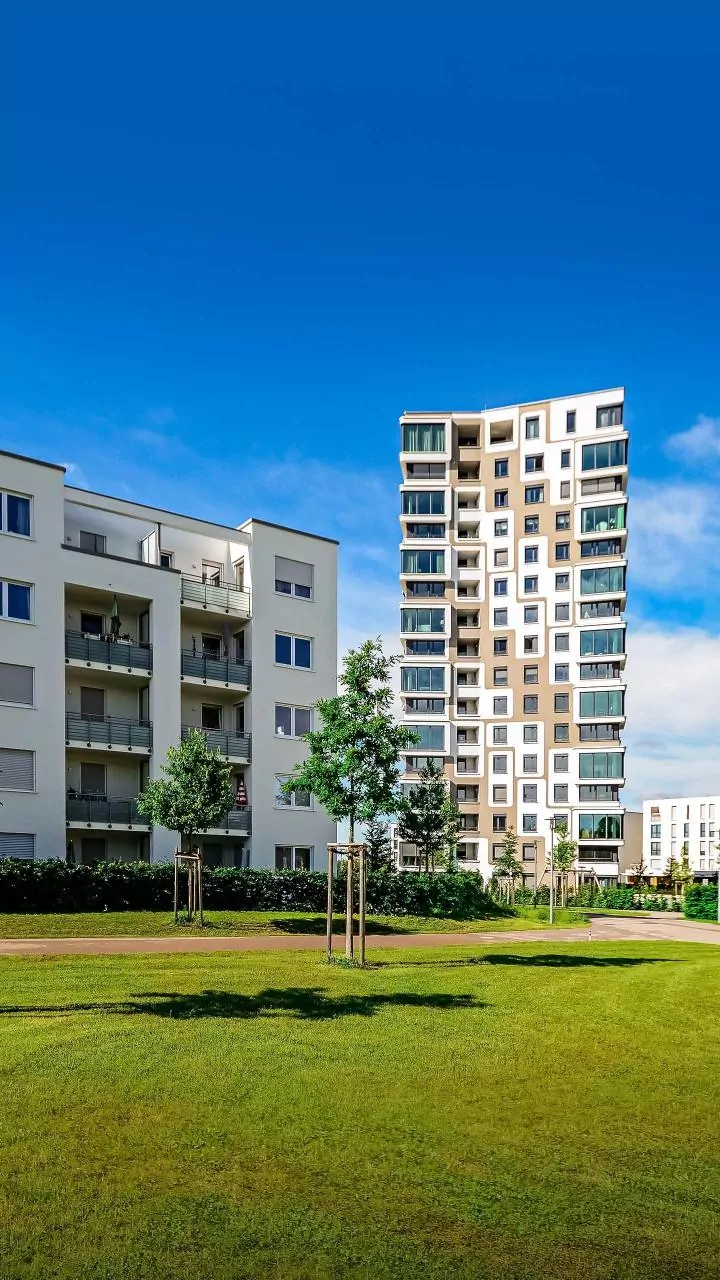
Step into a modern Indian home, especially in a bustling city like Mumbai, Bengaluru, or Delhi, and you’ll notice a quiet revolution. The days of rooms crammed with heavy, single-use furniture are fading. This isn't just about aesthetics; it's a practical
response to our changing lives. Urban apartments are becoming more compact, forcing us to be smarter with every square foot. The rise of remote work has turned bedrooms and living rooms into part-time offices, demanding flexibility. More than ever, we crave a sanctuary—a calm, organised space free from the chaos of the outside world. This trend is a move towards intentional living, where every object in your home must earn its keep by being beautiful, useful, or ideally, both.
What 'More Function' Really Means
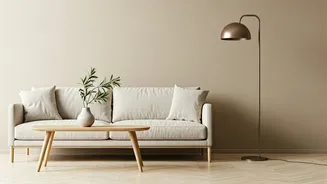
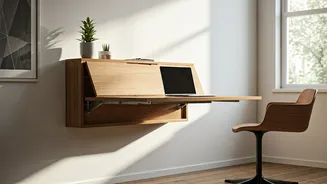
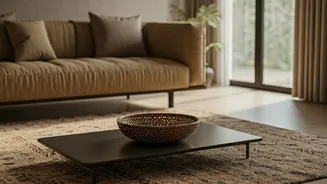
Let’s be clear: this isn’t about living in a stark, empty box. “More function” is the opposite of deprivation. It’s about abundance—of space, versatility, and peace of mind. It’s about investing in clever designs that serve multiple needs. Think of a coffee table that rises to become a dining table, a sleek wall unit that hides a fold-down desk, or an ottoman that not only offers a place to sit but also conceals storage for blankets and magazines. This approach prioritises movement, light, and air, making even the smallest of homes feel expansive. The goal is to curate a home that adapts to your life, whether you're hosting a party, working on a deadline, or simply relaxing with your family.
Embrace Multi-Functional Marvels
The hero of the functional home is the multi-purpose furniture piece. Start with the living room. Instead of a bulky sofa and separate guest bed, consider a stylish sofa-cum-bed that looks chic during the day and provides a comfortable sleeping spot at night. Nesting tables are another brilliant addition; they can be spread out when you have guests or tucked away to save space. In the bedroom, a bed with built-in drawers underneath can eliminate the need for an extra chest of drawers, freeing up valuable floor space. These pieces work twice as hard, allowing you to have half the furniture without sacrificing any utility.
Think Vertically and Go Modular
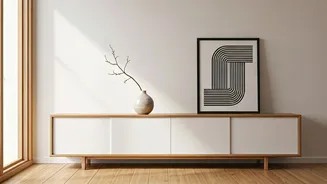
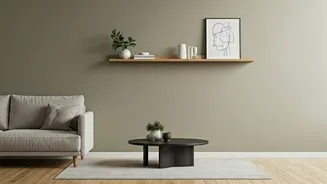
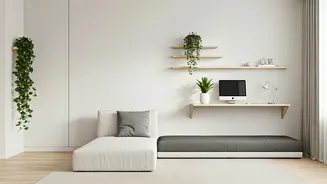
When floor space is limited, the only way to go is up. Vertical storage is a cornerstone of functional design. Instead of multiple small bookcases or cabinets, opt for a single, tall modular shelving unit. These systems can be configured to fit your specific needs, accommodating everything from books and decor to electronics. Wall-mounted shelves are perfect for creating display nooks without eating into your living area. You can even find wall-mounted desks that fold away completely when not in use, making them perfect for a work-from-home setup in a living room or bedroom. By drawing the eye upward, you also create an illusion of height and spaciousness.
Invest in Quality, Not Quantity
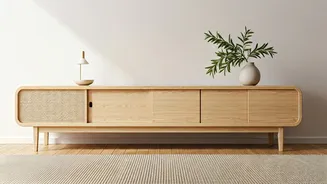
This trend is fundamentally about making conscious choices. It encourages you to move away from the ‘fast furniture’ mindset of buying cheap, disposable items. When you're buying fewer pieces, you can afford to invest in higher-quality items that are built to last. A well-made, solid wood extendable dining table will serve your family for decades, adapting from intimate weeknight dinners to large festive gatherings. A durable, well-designed modular sofa can be reconfigured as your family grows or moves. Choosing timeless designs over fleeting trends ensures your home remains stylish and functional for years, making it a more sustainable and economically sound approach in the long run.
Create Zones Instead of Walls
In open-plan living spaces or small studio apartments, furniture can be a powerful tool for creating distinct functional zones without building walls. Use a low bookshelf or a stylish screen to visually separate the living area from the dining space. A large rug can anchor a seating area, clearly defining it as a zone for relaxation. You can position a console table behind a sofa to create a subtle boundary and a landing spot for keys and mail, effectively creating a mini-entryway. This technique allows a single room to serve multiple purposes seamlessly, enhancing its overall function while maintaining a sense of openness and flow.