







The Complex Case of Cereals
The story for cereals like wheat and rice is one of tight supply and strong demand. In India, prices are firming up even as global prices have recently softened. One major reason is the robust domestic demand for food, animal feed, and increasingly, for ethanol
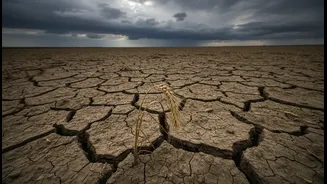
production. However, the biggest looming factor is the weather. The monsoon in June 2026 started with a significant deficit, raising serious concerns about the upcoming Kharif crop yield. Poor rainfall could shrink harvests and put further upward pressure on prices. While annual price inflation for cereals remains modest for now at around 2%, the weak monsoon and low reservoir levels are creating significant uncertainty for the months ahead.
Sugar's Carefully Managed Story
The government is walking a tightrope with sugar. To prevent prices from spiralling, it is actively managing the market by controlling how much sugar mills can sell each month and has extended a ban on exports. For July 2026, the Centre kept the domestic sales quota steady at 22 lakh tonnes, a move aimed at ensuring stability. This intervention comes as prices have been trending upwards. At the same time, sugar mills are facing a squeeze. They are pushing for an increase in the Minimum Selling Price (MSP) of sugar, which hasn't been revised since 2019, even as the price they are required to pay farmers for sugarcane has gone up. This balancing act between controlling consumer prices and ensuring mill viability is central to the sugar story.
Why Edible Oil Prices Sting the Most
If there's one item causing significant budget stress, it's edible oils. As of early July 2026, prices for oils and fats were up a sharp 11% compared to the previous year. India's heavy reliance on imports—around 60% of its total consumption—is the core of the issue. This dependency makes domestic prices vulnerable to global market fluctuations, currency exchange rates, and international shipping costs. The government faces a policy dilemma. To help consumers, it can cut import duties. But to support its own oilseed farmers, it may need to raise them. With global vegetable oil prices remaining firm, this import dependency means Indian households are directly exposed to international price trends, making oils a key driver of food inflation.
The Government's Inflation Battle
Faced with rising commodity costs, the government and the Reserve Bank of India (RBI) are on high alert. The RBI has already raised its inflation forecast for the fiscal year, citing the risks from food prices and global uncertainties. The government's primary tools include managing supply through measures like releasing stocks, controlling exports of items like sugar, and adjusting import duties on commodities like edible oil. The goal is to cushion consumers from sharp price shocks without hurting farmer incomes. However, with unpredictable factors like the monsoon's performance playing a crucial role, keeping food inflation in check remains a significant challenge for policymakers.