






The Reign of Rice Water
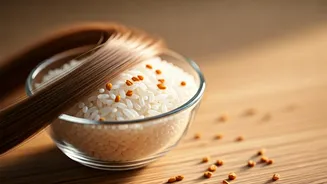
You’ve seen the trend online: influencers and beauty enthusiasts touting the near-magical properties of the cloudy liquid left over from soaking rice. This isn't just social media hype; the practice has deep historical roots, particularly in East Asian
cultures where it's been used for centuries to achieve long, healthy hair. Rice water is packed with amino acids, vitamins B and E, and minerals. The star ingredient is often considered to be inositol, a carbohydrate that can penetrate damaged hair and strengthen it from the inside out, reducing breakage and improving elasticity. However, it's not a perfect solution for everyone. The high starch and protein content can lead to stiffness, dryness, and buildup, especially for those with low-porosity or fine hair.
Meet the Challenger: Fenugreek
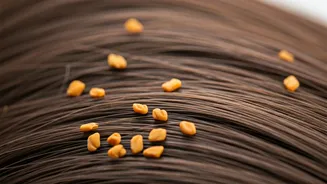
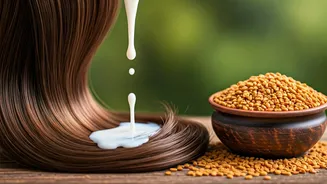
Enter fenugreek, or methi, a staple in Indian cuisine and Ayurvedic medicine. These small, golden-brown seeds are a powerhouse of nutrients that are essential for hair health. They are a rich source of protein and iron, two critical building blocks for strong hair. Fenugreek also contains a unique blend of plant compounds like flavonoids and saponins, which have anti-inflammatory and antifungal properties that can contribute to a healthier scalp. Traditional uses and some modern studies suggest fenugreek can help reduce hair shedding, combat dandruff, soothe scalp irritation, and improve hair's overall softness and manageability. Its conditioning properties come from a high mucilage content, which helps to hydrate dry hair and reduce frizz.
Head-to-Head: Strength vs. Scalp Health
So, how do they compare? Rice water is primarily a strengthening and smoothing treatment. Its main benefit lies in coating the hair shaft to reduce friction and fortify strands. Think of it as a protective shield. Fenugreek, on the other hand, offers a more holistic approach, focusing heavily on scalp health. Its anti-inflammatory and antimicrobial properties address root-level issues like dandruff and follicle inflammation. While rice water can sometimes cause protein overload and dryness, fenugreek is known for its moisturizing and conditioning effects, making it a gentler option for many hair types. Essentially, rice water focuses on the hair that's already grown, while fenugreek works to create a better environment for the hair that's yet to come.
Better Together: The Power Couple
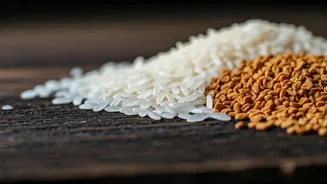
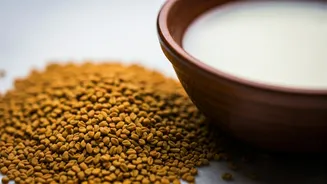
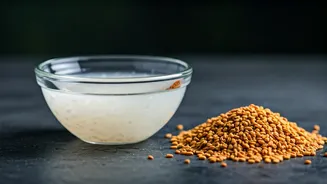
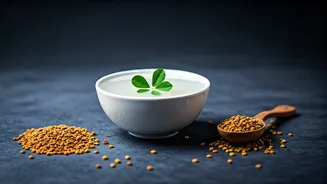
The latest trend isn't about choosing one over the other; it's about combining their strengths. When used together, fenugreek and rice water create a super-rinse that offers a comprehensive nutritional profile for your hair. The combination provides the strengthening benefits of rice water's amino acids with the scalp-soothing and moisturizing properties of fenugreek. This balanced approach can mitigate some of the potential downsides of using rice water alone, such as stiffness or dryness. The fenugreek helps to condition and hydrate, while the rice water strengthens and adds shine, making for a duo that tackles multiple hair concerns at once.
A Simple DIY Recipe to Try
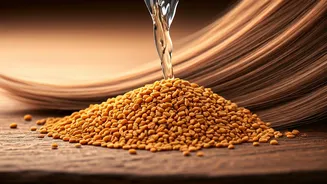
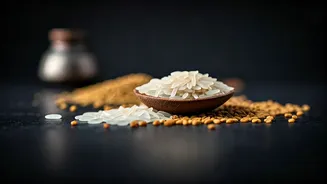
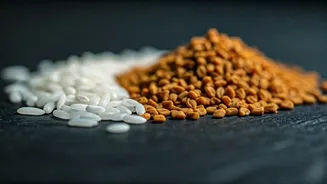
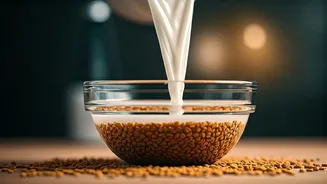
Ready to try this powerful combination? Here’s a simple method to get started. You'll need about half a cup of uncooked rice and two tablespoons of fenugreek seeds. First, rinse the rice to remove impurities. Then, place the rinsed rice and the fenugreek seeds in a clean jar with about two to three cups of water. You can let this mixture soak overnight. The next day, strain the liquid into a clean spray bottle or jar. Your hair rinse is now ready to use. After shampooing, pour or spray the mixture evenly over your hair and scalp. Gently massage it in and let it sit for about 20 minutes before rinsing thoroughly with warm water.
Managing Expectations and Words of Caution
While many people report positive results, it's important to have realistic expectations. These are not miracle growth solutions but rather nourishing treatments that can improve the health and condition of your existing hair and scalp over time. Consistency is key, with most users reporting noticeable changes after several weeks of regular use. Always perform a patch test before applying any new mixture to your entire scalp to check for sensitivity. This is especially important if you have known allergies to legumes like peanuts or chickpeas, as fenugreek is in the same family. Also, be mindful not to overuse these treatments; once a week is a good starting point, as daily use of rice water can lead to dryness and buildup.