


Decoding the UK-India Trade Pact
The much-anticipated India-UK Free Trade Agreement (FTA), set to take effect from July 15, 2026, is a comprehensive deal designed to boost economic ties between the two nations. [8, 9] For automotive enthusiasts, the most exciting part is the structured
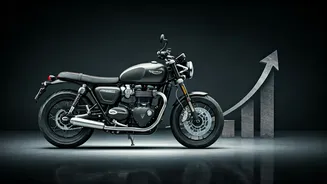
reduction of import duties. [9] Historically, tariffs on imported motorcycles and cars from the UK could soar over 100%, making them a luxury for a select few. [6, 14] Under the new quota-based system, these tariffs are set to drop dramatically, eventually falling to as low as 10% over a five-year period. [9, 15] In the first year alone, duties on larger engine vehicles will plummet, making UK-built machines significantly more competitive in the Indian market. [9, 14]
A New British Invasion on Two Wheels
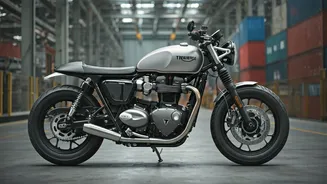
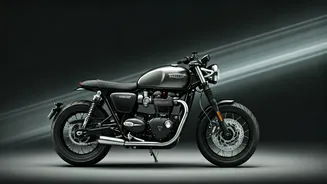
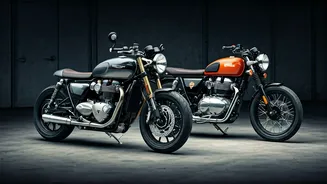
This trade deal is a game-changer for iconic British brands like Triumph, Norton, and BSA. [14] Norton Motorcycles, now owned by India's TVS Motor Company, has explicitly timed its ambitious India launch for mid-2026 to leverage the FTA. [2] The brand plans to launch its new Manx and Atlas models, with the deal making it viable to import high-capacity models like the V4CR and Commando 961 from the UK at more attractive prices. [2, 3, 5, 6] Similarly, while Triumph already has a strong manufacturing presence in India through its partnership with Bajaj, the FTA will make it cheaper to import its limited-edition, UK-built models, adding more variety for discerning customers. [12] The drastic price corrections will bring these aspirational motorcycles within reach of a much larger audience.
More Than Imports: A 'Make in India' Boost
The pact isn't just about making imports cheaper; it's also a catalyst for local manufacturing. The Triumph-Bajaj partnership is a prime example of this strategy's success. By co-developing and producing the 400cc series in India, Triumph has sold over 100,000 units in roughly two and a half years, transforming from a niche player into a market leader. [7, 16] The FTA encourages this model. TVS-owned Norton is also set to produce certain models like the Atlas at TVS's Hosur facility, while developing a new sub-500cc platform specifically for India. [2, 6] This dual approach—importing high-end models while manufacturing mid-capacity bikes locally—allows brands to cover all price points and deepen their market penetration. [4]
How Will Indian Champions Respond?
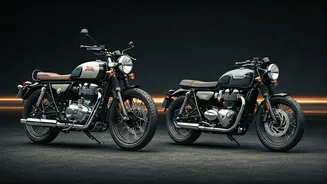
The influx of newly affordable British competition will undoubtedly heat things up for domestic giant Royal Enfield. While Royal Enfield has a storied British heritage, it is now a proud Indian company that dominates the mid-size segment. [21] The FTA, however, works both ways; it also eases access for Indian-made motorcycles into the UK market. [10] This could provide a significant boost for Royal Enfield's global ambitions, as well as for TVS and Bajaj, who manufacture bikes in India for export to the UK. [10] The increased competition at home will likely push Royal Enfield to accelerate innovation and strengthen its premium offerings to defend its turf against the revitalised British marques.
The Ultimate Winner: The Indian Rider
Ultimately, the biggest beneficiary of this trade agreement is the Indian motorcycle enthusiast. The immediate impact will be on the price tag, with significant reductions expected on sought-after British bikes. [12] This financial barrier being lowered is coupled with an expansion of choice, as brands are now incentivised to bring a wider portfolio of models to India. [5] Furthermore, as companies deepen their commitments to the Indian market through local manufacturing and expanded dealership networks, customers can expect better service, easier access to parts, and a more robust community and support ecosystem. [7, 17] The road ahead looks exciting, with more power, more choice, and better prices for riders across the country.