


The Goal: A Managed Float
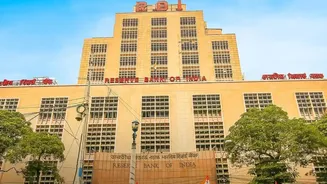
India follows a 'managed floating exchange rate' system. This means that while market forces of supply and demand are the primary drivers of the rupee's value, the RBI steps in to prevent extreme swings. Its goal is not to fix the rupee at a specific
level but to curb excessive volatility, maintain investor confidence, and ensure economic stability. A wildly fluctuating currency can create uncertainty for importers and exporters, fuel inflation, and spook foreign investors, so the RBI's role is to act as a stabilizing force.
Direct Intervention: The Visible Hand
The most direct tool the RBI uses is intervention in the foreign exchange market. When the rupee is weakening rapidly, the RBI sells US dollars from its vast foreign exchange reserves and buys rupees. This increases the supply of dollars and demand for rupees, helping to cushion the fall. Conversely, if the rupee is appreciating too quickly, which can harm exporters, the RBI buys dollars and sells rupees. These actions are more than just mechanical; they send a powerful signal to the market about the central bank's comfort level and its resolve to prevent disorderly movements.
Interest Rates: The Power of Attraction
Monetary policy, especially changes to the key repo rate, has a significant, if indirect, influence on the currency. When the RBI raises interest rates, it can make Indian debt instruments more attractive to foreign investors seeking higher returns. This 'carry trade' can lead to an inflow of foreign capital, increasing demand for the rupee and strengthening it. A rate cut can have the opposite effect, potentially leading to capital outflows. Therefore, the RBI's decisions on interest rates, primarily aimed at controlling inflation, are closely watched by forex traders as an indicator of future capital flows and currency direction.
Liquidity Management: The Unseen Levers
Beyond direct intervention and rates, the RBI uses several tools to manage the amount of money (liquidity) in the banking system. These include currency swaps, forward contracts, and changing the Cash Reserve Ratio (CRR). For instance, by using a 'sell-buy swap', the RBI can sell dollars to banks with an agreement to buy them back later, temporarily absorbing rupee liquidity. These actions might seem technical, but they affect the availability of rupees in the system, which in turn influences the exchange rate. Recent measures in October 2026, for example, included creating a special dollar window for oil companies to reduce their demand in the open market, directly easing pressure on the rupee.
Jawboning: The Art of Communication
Sometimes, the RBI's most powerful tool is its voice. 'Jawboning' is the term for when central bank officials use speeches, policy statements, and press conferences to guide market expectations without taking any concrete action. Statements from the RBI Governor or published minutes from policy meetings are scrutinised by analysts for clues about the bank’s future intentions. By signaling its assessment of the economy or its discomfort with currency volatility, the RBI can influence traders' behaviour. This forward guidance can be enough to calm markets or deter speculative bets, demonstrating that in the world of finance, words can be as powerful as actions.