






The Sneaky Dehydration of Colder Months
When the temperature drops, reaching for a glass of water might be the last thing on your mind. You aren't sweating profusely, so you must be fine, right? Not exactly. Winter dehydration is a subtle but significant issue. Cold air is typically drier,
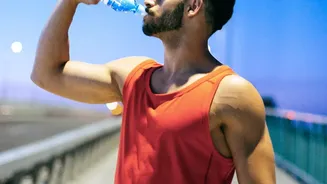
and when we breathe it in, our bodies must use their own moisture to humidify it. This process leads to significant respiratory water loss—every visible puff of breath in the cold is water leaving your body. Furthermore, cold weather can blunt your body's thirst response by up to 40%. When you're cold, blood vessels constrict to conserve heat, shunting blood toward your core. This can trick your brain into thinking you're adequately hydrated, reducing the urge to drink even when you need fluids. Add in dry indoor heating, which also saps moisture from the air and your skin, and you have a perfect storm for low-grade dehydration.
Summer Heat and Obvious Fluid Loss
In contrast to winter's subtleties, summer hydration is much more straightforward: when it's hot, you sweat. Perspiration is the body's primary cooling mechanism, but it comes at the cost of both water and essential minerals called electrolytes. The more you sweat, the more you need to drink to replenish those lost fluids. High humidity makes this even more challenging, as sweat evaporates less efficiently from your skin, causing your body to work harder and sweat more to cool down. Ignoring hydration in the heat can quickly impair cognitive function and physical performance. Even mild fluid loss of just 1-2% of your body weight can lead to fatigue and reduced endurance. This is why listening to your body's thirst signals is crucial in warmer months, as they are a more reliable indicator than in the cold.
Fueling Your Fitness: Workouts Matter
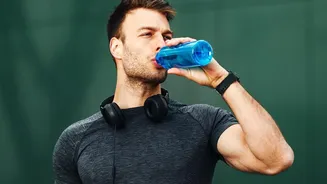
Your hydration strategy must adapt to the intensity and duration of your exercise. For a low-intensity workout like a gentle yoga class or a 30-minute walk, sipping water when you feel thirsty is generally sufficient. However, for moderate to high-intensity activities lasting longer than an hour, a more structured approach is needed. Experts recommend drinking about 500-600 ml of fluid two hours before your workout, then sipping 200-300 ml every 15-20 minutes during the activity. Post-workout, the goal is to replace what you've lost. A good guideline is to drink 500-700 ml of fluid for every pound of body weight lost through sweat. Keeping an eye on your urine color can be a simple gauge; a pale, lemonade-like yellow suggests you're well-hydrated, while a darker, amber color is a clear sign you need to drink more.
Beyond Water: The Role of Electrolytes
While water is the star of hydration, electrolytes are the essential supporting cast. These minerals—including sodium, potassium, and magnesium—help regulate nerve function, muscle contractions, and fluid balance in your cells. When you sweat, you lose these vital minerals along with water. For most casual exercisers, a balanced diet provides enough electrolytes to cover losses. However, during long or particularly intense workouts (over an hour), especially in the heat, plain water may not be enough. This is when sports drinks or electrolyte powders can be beneficial. They help replenish sodium, which is critical for preventing a dangerous condition called hyponatremia (overhydration), where the body's salt levels become dangerously diluted from drinking too much water.
Listen to Your Body's Signals
Ultimately, the best hydration plan is one that's personalized to you. Pay attention to the signs of dehydration, which include feeling thirsty, having a dry mouth, fatigue, headache, or dark-colored urine. It's also important not to overdo it. Though less common, overhydration is a real risk, especially for endurance athletes. Symptoms can surprisingly mimic dehydration and include nausea, headache, and confusion. The key is to find a balance. Instead of adhering to a rigid, one-size-fits-all rule, learn to interpret your body's unique signals. Adjust your fluid intake based on the weather, your activity level, and your own sense of thirst. Your body is an intelligent system, and learning its language is the most scientific approach of all.