

The New Wardrobe Hero
The jacket, in its many forms—the bomber, the blazer, the denim classic, the kimono style—has long been a staple of modern, global dressing. It’s a symbol of effortless style, functionality, and a certain urban edge. But in the hands of a new generation
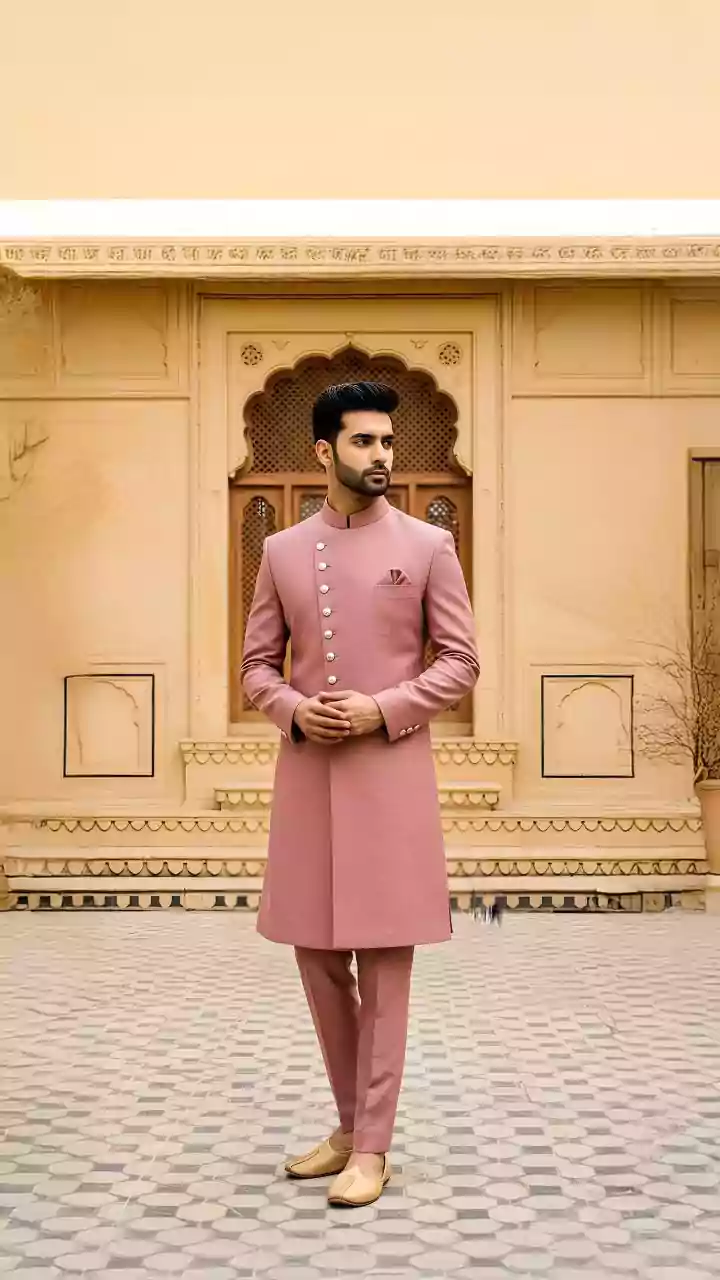
of Indian designers and artisans, this Western silhouette is being beautifully reclaimed and redefined. It’s no longer just a layer for warmth or a style accessory; it’s becoming a storytelling device, a piece of wearable art that connects centuries of craft with the pulse of contemporary life. This fusion isn’t about simply sticking old patterns on new clothes. It’s a thoughtful dialogue between form and fabric, cut and craft.
A Stitch in Time: The Crafts Making a Comeback
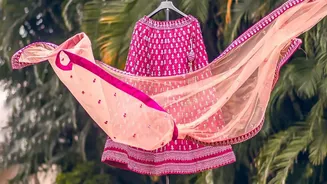
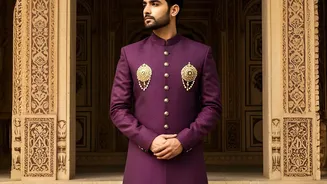
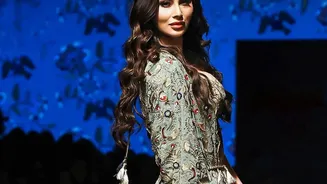
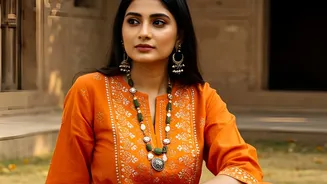
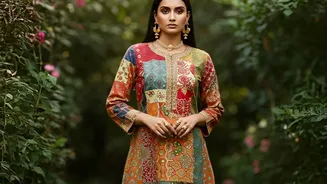
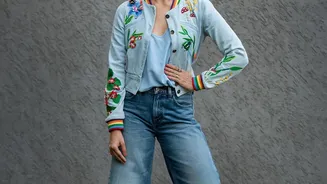
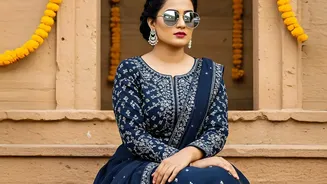
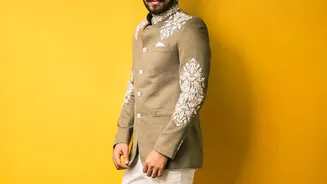
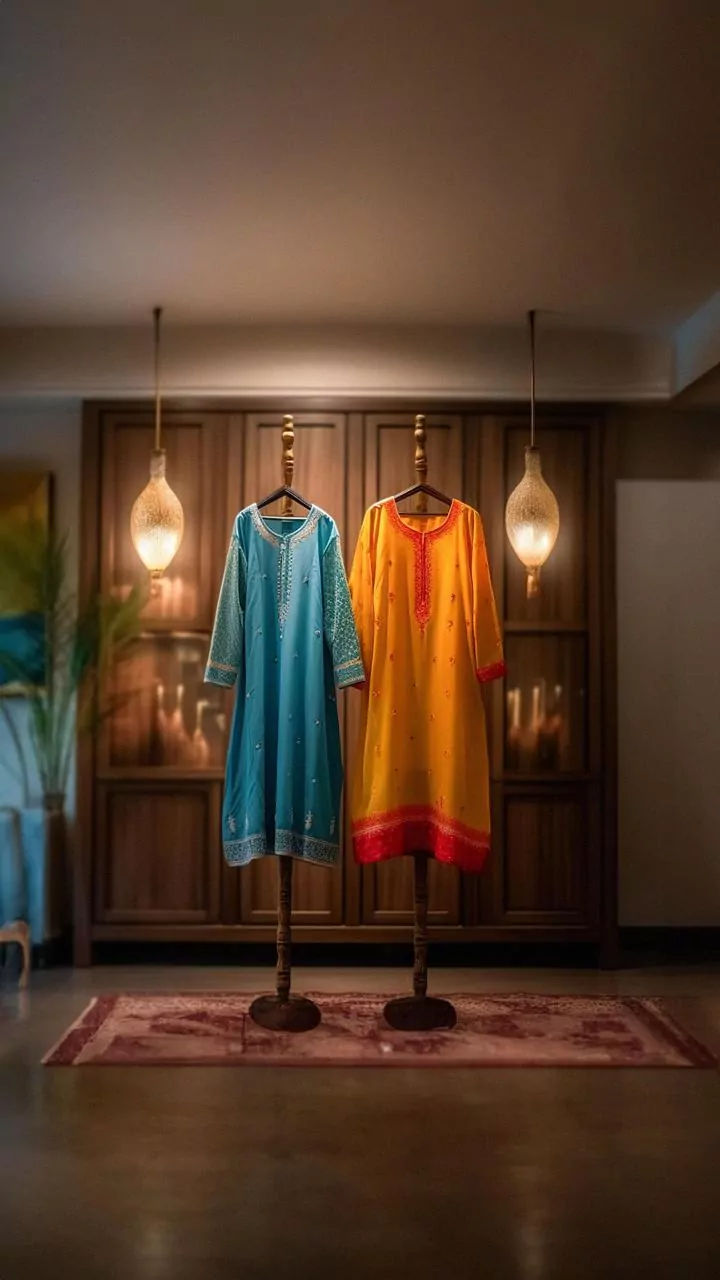
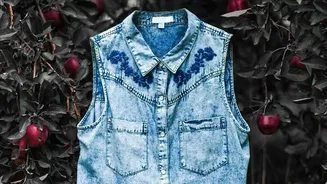
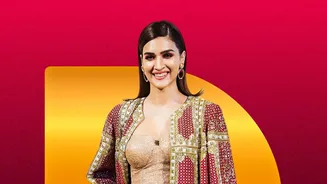
The sheer diversity of India's embroidery traditions provides an endless well of inspiration. Phulkari, the vibrant 'flower work' of Punjab, once reserved for wedding trousseaus, now bursts with colour on bomber jackets and long coats. The delicate white-on-white shadow work of Chikankari from Lucknow, known for its breezy elegance, now lends a touch of grace to structured blazers and light summer jackets. Meanwhile, the royal, metallic grandeur of Zardozi, an embroidery form that uses gold and silver threads and once adorned Mughal-era garments, is giving cocktail blazers an opulent, festive edge. Even the humble Kantha, a running stitch traditionally used by Bengali women to quilt old saris, is finding new life, adding texture and a narrative of sustainability to upcycled denim and cotton jackets.
More Than Just a Trend
Why is this happening now? The movement is driven by a deeper cultural shift. As global fashion grapples with the impact of fast fashion, there's a growing desire for authenticity and sustainability. Consumers, particularly younger ones, are seeking pieces with meaning and longevity. An embroidered jacket isn't just a disposable trend; it's an investment in craftsmanship that supports artisan communities and keeps ancient skills alive. It’s a conscious choice to wear something that tells a story, that has been touched by human hands, and that carries the weight of a rich cultural legacy. This movement empowers artisans and connects consumers to the process behind the product, turning a simple purchase into a statement of values.
How to Style the Heritage Jacket
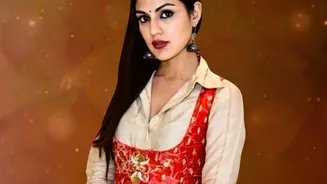
The beauty of these jackets lies in their versatility. They effortlessly bridge the gap between ethnic and Western wear. Throw a Phulkari-embroidered jacket over a simple white t-shirt and jeans for a vibrant, casual look. Pair a Zardozi blazer with a cocktail saree or tailored trousers for a contemporary take on festive dressing. A reversible Kantha or Ajrakh kimono jacket can be worn over a dress for a bohemian-chic vibe or paired with formal wear for a unique layered look. These pieces are not meant to be saved for special occasions. They are designed to be integrated into our everyday lives, allowing us to carry a piece of our heritage with style and confidence. The key is to let the jacket be the hero of the outfit, keeping the rest of the ensemble relatively simple to allow the intricate craftsmanship to shine.