




The Allure of the West Norwegian Fjords
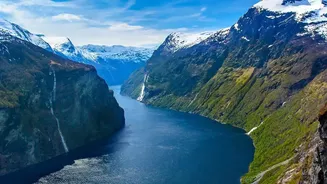
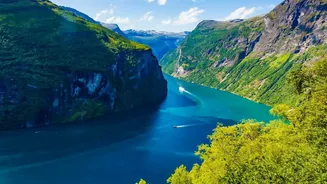
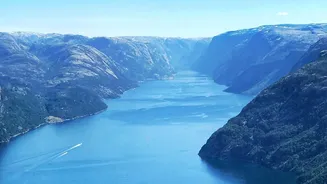
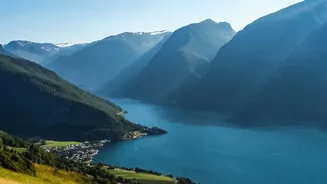
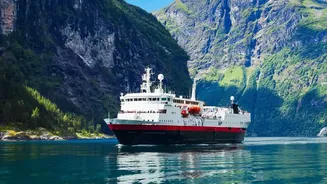
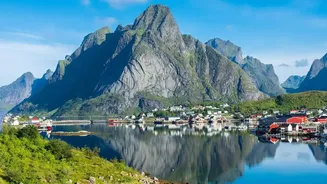
The West Norwegian Fjords, including Geirangerfjord and Nærøyfjord, are considered among the most scenically outstanding fjord landscapes in the world. Their exceptional beauty comes from narrow, steep-sided rock walls that soar up to 1,400 metres from the Norwegian Sea
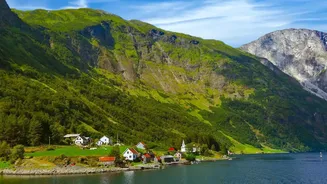
and extend 500 metres below sea level. These majestic cliffs are laced with countless waterfalls, while pristine rivers meander through forests to glacial lakes. It’s a landscape that has remained largely untouched by modern life, offering a glimpse into a raw and powerful version of nature. Inscribed on the UNESCO World Heritage list in 2005, these fjords are not just geological marvels but also living cultural landscapes, dotted with small, historic farms that cling to the mountainsides.
Geirangerfjord: A Masterpiece of Water and Rock
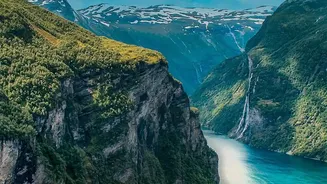
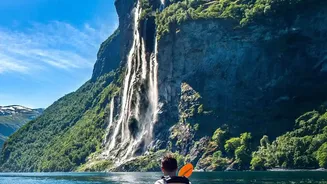
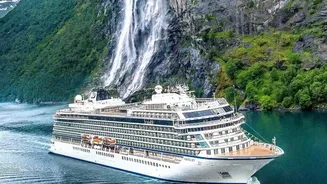
Often called the 'jewel in the crown' of the Norwegian fjords, the 15-kilometre-long Geirangerfjord is known for its dramatic and concentrated beauty. Its most famous residents are its waterfalls. The Seven Sisters, a collection of seven distinct streams, cascade down one side of the fjord, while directly opposite, 'The Suitor' waterfall attempts to woo them from across the water. Nearby, 'The Bridal Veil' drapes a delicate mist over the rocks. The fjord is surrounded by towering peaks, some reaching over 1,600 metres, and high-altitude viewpoints like the Geiranger Skywalk on Dalsnibba (1,500 metres) offer breathtaking panoramic views that make the fjord look like a thin blue ribbon below. The area also features abandoned mountain farms like Skageflå and Knivsflå, which tell the story of a resilient past and can be visited by hike or seen from the water.
Nærøyfjord: Narrow, Wild, and Intimate
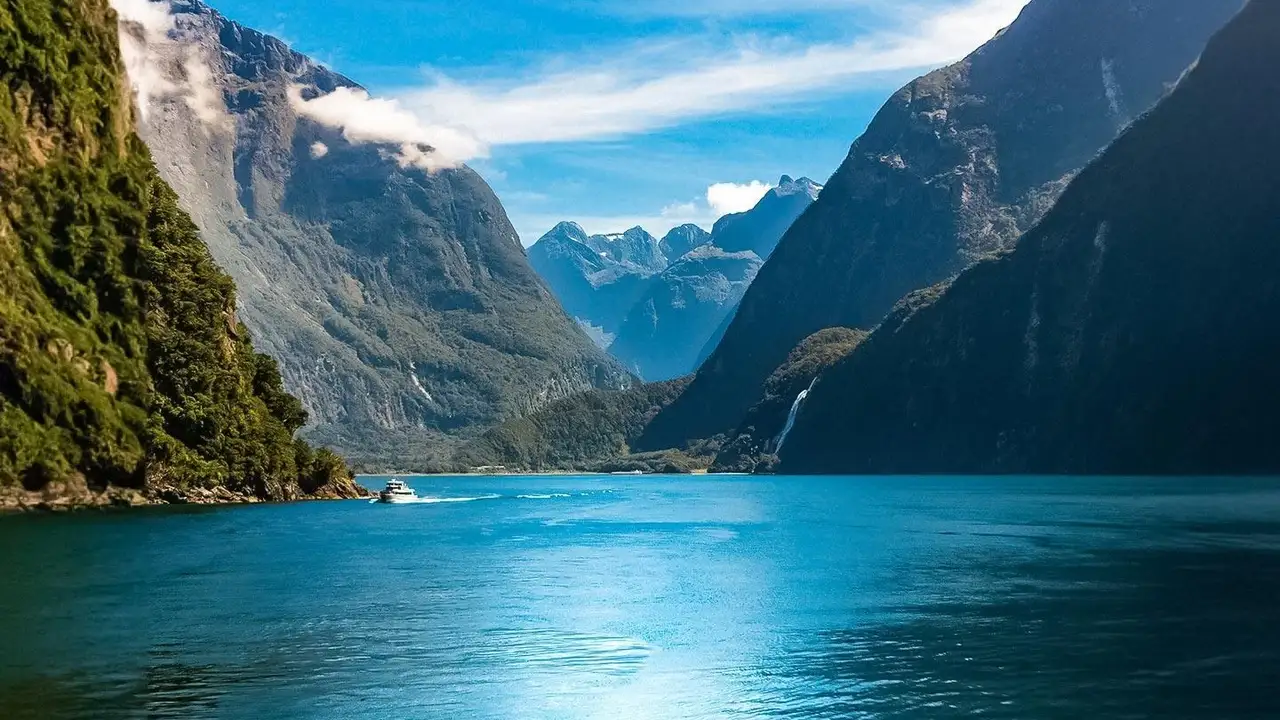
While Geirangerfjord is known for its dramatic set-pieces, the Nærøyfjord offers a different, more intimate experience. As a branch of the larger Sognefjord, this 19-kilometre-long fjord is famous for being one of the narrowest in the world, measuring just 250 metres across at its tightest point. Sailing through it feels like journeying through a canyon, with sheer cliffs rising almost 1,800 metres vertically from the water. This closeness creates a serene and almost silent atmosphere, especially when experienced from an electric ferry. The landscape is wild and rich in contrasts, with powerful waterfalls crashing into the calm water below. Like Geirangerfjord, it's a living landscape, with small, roadless farms and hamlets that showcase the fjord's historical importance as a vital transport route.
How to Experience These Natural Wonders
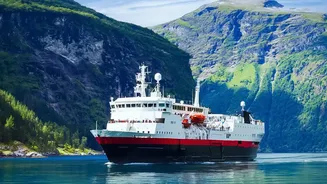
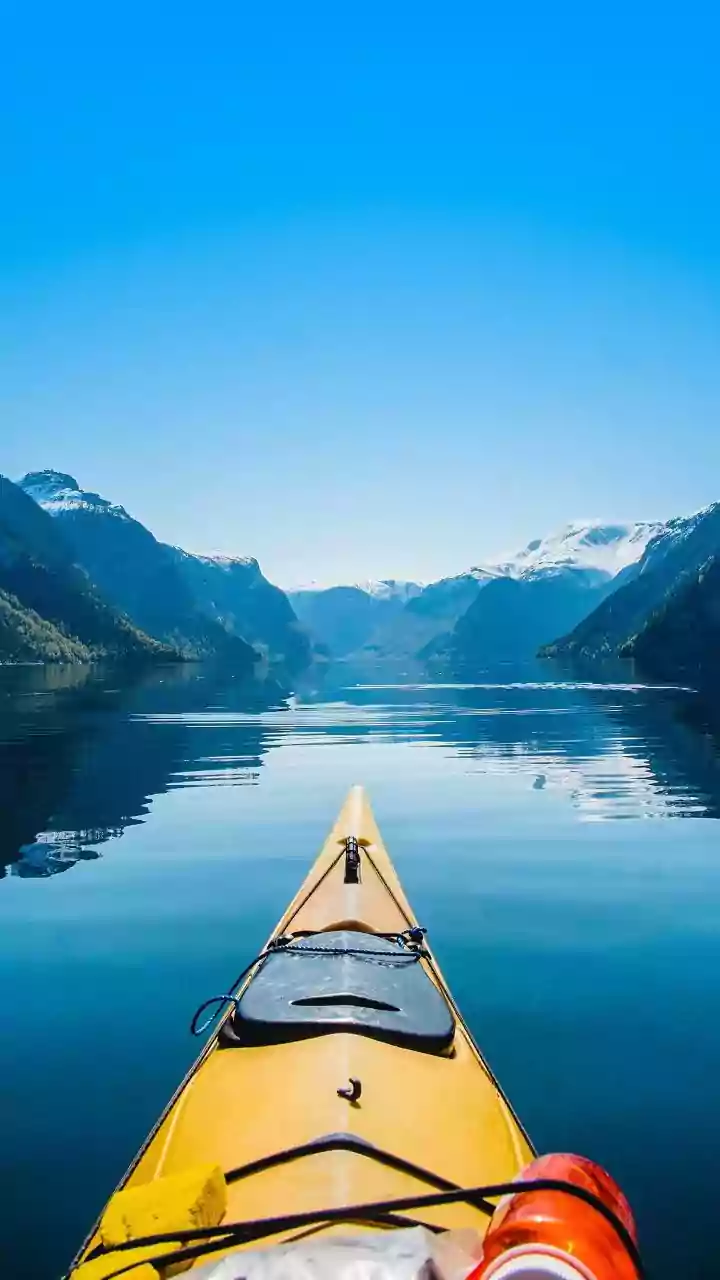
A fjord cruise is the classic way to witness the majesty of both Geirangerfjord and Nærøyfjord. Companies offer a range of options, from large car ferries to smaller sightseeing boats and high-speed RIBs that get you close to the waterfall spray. For a more active approach, kayaking provides a peaceful, water-level perspective of the towering cliffs. Hiking is another popular activity, with trails for all skill levels. In Geiranger, you can hike to the Storseterfossen waterfall, which you can actually walk behind, or take on a more challenging trek to an abandoned farm like Skageflå. Near Nærøyfjord, the steep Rimstigen trail offers incredible views from above the narrow passage. For panoramic vistas without the effort, scenic drives along routes like the Eagle Road (Ørnesvingen) near Geiranger provide stunning overlooks.
Planning Your Fjords Adventure
The best time to visit the Norwegian fjords is during the summer months, from June to August, when the weather is mildest, the days are long, and all roads and hiking trails are typically open. However, visiting in May or September can mean fewer crowds. Geirangerfjord is most easily accessed from the coastal city of Ålesund, while Nærøyfjord is a popular day trip from Bergen, often combined with the famous Flåm Railway. Many tours offer combined train and boat packages. While it's possible to see one of these fjords on a day trip, staying overnight in a village like Geiranger or Flåm allows you to experience the magical tranquility of the fjords in the evening and early morning, after the day-trippers have departed.