



From Elite Service to Everyday Scroll
Traditionally, a personal stylist was an exclusive, high-cost service for the wealthy and famous. [14] They curated wardrobes, prepped clients for red carpets, and dictated trends from the top down. Today, that model has been completely disrupted. [8]
The new generation of stylists are content creators who offer fashion advice that feels personal, accessible, and is available 24/7 on social media. [10, 15] A study of Indian consumers aged 18-35 confirmed a strong link between a creator's credibility, the emotional connection they build, and their followers' intention to purchase. [2, 4] This has democratised style advice, turning it from a luxury service into a daily conversation that anyone can join. [15]
The New Style Ecosystem: How It Works
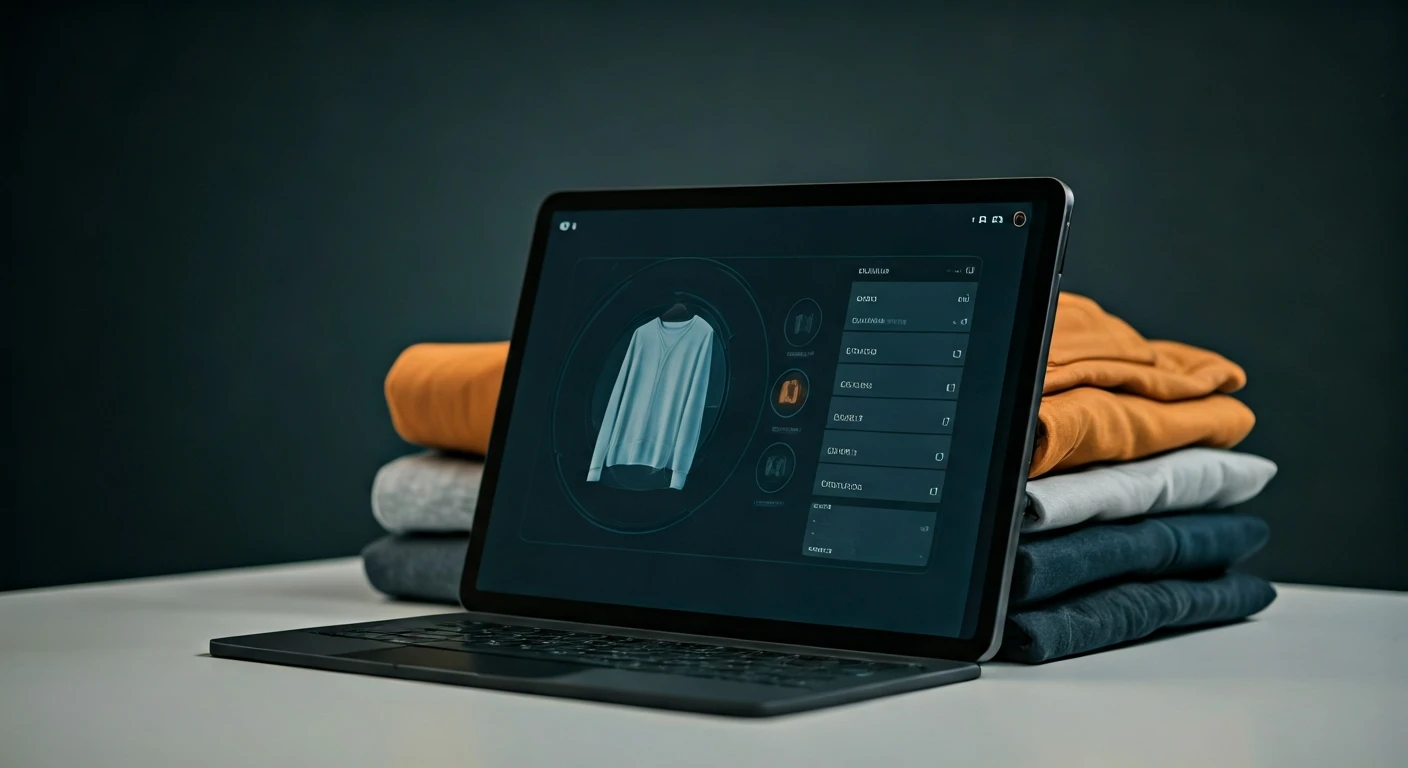
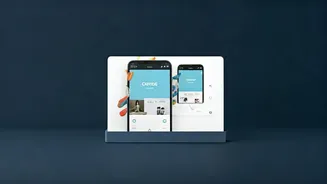
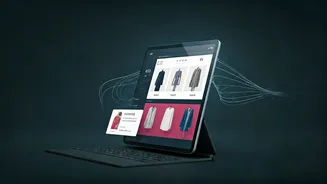
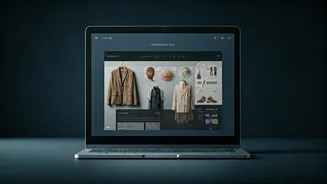
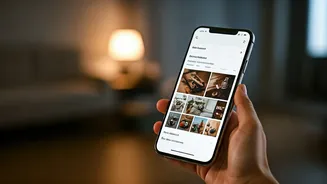
This new styling ecosystem runs on a concept called social commerce, which blends social media directly with e-commerce, allowing you to buy products without ever leaving the app. [3, 11] Creators use a variety of formats like 'Get Ready With Me' videos, curated lookbooks, and shopping hauls to showcase outfits. [8] They then use platforms like LTK (formerly LikeToKnow.it) and ShopMy to generate shoppable links for every item they feature. [7, 18] When a follower clicks a link and makes a purchase, the creator earns a commission. This seamless process—from discovery on a Reel to checkout in a few taps—has turned content creators into powerful engines for retail, essentially acting as a direct-to-consumer sales force for brands. [6, 13]
The Power of the Niche
Unlike traditional fashion magazines that often promoted a single, narrow standard of beauty, creators cater to hyper-specific niches. [5, 28] Whether you're looking for sustainable fashion, plus-size workwear, petite-friendly ethnic wear, or budget-friendly styles in India, there is a creator for you. [19] These influencers have built trust by being relatable and authentic, creating a sense of a parasocial relationship with their followers. [2] This allows them to act as cultural intermediaries, blending global trends with local tastes in a way mainstream media rarely could. [19] By representing diverse body types, skin tones, and budgets, they've made fashion more inclusive and helped countless people feel seen and confident. [5, 24]
Is It Styling or Just Smart Selling?
While creators offer valuable inspiration, it's crucial to distinguish their role from that of a traditional stylist. [27] A professional stylist's primary focus is the client—their body type, lifestyle, and long-term satisfaction. An influencer, on the other hand, is a content creator whose business often relies on driving clicks and sales through brand partnerships and affiliate links. [27] Their recommendations, while potentially genuine, are part of a business model. [16] Some creators are even launching direct personal styling services, offering one-on-one consultations and creating digital lookbooks for a fee, blurring the lines further. [14, 22] This commercial layer doesn't negate their influence, but it does mean their advice is often a mix of personal taste and sponsored promotion.
The Future is Personalised and AI-Powered
The trend of creator-led styling is only set to grow, amplified by new technology. Creators are now considered entrepreneurs and CEOs of their own brands, building entire businesses around their communities. [30, 31] Some are even experimenting with AI tools to offer personalised style suggestions at scale, or using virtual influencers to showcase digital-only garments. [17, 20] As the creator economy matures, the distinction between content and commerce will continue to fade. [29] Brands, in turn, are investing heavily in creator-led campaigns, recognising that authentic, relatable recommendations are far more powerful than traditional advertising. [9, 12] This signals a permanent shift in the fashion industry, where influence is built not in a boardroom, but in the DMs and comment sections of social media.