







An Ancient Ritual Goes Viral
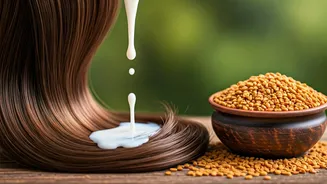
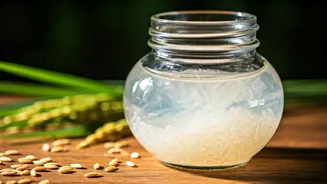
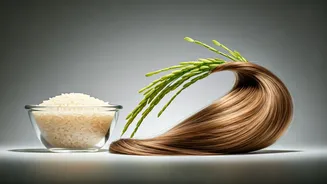
The practice of using rice water for hair isn't new. For centuries, it has been a beauty staple in many parts of Asia. Most famously, the Yao women from the village of Huangluo in China are renowned for their exceptionally long, dark, and healthy hair,
which they attribute to a daily ritual of washing it in fermented rice water. This tradition, passed down through generations, has gained global attention online, with countless testimonials praising its ability to transform hair. The historical evidence is compelling; these women often maintain their hair colour well into old age and are even featured in the Guinness Book of World Records. The logic is that what worked for them for centuries must have some merit, prompting millions to try the DIY treatment at home.
The Science Behind the Shine
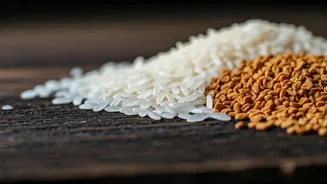
There is some science to back up the anecdotal claims. Rice water is rich in nutrients, including amino acids, B vitamins, vitamin E, and minerals. More importantly, it contains inositol, a carbohydrate that can penetrate damaged hair and repair it from the inside out. The fermentation process, favoured by the Yao women, enhances these benefits by increasing the concentration of antioxidants and lowering the pH of the water. An acidic rinse helps to flatten and close the hair's cuticle, which results in smoother, shinier strands that are less prone to tangles and friction. So, when people report stronger, glossier hair, it's not just their imagination; there are tangible reasons why rice water can improve hair's appearance and health.
The Risk of Protein Overload
Here's where the story gets complicated. Rice water contains a notable amount of protein. While protein is essential for strengthening hair, an excess of it can lead to a condition known as 'protein overload'. This is especially a risk for certain hair types. The signs of protein overload are paradoxical; instead of becoming stronger, the hair becomes stiff, brittle, and straw-like. It may feel dry and rough, lose its natural elasticity, and become more prone to breakage—the very problems you were trying to solve. Your hair may also look dull and tangle easily. This happens because the excess protein molecules create a rigid coating on the hair shaft, preventing it from absorbing moisture properly.
Why Hair Porosity Is Key
Whether rice water will be your holy grail or a brittle nightmare largely depends on your hair's porosity. Porosity refers to your hair's ability to absorb and retain moisture, which is determined by the structure of its outer layer, the cuticle. Low-porosity hair has a tightly sealed cuticle, making it resistant to absorbing moisture and also prone to protein buildup because treatments tend to sit on the surface. For this hair type, heavy protein treatments like rice water can quickly lead to overload. Conversely, high-porosity hair has a more open cuticle, often due to damage from heat or chemical treatments. It absorbs moisture easily but also loses it just as fast. This hair type often craves the protein in rice water to help fill the gaps in the cuticle and strengthen the strand.
Building a Truly Holistic Routine
Ultimately, healthy hair is an inside-out job that no single product can accomplish alone. True hair health is holistic. It starts with a nutrient-rich diet full of proteins, vitamins, and minerals like iron and zinc. Managing stress is also crucial, as high cortisol levels can disrupt the hair growth cycle. Beyond diet, a healthy scalp is the foundation for healthy hair. This means regular cleansing, gentle massages to improve circulation, and avoiding harsh chemicals that disrupt the scalp's natural microbiome. Factors like getting enough sleep and protecting your hair from heat and environmental damage also play a significant role. Rice water can be a beneficial part of a hair care routine, but it should be seen as a supplement, not the entire solution.