




A Journey Beyond Butter Chicken
The era of a monolithic “Indian cuisine” is fading, making way for a more nuanced and authentic approach. Diners are no longer satisfied with a standardized menu that ignores the country's immense culinary diversity. In response, a new generation of chefs
has taken on the role of culinary explorers, digging deep into the gastronomic traditions of their own backyards. They are moving away from the rich, cream-based gravies that once dominated fine dining and are instead building menus around hyperlocal ingredients that tell a story of a specific place. This shift is about more than just food; it’s a cultural rediscovery. Restaurants are becoming showcases for regional pride, celebrating the unique flavours that define communities from the mountains of Himachal to the coastlines of Kerala. This movement honors the complexity of Indian food, where every state—and sometimes every village—has its own distinct spice blends and cooking techniques.
The Hyper-Local Heroes
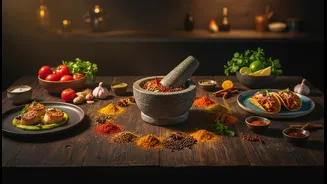
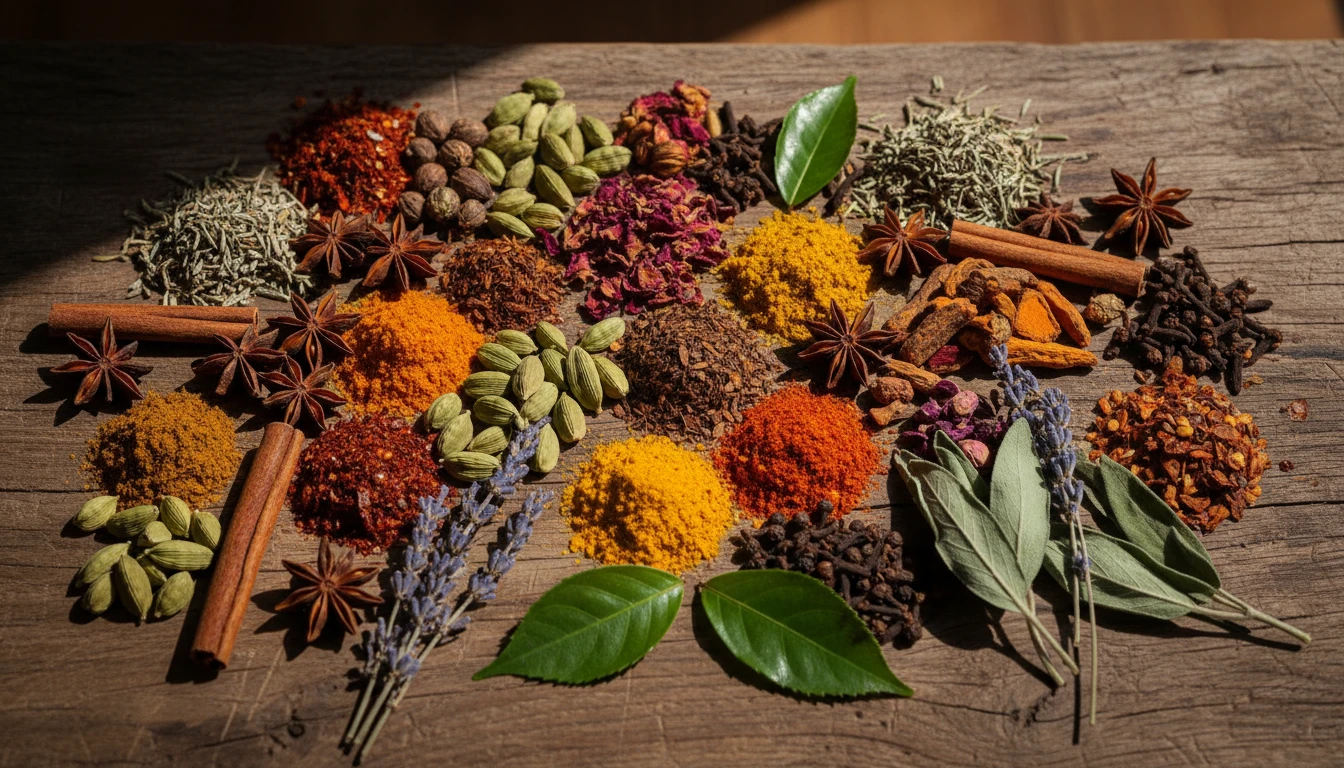
At the heart of this trend are unique regional seasonings, many of which were once confined to home kitchens. Take the Gondhoraj Lebu from Bengal, the undisputed 'king of limes'. Prized for its intoxicating floral aroma rather than its juice, it’s now being used to elevate everything from gin and tonics to delicate fish curries, lending a fragrant sophistication that no other citrus can match. From the Northeast comes the formidable Bhut Jolokia, or ghost pepper. Far from being a one-note spice bomb, chefs are harnessing its subtle smoky and fruity undertones to add a complex heat to grilled meats and even desserts. Then there are subtler players like Kalpasi, or stone flower, a lichen from Chettinad and Maharashtrian kitchens that imparts a mysterious, earthy flavour to slow-cooked dishes and spice blends like Goda Masala. And from Karnataka, Marathi Moggu, the dried bud of the Kapok tree, brings a woody, peppery profile essential for authentic Bisi Bele Bath.
Pride, Purity, and Provenance
This embrace of regional seasonings is driven by a deeper philosophy. For many chefs, it's a conscious decision to champion sustainability by sourcing ingredients from local farmers and foragers, thereby reducing food miles and supporting community economies. This focus on provenance allows restaurants like The Bombay Canteen in Mumbai and Naar in Himachal Pradesh to build their menus around what is fresh, seasonal, and distinctly regional. By highlighting these ingredients, chefs are preserving India’s rich biodiversity and reviving forgotten flavours. This isn't just about creating new dishes; it's about crafting a narrative. When a chef uses an ingredient sourced from a nearby forest or a specific coastal village, they are serving a piece of that region's identity on the plate, offering diners a taste experience that is both authentic and deeply personal.
The Innovators Leading the Charge
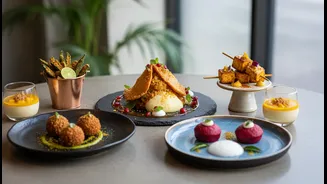
This culinary renaissance is being led by visionary chefs across the country. At Mumbai's Ekaa, Chef Niyati Rao crafts dishes that are a testament to India's diverse produce, using ingredients like Naga pepper to create bold, unforgettable flavours. At Masque, also in Mumbai, Chef Varun Totlani and his team operate a research lab dedicated to exploring and innovating with indigenous ingredients, turning prickly pears into sorbets and reimagining familiar snacks with modern techniques. The late Chef Floyd Cardoz was a pioneer in this space, championing regional Maharashtrian and Goan ingredients long before it was a trend. These chefs, and many others like them, are not just cooking; they are curating experiences. They are challenging outdated perceptions of Indian food and proving that modernity and tradition can coexist beautifully on the same menu, creating a dynamic and exciting future for the country's cuisine.