
Drainage Is Everything
The single most important factor in surviving the rainy season is drainage. Before the heavy rains begin, inspect every pot. Ensure drainage holes are present and clear of any blockages. Over time, soil and roots can clog these vital escape routes. If
water takes a long time to drain after watering, it's a red flag. For extra protection, elevate your pots. Placing them on pot feet, bricks, or simple stands creates a gap between the pot and the floor. This simple step prevents pots from sitting in puddles and allows excess water to drain away freely, which is crucial for root health. Also, avoid using saucers that collect water; if you must use them, be diligent about emptying them immediately after a shower to prevent mosquito breeding and root rot.
Choose the Right Soil Mix
Heavy garden soil can become a dense, soggy mess in a container. For balcony pots, use a light, well-draining potting mix. These mixes often contain ingredients like coco peat, perlite, or coarse sand, which create air pockets and help water move through the soil instead of compacting it. If your plants are already potted in dense soil, you can gently loosen the top layer to improve aeration. For plants that are particularly sensitive to overwatering, consider repotting them into a better mix before the monsoon peaks. A good soil structure is your first line of defence against waterlogging from within the pot itself.
Provide Shelter from the Storm
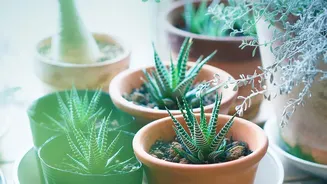
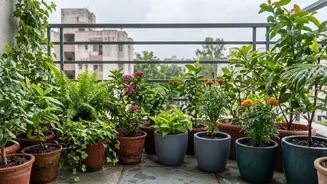
Not all plants enjoy a direct deluge. Delicate species, succulents, and cacti are particularly vulnerable to heavy rainfall. If possible, move these sensitive plants to a more sheltered part of your balcony, such as under an overhang or against a wall, where they can avoid the full force of a downpour. For larger, immovable pots, you can create temporary covers using waterproof sheets or even an umbrella during the most intense storms. Grouping plants together can also offer some mutual protection and help prevent soil erosion from the pots.
Adjust Your Watering Routine
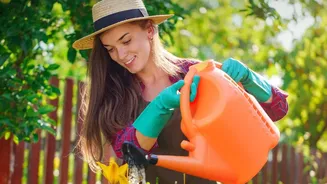
This may seem obvious, but it's a common mistake: do not stick to your summer watering schedule. The rain and high humidity mean your plants need far less manual watering. Before you even think about picking up a watering can, use the finger test. Stick your finger about two inches into the soil; if it feels moist, wait. Overwatering is the leading cause of plant death during the monsoon, and the signs—wilting and yellowing leaves—can confusingly mimic those of an underwatered plant. Trust the soil, not the schedule.
Watch for Pests and Disease
High humidity creates a perfect breeding ground for fungal diseases and pests. Regularly inspect the leaves and stems of your plants for signs of trouble like powdery mildew, black spots, or infestations from mealybugs and aphids. Good air circulation can help, so avoid overcrowding your plants. Pruning dead or yellowing leaves will also improve airflow and reduce the risk of infection spreading. A preventative spray of organic neem oil solution can be a great way to keep many common pests and fungal issues at bay.
Post-Rain Recovery and Care
After a particularly heavy storm, take a walk around your balcony garden. Check for any physical damage from wind or rain and prune broken stems or leaves. Heavy rains can also wash away nutrients from the soil. It's wise to avoid heavy fertilising during the peak monsoon, as plants may absorb nutrients less efficiently. However, once the rains subside a bit, you can replenish lost nutrients by adding a thin layer of fresh compost to the topsoil. This will help your plants recover and push out new, healthy growth.