


The Art of Going Vertical
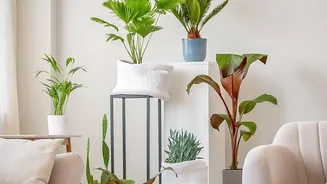
In compact homes and apartments, every square foot of floor space is precious. Hanging planters allow you to bypass this limitation by utilizing vertical space that often goes ignored. By drawing the eye upward, you create a sense of height and openness,
making a room feel more expansive. This approach not only frees up floors and surfaces but also adds layers and dimension to your decor. The cascading foliage introduces movement and a touch of natural elegance, turning empty corners or bare walls into lush, living features. Furthermore, placing plants at different heights can improve air circulation and quality throughout the room.
Picking the Perfect Planter
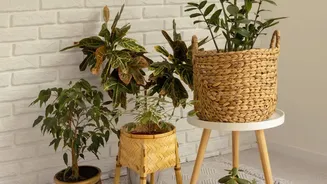
The planter you choose is as important as the plant itself. Materials range from classic ceramic and terracotta to modern metal, lightweight plastic, and bohemian-style woven baskets or macrame hangers. Metal planters offer durability and a timeless look, often coated to resist rust, making them suitable for various conditions. Ceramic pots bring a softer, decorative feel, though they can be heavy and are best used indoors to avoid cracking in fluctuating temperatures. For a lighter option, consider macrame hangers, which can hold a standard pot and add texture to your space. When selecting a style, think about your existing decor. A sleek, minimalist pot might suit a modern room, while a textured macrame hanger fits a more eclectic or boho aesthetic.
Best Plants for Hanging
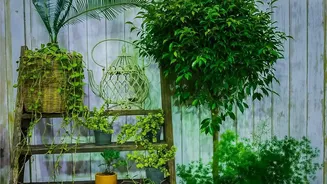
The most effective hanging plants are often those with a trailing or cascading growth habit. Varieties like Golden Pothos, Heartleaf Philodendron, and English Ivy are popular for their long, graceful vines. Pothos is especially hardy and can tolerate lower light conditions, making it perfect for beginners or darker corners. For something different, a Spider Plant offers a fountain-like burst of arching leaves and produces 'pups' that dangle from the main plant. Boston Ferns provide lush, feathery fronds but require more humidity, making them a great choice for bathrooms. If your space is low on light, Hoya, Prayer Plants, and some varieties of Philodendron are adaptable choices that will still thrive.
Finding the Right Spot
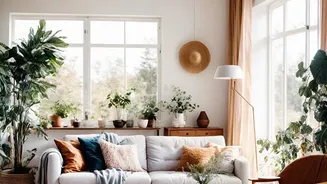
Where you hang your planter is crucial for both the plant's health and the room's aesthetics. Most houseplants thrive in bright, indirect light, so a spot near a window is often ideal. However, be mindful not to block too much natural light for other plants in the room. Corners are excellent locations, as they are often underutilized and a hanging plant can soften the angles of a room. Avoid high-traffic areas where someone might bump into the plant. Also, consider accessibility for watering. Don't hang it so high that you can't reach it with a watering can. Lastly, keep plants away from direct drafts from air conditioning units or heat from radiators, as this can cause stress.
Safe and Secure Installation
Proper installation is key to ensuring your hanging planter is secure. The method depends on your ceiling type. If you can, locate a ceiling joist using a stud finder and drill your hook directly into it for the strongest hold. For drywall ceilings where there is no joist, you'll need to use a toggle bolt anchor. These anchors have wings that spring open behind the drywall, distributing the weight over a larger area. Always choose a hook, whether a swag hook or J-hook, that is rated to support the full weight of your plant, keeping in mind that it will be heavier after watering. For a drill-free alternative, a strong tension rod can be placed in a window frame to hang lightweight plants with S-hooks.
Creative Styling Tips
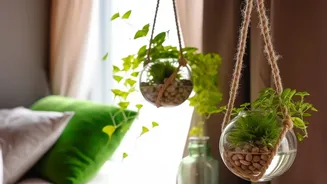
Once you have the basics down, you can get creative. Grouping two or three planters together at staggered heights creates a more natural and dynamic look than a single plant. This works especially well in a corner or in front of a bright window, creating a 'living curtain'. You can also use hanging plants to frame a piece of furniture or an architectural feature. For a different approach, place trailing plants on top of a high bookshelf or cabinet and let the vines cascade down. You can even guide the vines of a Pothos or Philodendron along a wall or curtain rod with small, clear adhesive hooks to create a living garland around the room.