



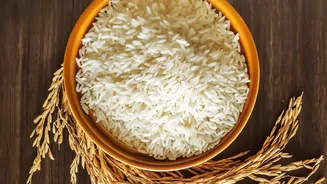
What's In Rice Water?
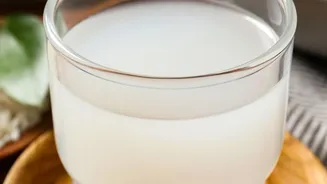
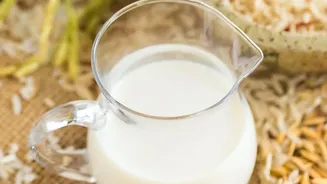
The milky liquid left over from rinsing or boiling rice is packed with starches and trace nutrients. While not a complete fertilizer, it contains small amounts of nitrogen, phosphorus, and potassium (NPK), the essential macronutrients for plant growth.
It also has B vitamins, like thiamine and niacin, and minerals such as magnesium and zinc. The primary component is starch, which acts as a food source for beneficial microorganisms in the soil. When these microbes thrive, they help improve soil structure and make nutrients more available to your plant's roots.
The Potential Benefits for Your Plants
Using rice water can be a gentle way to supplement your plant care routine. The mild dose of NPK supports leafy growth and root development. By feeding the good bacteria in the soil, it enhances the overall soil ecosystem, which can lead to healthier, more robust plants. For gardeners who are wary of strong chemical fertilizers, rice water offers a natural alternative that is less likely to cause fertilizer burn, a common issue where concentrated nutrients damage plant roots. It’s a sustainable practice that reduces kitchen waste while providing a small, consistent nutrient boost to your indoor and outdoor plants.
How to Make and Use Rice Water
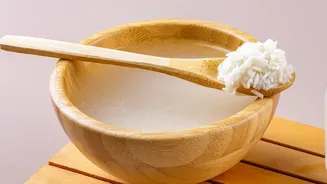
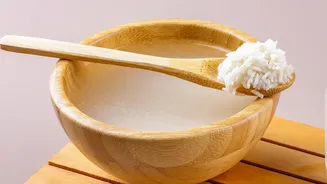
The easiest method for a beginner is using the water from rinsing uncooked rice. Simply place your rice in a bowl, cover it with water, and swirl it around for a minute until the water becomes cloudy. Collect this liquid to use on your plants. It's crucial to only use water from rinsing plain, uncooked rice. Never use water that has been salted or oiled, as this can severely harm your plants. For application, a simple dilution is key. A good starting point is a 1:1 ratio—one part rice water to one part fresh water. Some sources even suggest a more diluted ratio of one part rice water to five parts fresh water to be extra safe. Use this mixture to water your plants as you normally would, moistening the soil at the base.
How Often Should You Use It?
Moderation is critical when using rice water. Applying it too frequently can lead to a buildup of starch on the soil surface, which can attract pests like fungus gnats, harden the soil, and even encourage mold growth. A safe frequency is to use the diluted rice water in place of a regular watering once every one to two weeks. During winter or dormant periods when plants aren't actively growing, it's best to reduce or stop using it altogether. Always allow the soil to dry out between applications to prevent root rot and other moisture-related issues.
A Note on Fermented Rice Water
You might also hear about fermented rice water, which is made by letting the rinse water sit for a few days until it develops a slightly sour smell. The fermentation process increases the nutrient concentration and introduces beneficial bacteria, like lactobacillus, making it more potent. While more effective, it's also more acidic and requires greater dilution, often at a 1:5 or 1:10 ratio with plain water. For beginners, sticking with simple, unfermented rice water is the safest and easiest way to start.
Which Plants Benefit the Most?
While most plants can benefit from a mild rice water treatment, some seem to respond particularly well. These include many common houseplants like pothos, spider plants, and ferns. Vegetable plants, especially leafy greens and fruiting ones like tomatoes and peppers, also appreciate the gentle nutrient boost. However, you should avoid using it on succulents and cacti, as the extra organic matter and moisture can lead to rot in plants that prefer dry conditions.