






Step 1: Set the Scene for Calm
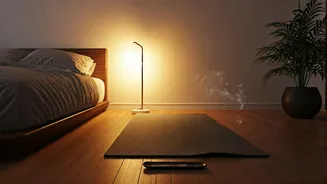
Begin your wind-down about 60 to 90 minutes before you plan to sleep. This isn't about rushing; it's about transitioning. The first step is environmental. Dim the lights in your home, switching from harsh overhead lighting to softer lamps. This simple
act signals to your brain's circadian rhythm that the day is ending and it's time to start producing melatonin, the hormone that promotes sleep. Put away any clutter from your day—close the laptop, tidy your desk, and create a physical space that feels serene and orderly. A calm environment encourages a calm mind.
Step 2: Disconnect from Your Devices
This might be the hardest but most crucial step. Put your phone, tablet, and laptop away for the night. The blue light emitted from these screens is notoriously disruptive to sleep patterns, tricking your brain into thinking it's still daytime. More than that, the constant stream of notifications, emails, and social media feeds keeps your mind in a state of high alert. By creating a firm digital cut-off, you give yourself the mental space to be present, to check in with yourself, and to let the nervous system settle. If you use your phone as an alarm, set it and place it face-down across the room.
Step 3: Prepare Your Yoga Space
You don't need a dedicated studio. A quiet corner of your living room or bedroom is perfect. Roll out your yoga mat and gather a couple of pillows or a blanket for support. Wear comfortable, non-restrictive clothing that allows you to move and breathe freely. The act of preparing your space is a ritual in itself. It reinforces your intention to care for yourself and creates a boundary between the busy day and this sacred time for rest and gentle movement. You can light a candle with a calming scent like lavender or simply enjoy the quiet.
Step 4: The Gentle Hatha Yoga Sequence
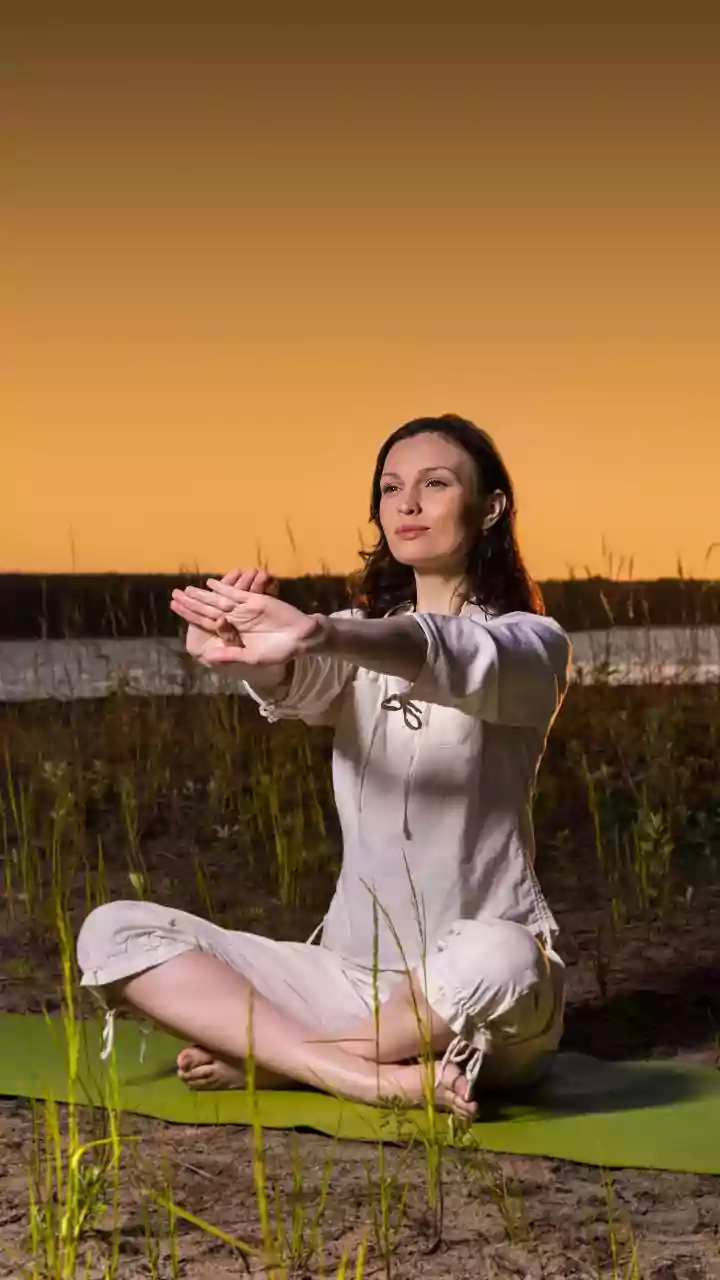
Hatha yoga is ideal for evenings because it focuses on slow, deliberate movements and linking them with breath (pranayama). This isn't a workout; it's an 'un-doing'. The goal is to release muscular tension and quiet the chatter of the mind. Move through these poses slowly, holding each one for 5–8 deep breaths. Focus on the sensation of the stretch and the rhythm of your inhales and exhales.
Pose 1: Cat-Cow (Marjaryasana-Bitilasana)
Start on your hands and knees in a tabletop position, with wrists under shoulders and knees under hips. As you inhale, drop your belly towards the floor, lift your chest and gaze forward (Cow Pose). As you exhale, round your spine toward the ceiling, tucking your chin to your chest and pressing the mat away (Cat Pose). Flow between these two poses for about a minute. This gentle movement warms up the spine and releases tension in the back and neck.
Pose 2: Child’s Pose (Balasana)
From your tabletop position, bring your big toes to touch, spread your knees wide, and sink your hips back towards your heels. Fold forward, resting your torso between your thighs and your forehead on the mat. You can stretch your arms forward or rest them alongside your body. This is a deeply restorative pose that calms the nervous system and gently stretches the hips, thighs, and lower back. Breathe into your back body, feeling it expand with each inhale.
Pose 3: Legs-Up-The-Wall (Viparita Karani)
This is the ultimate pose for relaxation. Sit on the floor with one hip against a wall. Gently swing your legs up the wall as you lie back, so your body forms an 'L' shape. Your sitting bones should be as close to the wall as is comfortable. A pillow under your hips can make this more comfortable. Rest your arms by your sides, palms up. This gentle inversion helps improve circulation, drains tired legs, and has a profoundly calming effect on the entire body. Stay here for 5–10 minutes, breathing naturally.
Step 5: Transition to Bed
After your final pose, move slowly. The calm you've cultivated is precious, so don't shatter it by jumping up and turning on bright lights. Slide into bed. Instead of reaching for your phone, consider reading a few pages of a physical book (not an intense thriller) or spending five minutes journaling. Write down anything that's on your mind to get it out of your head, or simply list three things you were grateful for during the day. This final act helps close the chapter on the day, leaving you ready for sleep.