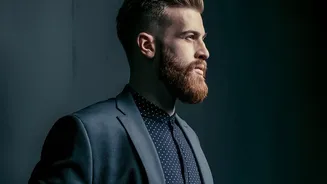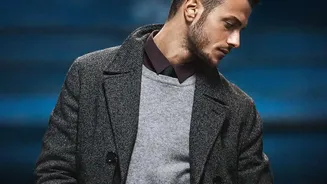


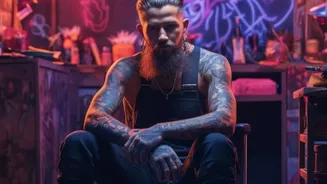
Bold, versatile, and effortlessly cool, the undercut hairstyle has proven its lasting appeal. Characterised by short sides and a longer top, this cut offers a striking contrast that can be adapted to any style, from edgy to elegant.
What Exactly Is an Undercut?
At its core, an undercut
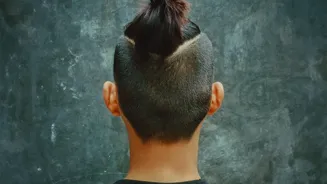
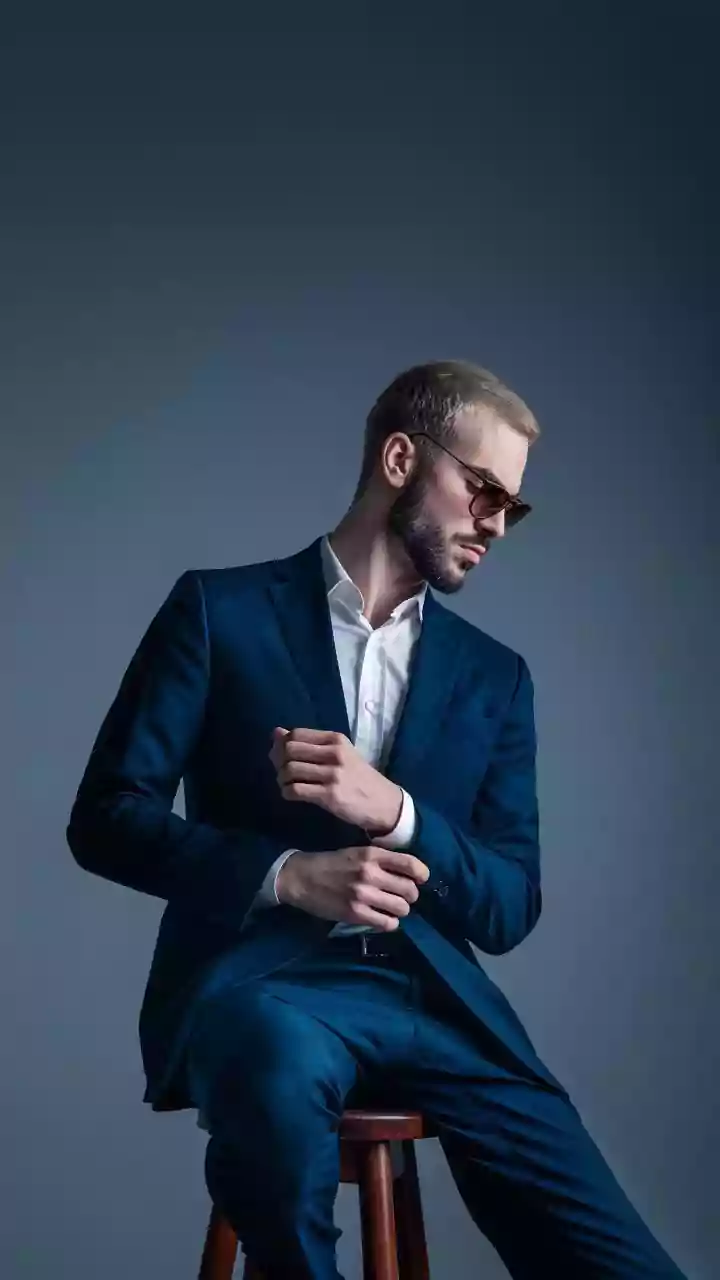
is a hairstyle where the hair on the sides and back of the head is cut significantly shorter than the hair on top. The defining feature is the contrast between these two sections. Unlike a fade, which creates a gradual, seamless transition in length, an undercut features a distinct, sharp line where the short sides meet the long top. This 'disconnection' is the key element that gives the style its clean and modern aesthetic. The length of the sides can range from a close buzz to a longer clipper cut, while the top is left with enough length to be styled in various ways.
The Appeal of the Undercut
The undercut's popularity isn't just about its sharp looks; it's also incredibly practical. For those with thick or heavy hair, it's an excellent way to remove bulk and weight, making hair feel lighter and more manageable. This can significantly reduce drying and styling time. It’s also a versatile cut that works for nearly all hair types, including straight, wavy, and curly textures. Another major benefit is its adaptability. An undercut can be bold and obvious, or it can be a 'hidden' detail at the nape or side that's only revealed when you tie your hair up, offering two looks in one.
Popular Variations to Consider
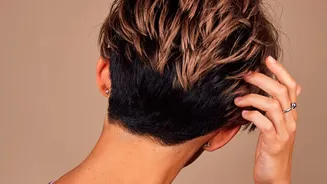
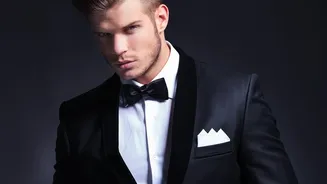
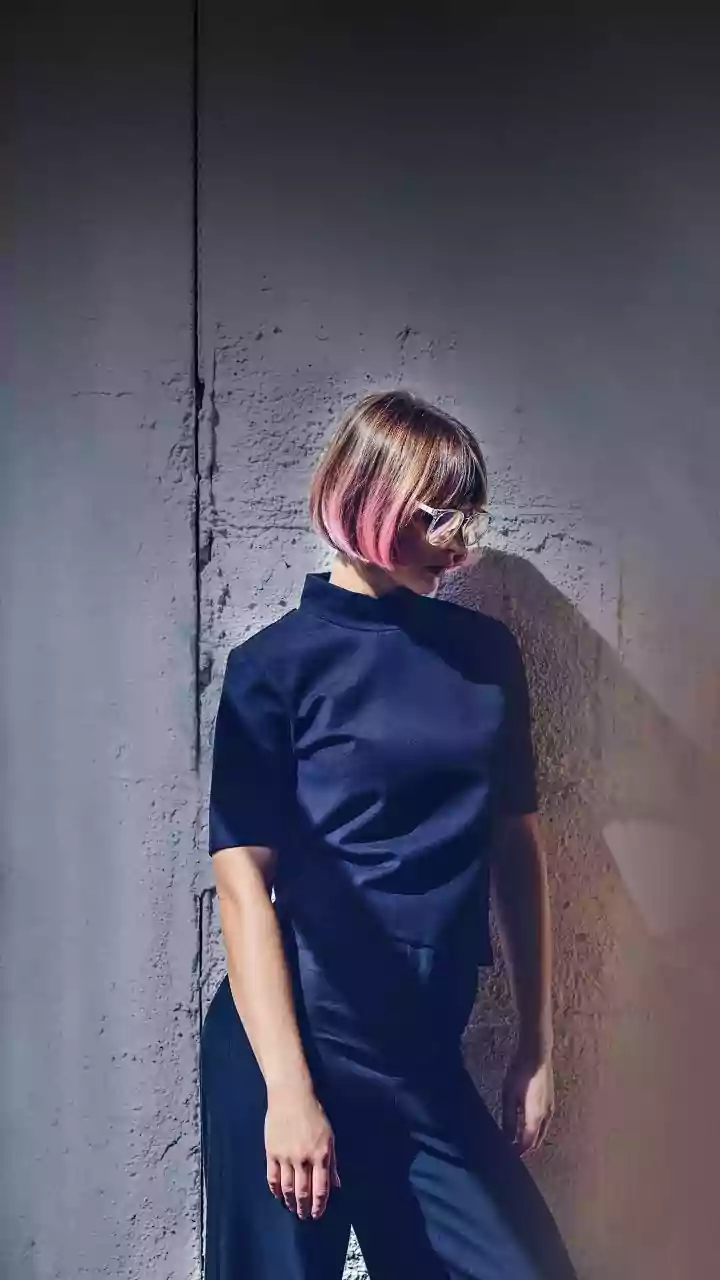
The undercut serves as a base for many different styles. The Classic Slick-Back Undercut is a timeless look where the long top is combed back with pomade for a polished finish. For more volume, the Pompadour Undercut styles the hair upward and back, creating a dramatic silhouette. A more casual option is the Textured Top Undercut, where the hair is left with natural movement. Women often opt for a Nape Undercut, where only the section at the back of the neck is shaved, or a Side Undercut for an asymmetrical edge. These can even incorporate shaved-in designs for extra personality.
How to Ask Your Barber for an Undercut
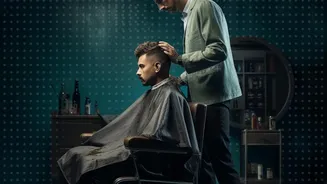
Clear communication with your stylist is key to getting the look you want. Bringing inspiration photos is one of the best ways to show exactly what you have in mind. Be specific about how short you want the sides and back to be—mentioning the clipper guard number if you know it can be very helpful. Also, discuss how much length you want to keep on top. Talk to your stylist about whether you want a 'disconnected' look with a hard line or a more 'blended' undercut that softens the transition slightly. A good stylist can also advise on what variation will best suit your face shape and hair type.
Styling Your Undercut for Volume and Finish
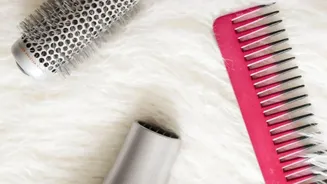
Styling is where you can truly personalize your undercut. To achieve volume, start with damp hair and apply a pre-styling product like a mousse or sea salt spray. Using a blow dryer, direct the hair upward and in the direction you want it to sit. For a sleek, shiny finish, a pomade is an excellent choice, especially for slick-back styles. If you prefer a natural, matte look with more texture, a styling wax or clay will provide hold without the shine. Don't be afraid to experiment with different products and techniques to find what works best for your hair.
Maintenance: Keeping It Neat and Sharp
To keep an undercut looking its best, regular maintenance is essential. The short sides and back will grow out relatively quickly, so you'll likely need a trim every two to four weeks to maintain the sharp, clean lines. The hair on top can be trimmed less frequently, perhaps every four to six weeks, depending on the style. Between visits, using a quality shampoo and conditioner will keep the longer hair healthy and manageable. Proper care ensures that the contrast, which is central to the style, remains distinct and intentional.