



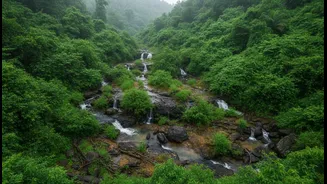


A Symphony Awakened by the Monsoon
The Valley of Flowers National Park in Uttarakhand remains covered in snow for most of the year, inaccessible and dormant. The magic begins when the monsoon arrives. The period from mid-July through early September is when the valley truly comes alive,
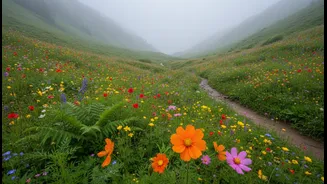
a phenomenon directly triggered by the seasonal rains. This moisture, combined with the melting snow, is the lifeblood that coaxes over 500 species of alpine flowers to burst into a riot of colour. While trekking during the monsoon might seem counterintuitive, it's the very reason this high-altitude meadow transforms into a floral paradise. Without the rain, there would be no legendary bloom.
The Peak Bloom: A Carpet of Colour
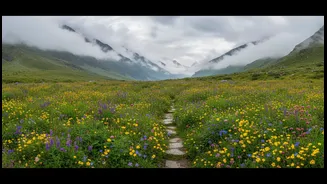
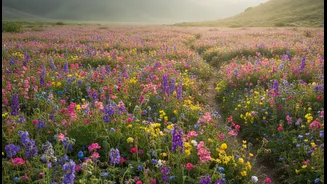
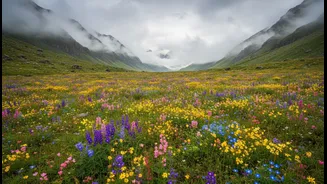
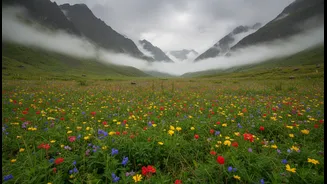
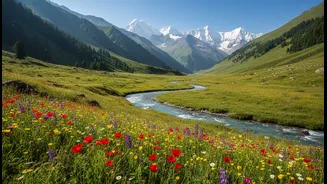
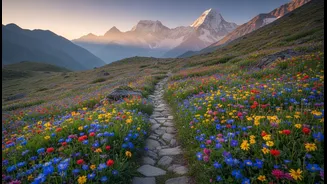
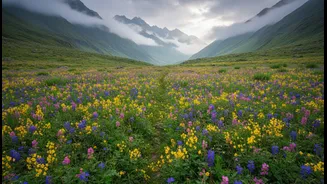
While the park opens in June, the most breathtaking floral display happens between mid-July and mid-August. This is the absolute peak season. Trekkers are greeted by vast stretches of Himalayan Balsam, Geraniums, and Primulas. The famous, elusive Blue Poppy and the delicate Cobra Lily also make their appearance during this time. The landscape is painted in hues of pink, purple, yellow, and white, creating a scene that photographers and nature lovers dream of. By August, the entire valley floor can appear as a vibrant, patterned carpet, with the Pushpawati River flowing through its heart. While crowds are at their maximum, the sheer density and variety of flowers make it the most rewarding time to visit.
Navigating the Trail and Weather
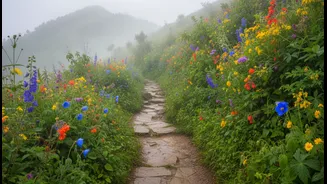
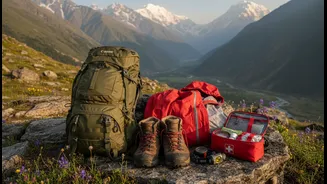
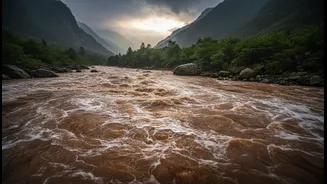
A monsoon trek means being prepared for rain and its consequences. Trails can become slippery and muddy, so waterproof trekking shoes with excellent grip are non-negotiable. A good quality poncho or rain jacket is also essential. Rain often comes in intermittent showers rather than a constant downpour, and the clouds and mist add a mystical quality to the landscape. Temperatures during the day are quite pleasant for trekking, typically ranging from 12°C to 20°C. While the risk of landslides on approach roads exists, local authorities monitor conditions closely. The trek itself, from the base camp at Ghangaria, is considered moderate and manageable for anyone with a basic level of fitness.
What About the Shoulder Months?
Trekking in June, just as the park opens, offers a different experience. You'll find lush greenery, fewer crowds, and clearer mountain views, but the floral bloom is just beginning. Many early-season flowers can be seen, but you will miss the dense carpets of August. In September, the monsoon begins to retreat. The weather becomes clearer and the crowds thin out significantly. However, the flowers also start to wilt and fade, and the valley's colour palette shifts towards autumnal yellows and browns. While still beautiful, it's the post-peak phase. Visiting during these shoulder months is a trade-off: better weather and fewer people for a less intense floral display.
Logistics for the Prime Window
Planning a trek during the peak season of July and August requires advance preparation. The trek begins from Govindghat, which is a long drive from Rishikesh or Haridwar. From Govindghat, a short drive and then a trek of about 9-11 km leads to Ghangaria, the base camp for the Valley of Flowers and the sacred Hemkund Sahib. Since Ghangaria is the only place with accommodation near the valley, and no one is allowed to camp inside the park, booking your stay well in advance is crucial, especially during this busy period. Permits to enter the national park are required and can be obtained at the forest check post.