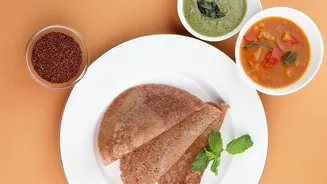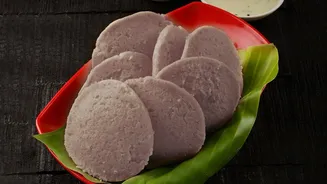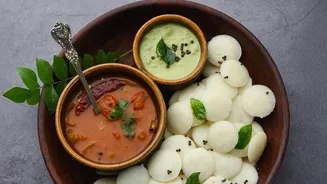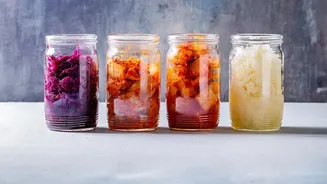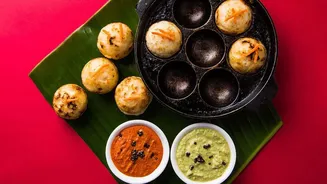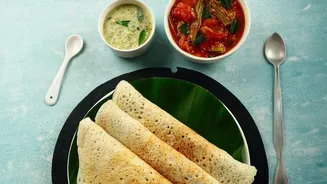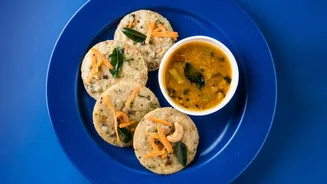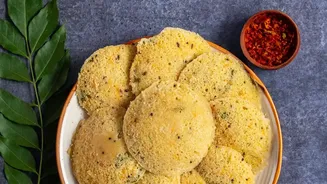

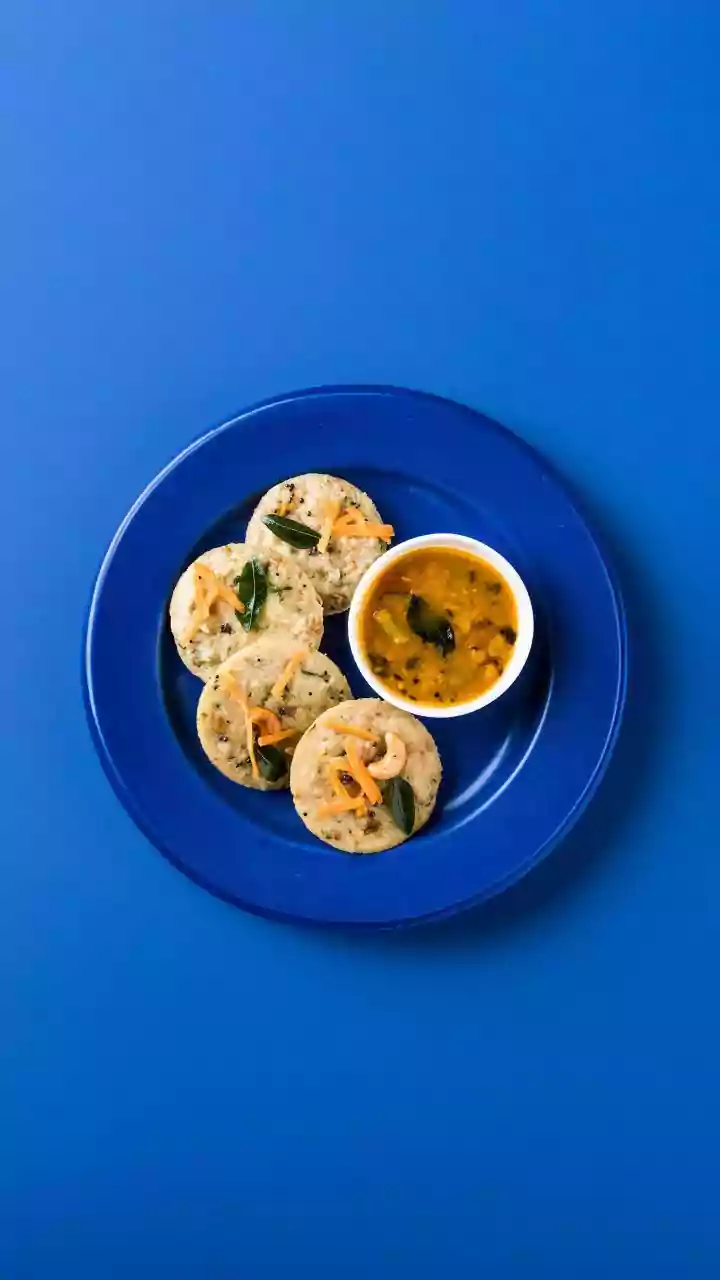
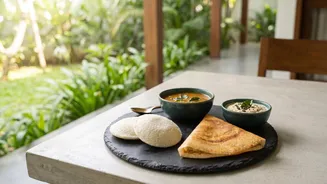
The soft, fluffy idli and the crisp, golden dosa are more than just beloved South Indian staples. They are the delicious results of a powerful, ancient food technology: fermentation. This natural process is a culinary secret to unlocking more nutrition.
The Science of a Simple Batter
At its heart, the process is simple. A batter of soaked and ground rice and urad dal (black gram) is left to sit for several hours. During this time, naturally occurring microorganisms, primarily lactic acid bacteria (LAB) and yeasts, get to work. These tiny helpers begin to break down the complex carbohydrates and proteins in the batter. This pre-digestion not only makes foods like idli and dosa easier on our stomachs but also transforms their nutritional profile in remarkable ways. The process creates the characteristic tangy flavour and the carbon dioxide that leavens the batter, making idlis perfectly spongy.
A Natural B-Vitamin Factory
One of the most significant benefits of this fermentation is the synthesis of B-vitamins. While the original rice and dal have some B-vitamins, the microbial activity during fermentation actually increases their content. Strains of lactic acid bacteria are known to produce essential vitamins like folate (B9), riboflavin (B2), thiamine (B1), and even vitamin B12. One study on idli batter noted a significant increase in thiamine, riboflavin, and folic acid after a 10-hour fermentation period. For populations relying heavily on plant-based diets, where vitamin B12 is particularly scarce, this natural enrichment through fermentation is a crucial nutritional advantage.
Unlocking Minerals by Tackling 'Antinutrients'
Beyond creating new vitamins, fermentation also enhances our ability to absorb the minerals already present in the food. Grains and legumes like rice and dal contain compounds known as 'antinutrients,' with phytic acid being the most prominent. Phytic acid binds to minerals such as iron, zinc, and calcium, forming complexes that our bodies cannot absorb easily. The fermentation process activates enzymes called phytases, which break down phytic acid. By degrading this antinutrient, fermentation essentially unlocks these vital minerals, making them more bioavailable for our bodies to use. This can lead to improved iron absorption, which is critical for preventing anaemia, and better uptake of calcium for bone health.
Improved Digestibility and Gut Health
The benefits don't stop with vitamins and minerals. The lactic acid bacteria that drive the fermentation are themselves beneficial probiotics. Consuming foods like idli and dosa introduces these good bacteria into your digestive system, helping to maintain a healthy gut microbiome. This can lead to smoother digestion, reduced bloating, and a stronger defence against harmful gut bacteria. Furthermore, the pre-digestion of starches and proteins by microbial enzymes means your own digestive system has less work to do. This makes fermented foods exceptionally gentle on the stomach and suitable for all ages, from toddlers to the elderly.