


The Punjabi Powerhouse: Sarson ka Saag
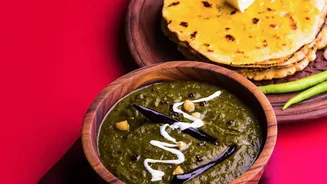
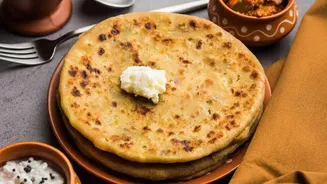
No winter food trail is complete without a stop in Punjab for a bowl of Sarson ka Saag. More than just a dish, it's a rustic, slow-cooked tradition. Made primarily from mustard greens, often blended with spinach or bathua (chenopodium), this creamy preparation
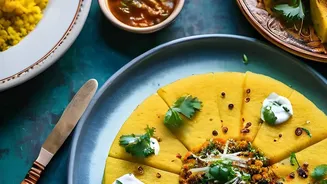
is the very essence of seasonal eating. Mustard leaves thrive in the cold and are considered warming in nature according to Ayurveda, believed to improve digestion and circulation. This vibrant green dish is a rich source of dietary fibre, iron, and folate, which helps combat the low energy often felt during colder months. The traditional preparation involves hours of slow cooking, which breaks down the leaves into a luscious, earthy paste. Finished with a tempering of garlic, ginger, and ghee, and served with a dollop of white butter alongside Makki ki Roti (cornmeal flatbread), it’s a meal that provides deep, lasting warmth and connects a diner to Punjab’s agricultural heartland.
The Gujarati Harvest Celebration: Undhiyu
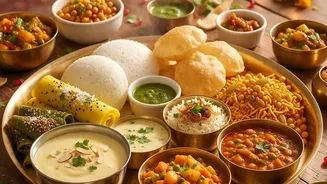
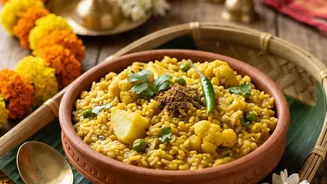
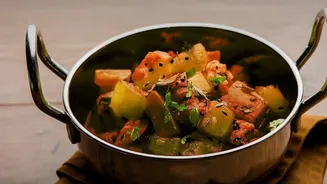
Travel west to Gujarat, and winter announces itself with Undhiyu. The name comes from the Gujarati word 'undhu', meaning 'upside down', a nod to the traditional method of cooking it in earthen pots buried underground. This dish is a glorious medley of the season's finest produce. It features winter vegetables like surti papdi (hyacinth beans), purple yam, sweet potatoes, baby eggplants, and raw bananas. These vegetables are slow-cooked with a special masala of fresh coconut, coriander, and spices, along with methi muthia (spiced fenugreek dumplings). Undhiyu is not just a dish but a celebration of the winter harvest, traditionally enjoyed during the festival of Uttarayan (Makar Sankranti). Each vegetable retains its shape and texture, creating a complex, layered flavour that is savoury, spicy, and slightly sweet. It embodies the principle of eating locally and seasonally, a delicious reflection of the region's winter bounty.
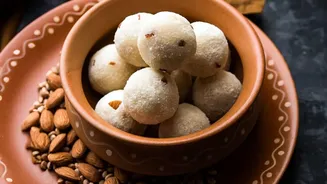
The Energy Booster: Gond ke Laddoo
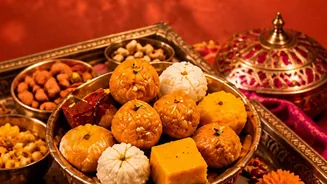
Across North and West India, winter brings with it the tradition of making Gond ke Laddoo. These dense, nutritious sweet balls are a powerhouse of energy and warmth. The star ingredient, 'gond', is a natural edible gum harvested from the acacia tree. When fried in ghee, the gond crystals puff up into crunchy, light morsels. These are then bound together with whole wheat flour, copious amounts of ghee, nuts like almonds, and jaggery or sugar. Ayurveda values gond for its 'garam taseer' or warming properties, making it an ideal food for cold weather. These laddoos are traditionally given to new mothers to help regain strength and are consumed by all to boost immunity, strengthen bones, and provide the sustained energy needed to fend off the winter chill. Just one or two laddoos can provide a significant source of heat and nourishment, making them a perfect winter snack.
The Sweet Finale: Gajar ka Halwa
Arguably India's most beloved winter dessert, Gajar ka Halwa is a seasonal ritual in itself. The dish owes its signature flavour to the special red carrots that are available only during the winter months. These carrots are naturally sweeter and juicier, lending the halwa a distinct richness. The preparation is a labour of love, involving patient grating of carrots and slow-cooking them in milk until they soften and absorb the liquid. Ghee is added for richness and its warming properties, while cardamom lends a beautiful aroma. Beyond its comforting taste, the halwa offers nourishment. Carrots are a great source of Vitamin A, while the milk adds calcium and protein. The ghee provides healthy fats that the body craves for energy and warmth in winter. This dessert is a perfect example of how traditional Indian cuisine transforms simple, seasonal ingredients into something truly special.
Bengal's Liquid Gold: Nolen Gur
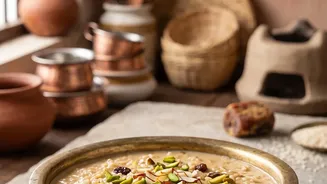
In West Bengal, winter’s arrival is marked by a unique sweet fragrance: that of Nolen Gur, or date palm jaggery. This seasonal delicacy, often called 'new jaggery', is extracted from the sap of the date palm tree, a process that can only happen during the cool winter months, typically from November to February. Warmer temperatures would cause the sap to ferment and spoil. This liquid gold has a smoky, caramel-like flavour that is unlike any other sweetener. It is used to create a range of iconic Bengali sweets, from Roshogolla and Sandesh to Payesh (kheer). Available as a liquid 'jhola' gur or solidified 'patali' gur, it represents an artisanal tradition passed down through generations of 'gachhis' (sap tappers). Enjoying sweets made with Nolen Gur is to taste the very essence of a Bengali winter.