




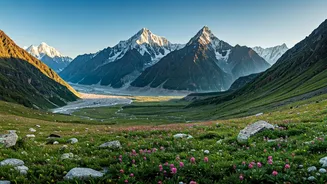


From Utility to a Visual Gallery
For years, weather apps were paragons of pure utility. They existed to deliver one thing: data. Temperature, precipitation chance, wind speed—information stripped down to its most functional form. But a quiet and beautiful revolution has been taking place.
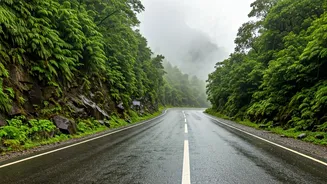
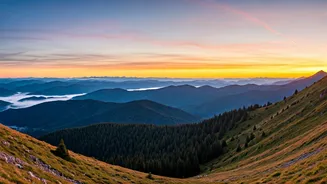
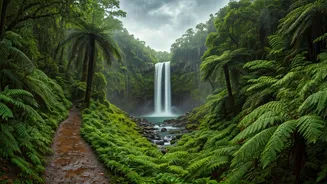
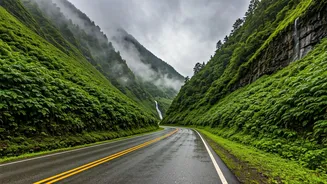
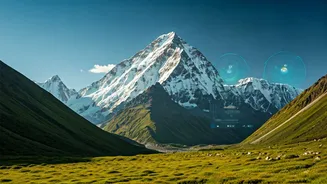
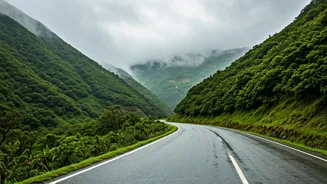
Major weather tracking applications, from global giants like AccuWeather to more localised services, have increasingly integrated user-submitted photography, turning their interfaces into dynamic, crowd-curated art galleries. And at the heart of this visual transformation is a surprising star: the Himalayas. The stark, dramatic, and ever-changing landscapes of the Indian Himalayas have become a dominant and beloved feature, replacing generic graphics with moments of genuine awe. What was once a quick, forgettable check-in has become an opportunity for a daily dose of natural wonder.
The Crowdsourcing Engine
This shift didn't happen by accident. It’s a deliberate strategy by tech companies to deepen user engagement. By allowing users to submit photos that reflect the current weather in their location, apps achieve several goals at once. Firstly, it creates a powerful feedback loop. A photo of a clear sky in Shimla or a downpour in Mussoorie provides immediate, visual confirmation of the app's forecast, building user trust. Secondly, it fosters a sense of community and participation. Users feel a flicker of pride when their photo is selected and displayed to millions, turning them from passive consumers of data into active contributors. This model, often called 'social weather,' not only enhances the app's aesthetic but also provides a vast, low-cost stream of hyperlocal, on-the-ground atmospheric data that algorithms alone cannot capture. For the user, it’s a simple upload; for the app, it’s a goldmine of engagement and verification.
The New Himalayan Chroniclers
So, who are these photographers whose work now graces our screens? They are not, for the most part, professional photographers with high-end gear on assignment. They are a diverse and democratic army of mountain lovers. They are trekkers capturing a fleeting alpenglow on their smartphone, guesthouse owners in Ladakh documenting the first snowfall, guides in Uttarakhand sharing a view of the Nanda Devi massif, and tourists who just happened to be in the right place at the right time. The smartphone camera, with its ever-improving quality, has empowered anyone to become a chronicler of the Himalayan environment. This trend provides a massive, unprecedented platform for amateur talent, allowing stunning images that might have once been lost in a camera roll to be seen and appreciated by a global audience. It’s a democratisation of nature photography, driven by passion and accessibility.
More Than Just a Pretty Picture
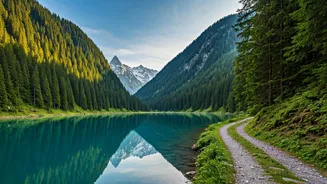
The impact of this phenomenon extends beyond the app itself. By bringing a daily, intimate view of the Himalayas to people in bustling cities like Mumbai, Delhi, or Bengaluru, it cultivates a deeper connection to India's natural heritage. These images are not just weather reports; they are powerful reminders of the fragile beauty of these ecosystems. A photo of a pristine, glacier-fed lake or a rhododendron-filled valley can inspire wonder, but a photo of smog-filled valleys or receding glaciers can also serve as a subtle but potent call to environmental awareness. In a small way, the weather app has become an ambient platform for environmental storytelling, fostering an appreciation for landscapes that many users may never visit but are now visually familiar with. It bridges the gap between the urban and the wild, one photograph at a time.