
The Gift of Greenery: Plants for Prosperity
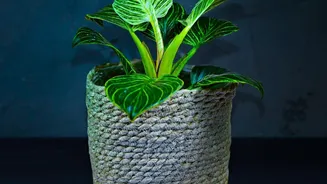
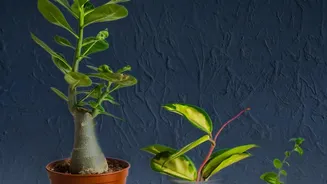
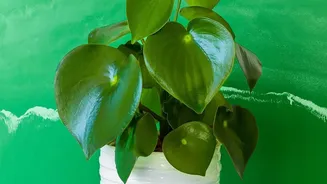
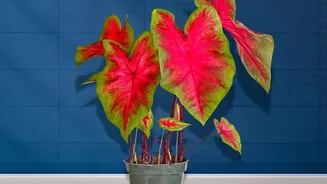
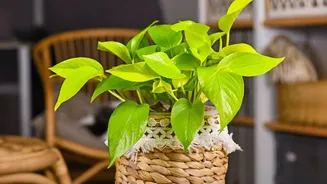
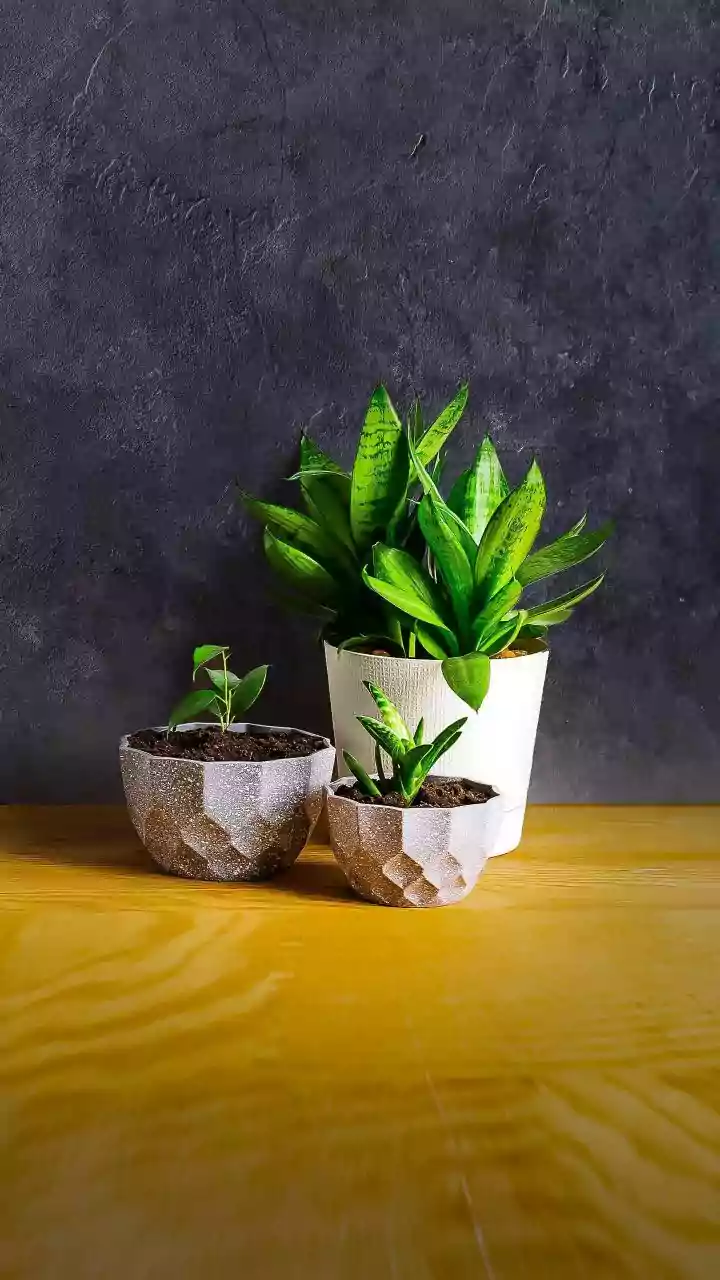
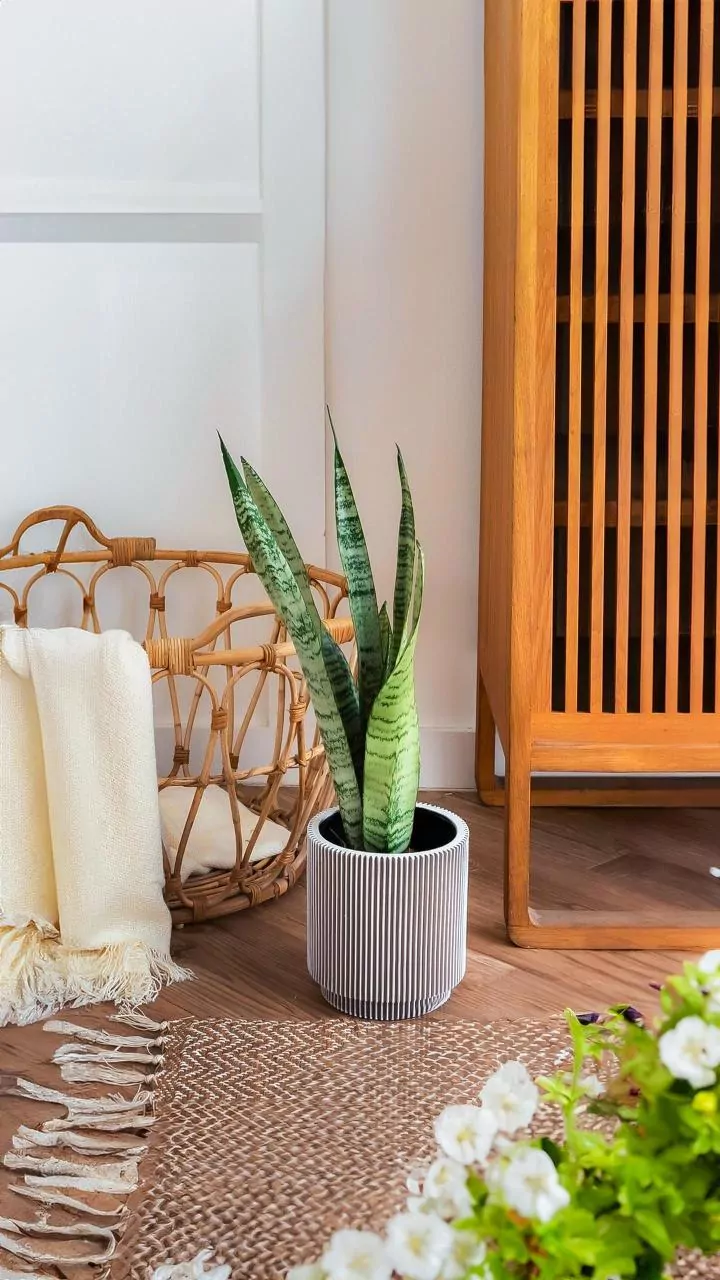
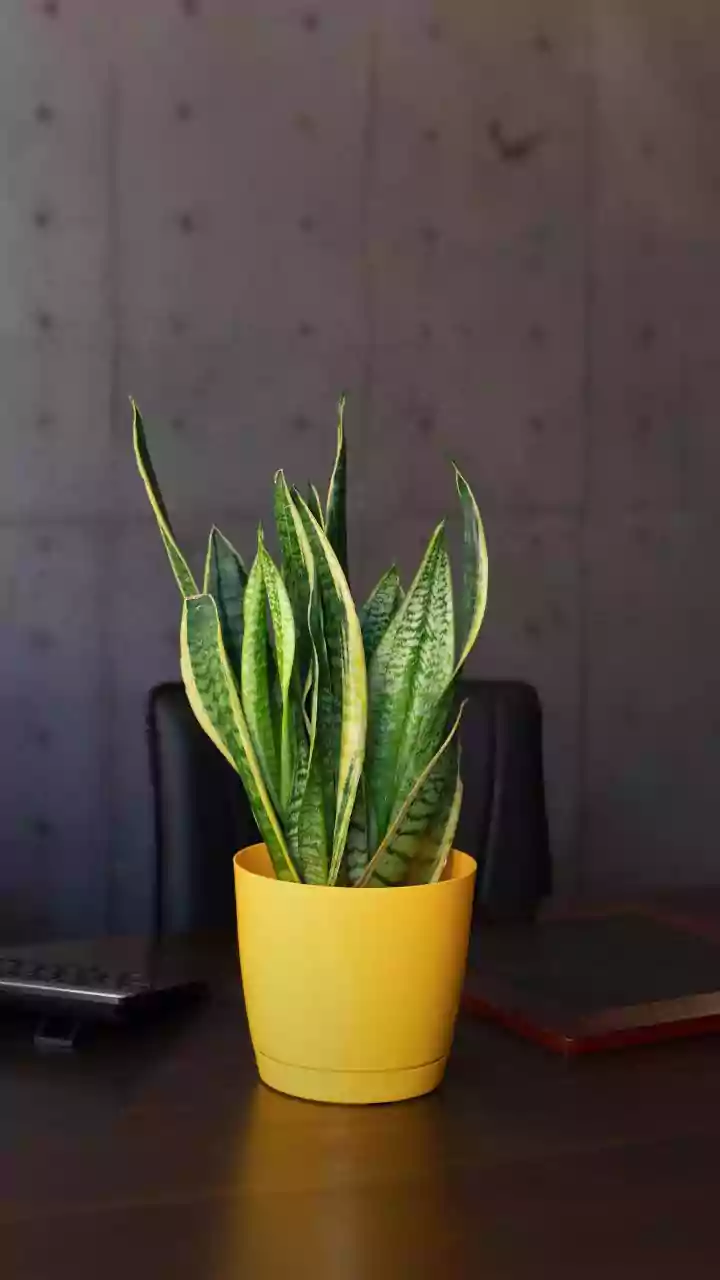
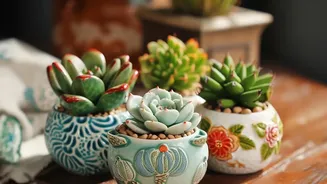
Move beyond temporary bouquets and give a gift that grows. A potted plant is a living symbol of growth and resilience, offering a lasting reminder of your affection. Houseplants are more than just decor; they are natural air purifiers, known to improve
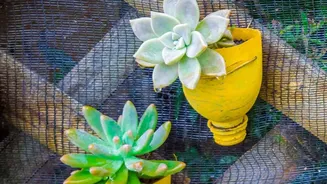
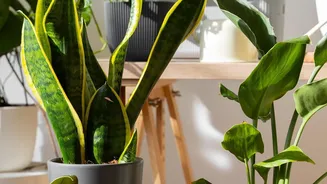
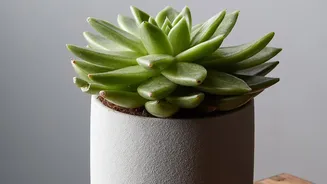
indoor air quality by absorbing toxins. Studies have also shown that being around plants can reduce stress, boost mood, and create a tranquil environment. For the recipient, the simple act of caring for a plant can become a calming, mindful ritual. When choosing a plant, consider the recipient's lifestyle. Low-maintenance options like snake plants, succulents, or money plants are perfect for beginners and busy individuals, requiring minimal attention to thrive. For a traditional touch, a Tulsi plant is considered sacred and a wonderful addition to any Indian home. Gifting a plant is a gesture of care for your loved one's well-being and their living space.
Woven with Love: The Richness of Handloom
In an era of fast fashion, a handloom textile is a gift of heritage and artistry. Indian handlooms are celebrated for their intricate craftsmanship, vibrant colours, and cultural significance. Each piece, whether it's a silk saree, a soft cotton stole, or an intricately designed dupatta, carries the story of its region and the artisan who created it. Choosing a handloom gift is a powerful way to support India's local artisans, many of whom are in rural communities where weaving is a primary source of livelihood. The handloom sector is the second-largest employer in rural India after agriculture, and your purchase helps preserve age-old skills that are at risk of being lost. Beyond apparel, consider handloom home decor like cushion covers, table runners, or wall hangings. These items add a touch of elegance and tradition to any space. By gifting handloom, you are not just giving a beautiful product; you are supporting sustainable livelihoods, promoting ethical production, and preserving India's rich cultural tapestry for future generations.
Wrapped with Intent: A Zero-Plastic Pledge
The presentation of a gift is part of the joy, but it often comes with significant waste. Most conventional wrapping papers, especially those with glossy or metallic finishes, are not recyclable and end up in landfills. This festive season, take a pledge to go plastic-free with your packaging. One beautiful and sustainable alternative is Furoshiki, the traditional Japanese art of wrapping with cloth. You can use a beautiful scarf, a handloom napkin, or any piece of scrap fabric, turning the wrapping into a reusable part of the gift itself. Other creative ideas include using old newspapers, maps, or brown paper decorated with natural elements like dried leaves, pinecones, or sprigs of rosemary. Reusable jute bags, cloth pouches, or even sturdy, decorated cardboard boxes are also excellent options that the recipient can use again. By rethinking your gift wrapping, you minimise your environmental footprint and add a personal, creative touch that shows an extra layer of thought and care.