







From Functional to Fashionable
Fibre is officially having its main character moment. Once relegated to the back of the pantry and discussed in hushed tones, this essential carbohydrate is now front and centre in the wellness world. The global market for high-fibre foods is booming,
projected to grow from over $7 billion in 2026 to nearly $15 billion by 2035. [10] This isn't just about preventing constipation anymore; it's a full-blown cultural shift. Consumers, particularly younger generations, are embracing a trend dubbed "fibermaxxing"—intentionally maximizing their daily intake. [8, 9] This new-found enthusiasm is driven by a deeper understanding of health that goes beyond calories and macros. The conversation has shifted to the gut microbiome, the vast community of microorganisms in our digestive system. [12] People are connecting what they eat not just to physical health, but to their mental and emotional state, transforming fibre from a simple dietary component into a tool for holistic well-being. [7]
The Gut-Brain Connection
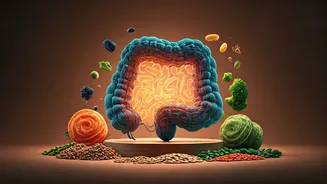
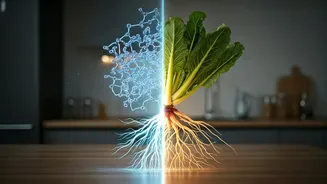
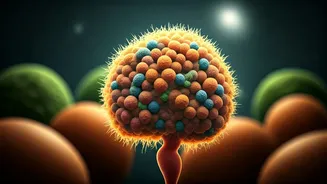
So, how exactly does a bowl of oatmeal or a side of beans affect your mood? The answer lies in the gut-brain axis, a complex communication network linking your digestive system and your brain. [3] Your gut is sometimes called the "second brain" because it produces many of the same neurotransmitters that regulate emotions, including over 90% of your body's serotonin and 50% of its dopamine. [5, 6] Dietary fibre, especially soluble fibre found in oats, beans, and apples, acts as a prebiotic. [19] It isn't digested by the body but instead becomes food for beneficial gut bacteria. [23] As these microbes feast on fibre, they produce short-chain fatty acids (SCFAs), which have anti-inflammatory effects and play a crucial role in brain health. [29] A healthy, fibre-fed microbiome can help regulate the body's stress response, reduce inflammation linked to depression, and support overall mental clarity. [2, 4] This two-way street means an unhappy gut can send stress signals to the brain, and a stressed brain can disrupt digestion. [5]
Fibre on Your Feed (and Plate)
The fibre trend is visible everywhere, from social media feeds to supermarket shelves. In India, the market for prebiotic and probiotic foods is growing rapidly, with a projected CAGR of over 15% between 2026 and 2034. [14] This includes everything from traditional staples like idli and dhokla to new fortified products. [21, 25] Globally, food brands are responding to the demand. Products from cereals to snack bars now proudly display their fibre content. [9] The market for functional foods that support gut health is surging, with prebiotic-fortified yoghurts, beverages, and baked goods becoming commonplace. [16, 28] Social media is buzzing with hashtags like #GutHealth and #fibermaxxing, where creators share recipes for "dense bean salads" and praise the virtues of humble, fibre-rich vegetables like cabbage. [12, 23] This trend also signals a move away from expensive, exclusive wellness products toward more accessible and affordable health, proving that you don't need a pricey superfood to feel good. [23]
How to Join the Fibre Mood
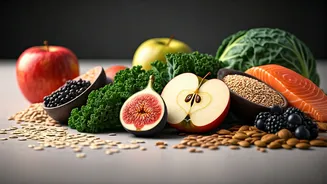
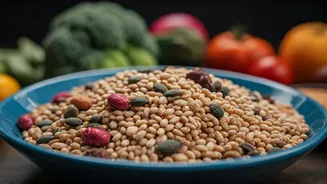
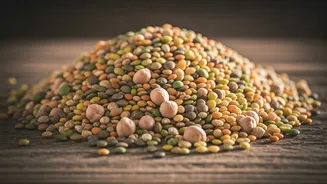
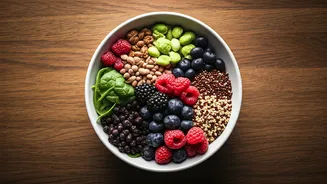
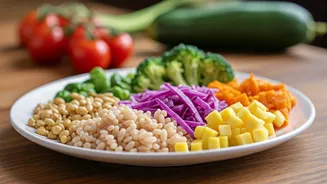
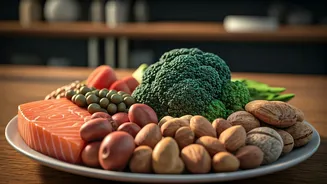
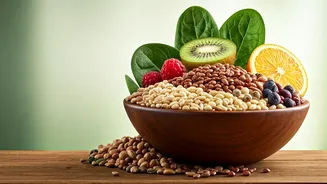
Inspired to boost your intake? Experts recommend a 'food first' approach. [9] While supplements exist, whole foods provide a diversity of fibres along with essential vitamins, minerals, and antioxidants that work together for better health. [23] There are two main types of fibre: soluble, which dissolves in water to form a gel (think oats, chia seeds, beans), and insoluble, which adds bulk (found in whole grains, nuts, and vegetables like cauliflower). [19, 29] A healthy diet needs both. For audiences in India, incorporating more fibre can be as simple as adding more lentils, chickpeas, raw bananas, flaxseeds, and barley to meals. [21] A few simple swaps can make a big difference: choose whole-wheat bread over white, brown rice over white, and eat fruits like apples with the skin on. [11, 29] The key is to increase your intake gradually and drink plenty of water to help the fibre do its job without causing digestive discomfort. [18, 30] Aiming for a variety of plant foods—aim for 30 different types a week if you can—is the best way to support a diverse and resilient gut microbiome. [23]