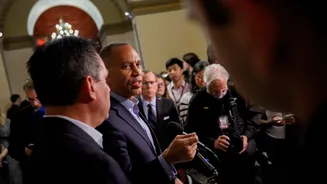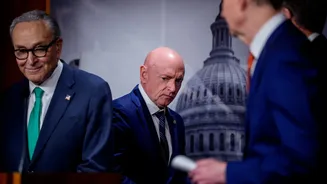

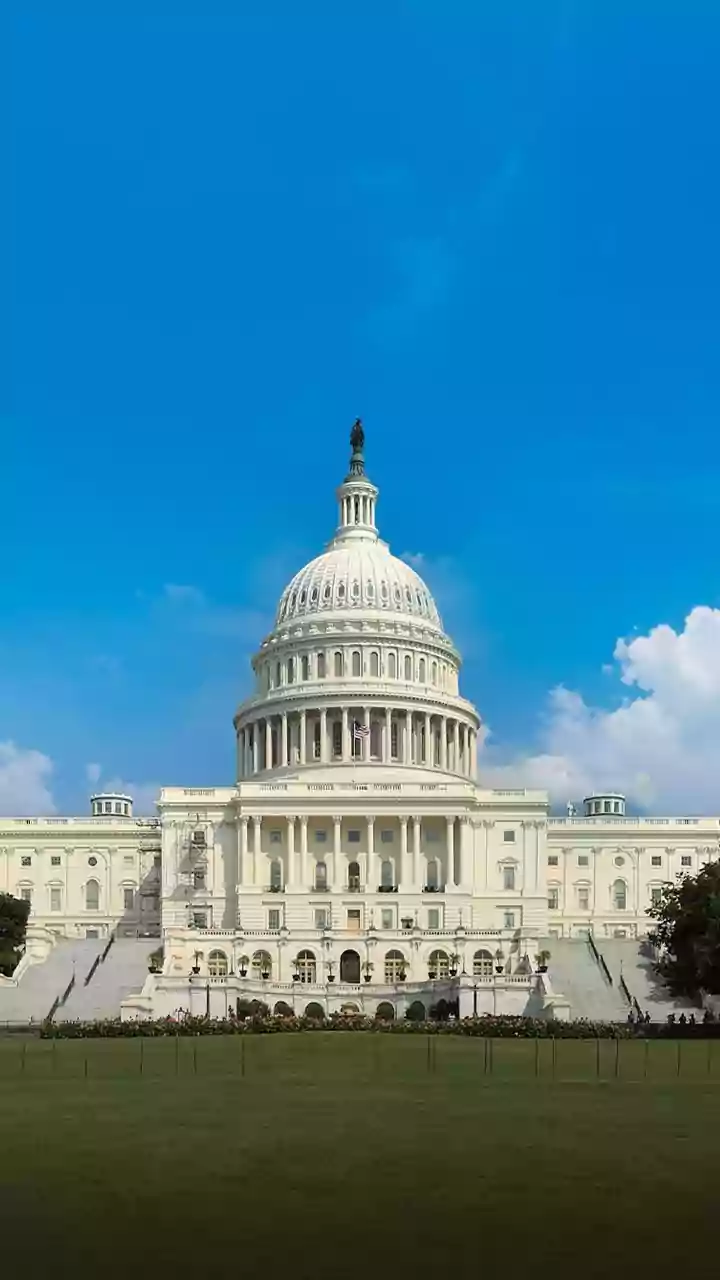

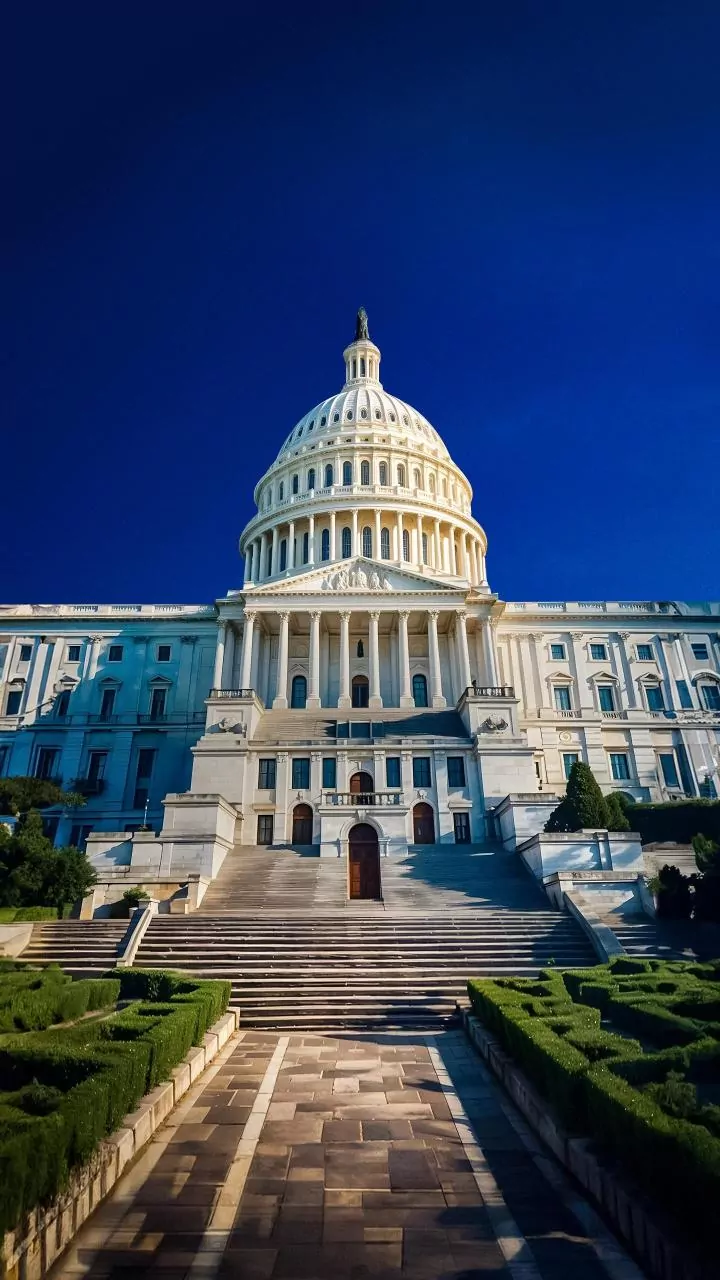
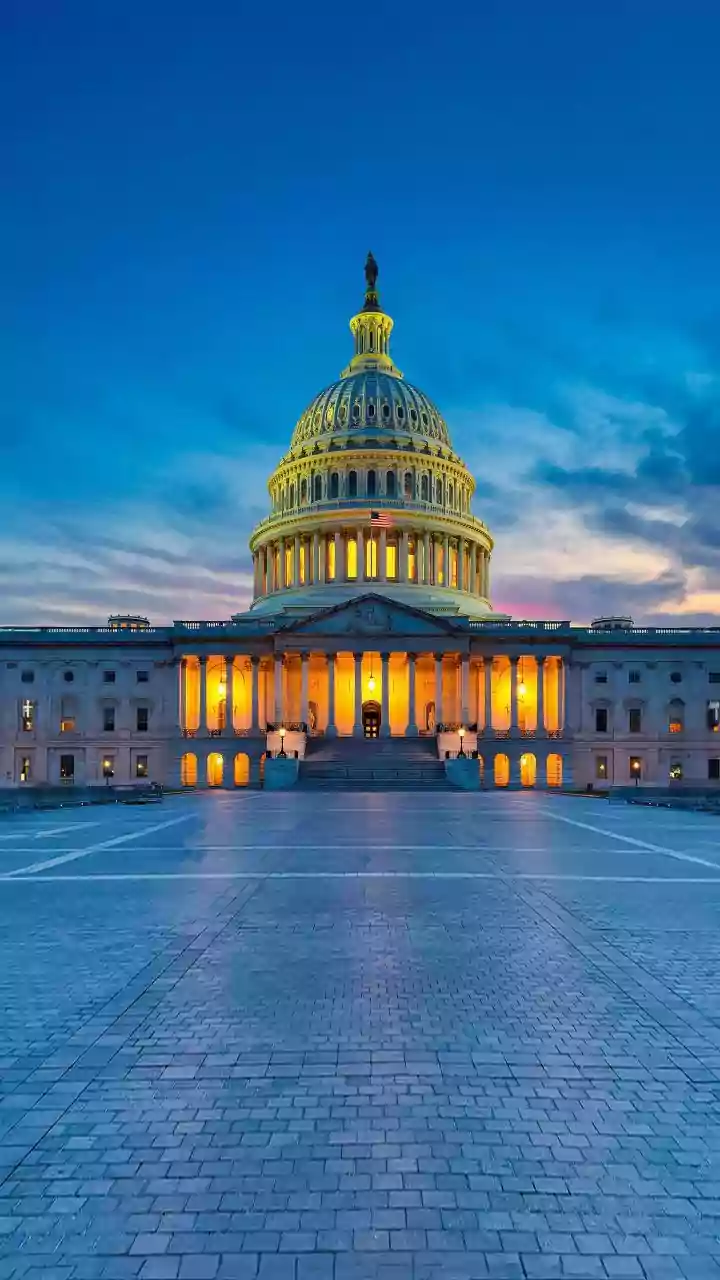
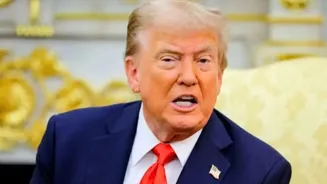
The 2026 midterm elections delivered a decisive verdict, handing Democrats control of both the House and Senate. This dramatic shift in Washington's power structure creates a new political reality for President Donald Trump.
A 'Blue Tsunami' Rebukes the GOP
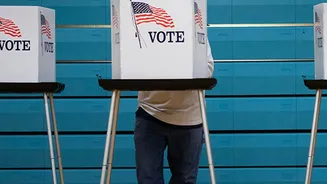
American voters delivered a resounding
victory for Democrats, surpassing expectations and flipping seats in traditionally Republican states like Texas, South Carolina, and Kansas. The result is being widely interpreted as a sharp rebuke of President Trump's second term, which has been marked by rising inflation, controversial tariffs, and an unpopular war in Iran. Voters consistently cited the cost of living and the economy as their top concerns, issues that Democrats successfully linked to the administration's foreign policy decisions. The outcome was so significant that some commentators have described it as a 'historic and sweeping defeat' for the Republican Party.
Trump's Waning Influence
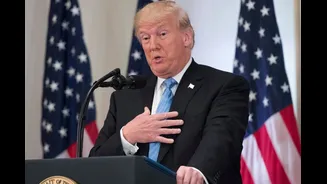
A key factor in the Republican losses was the underperformance of candidates handpicked and endorsed by Donald Trump. In numerous high-profile races for the Senate and governorships, Trump-backed candidates lost, raising questions about the power of his endorsement. Polls indicated that many voters felt his chosen candidates were either too supportive of him or lacked the necessary experience. In the aftermath, Trump himself acknowledged the losses, suggesting that Democrats 'fought hard' while blaming the quality of the Republican candidates. This electoral repudiation signals a potential decline in Trump's once-unshakable grip on the GOP, forcing the party to reckon with its post-Trump future as the 2028 presidential election cycle begins.
New Foreign Policy Battlegrounds Emerge
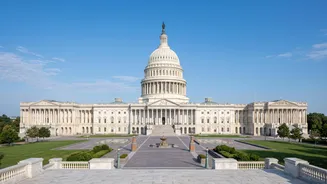
With Democrats in control, Congress is poised to challenge the Trump administration on several key foreign policy fronts. The US-led war in Iran, which has contributed to high gas prices at home, will be a primary focus. The new majority is expected to use its power of the purse and oversight capabilities to press the administration for an end to the conflict or, at the very least, seek formal congressional authorization. Democrats are also expected to push for renewed financial and military aid to Ukraine, a policy with bipartisan support that Trump has largely halted. Other areas of scrutiny will likely include US trade policy, particularly the administration's use of tariffs, and relationships with traditional allies which have been strained.
The Power of Oversight and the Purse
The most significant change will be the revival of robust congressional oversight, which many analysts say has been largely absent. Voters made it clear they want a more assertive Congress to provide checks and balances on the president. Democratic committee chairs will now have the power to call hearings, demand documents, and issue subpoenas to investigate the administration's actions. This includes scrutinizing the war in Iran, potential corruption, and the conduct of key officials. While the President retains his veto power, Congress's control over federal spending gives it significant leverage. Democrats can use appropriations for defense and foreign aid to influence policy, making it much harder for the administration to act unilaterally.
An Uncertain Path Forward
While Democrats now hold the gavels, their ability to enact sweeping change remains constrained. The President's veto power is a major hurdle, meaning that overriding it would require significant Republican support. Furthermore, the Democratic party itself is not monolithic, with diverse views among moderates and progressives on issues like defense spending and the US-Israel relationship. Facing legislative gridlock, President Trump may lean more heavily on executive orders to advance his foreign policy agenda in his final two years. However, the political landscape has fundamentally shifted. The 2026 midterms were a clear rejection of the president's agenda and have weakened his standing, empowering a new Congress to challenge and reshape the direction of American foreign policy.