


The Ritual of the Bhutta
It’s a scene familiar to anyone who has navigated the streets of India, especially when the skies turn a brooding grey. On a street corner, a vendor, the 'bhuttawala', presides over a small mountain of corn cobs and a portable grill filled with glowing
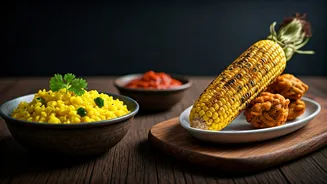
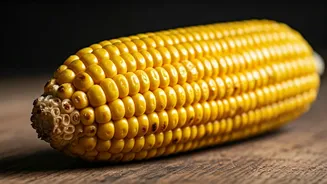
embers. This isn't just a food stall; it's a seasonal landmark. The ritual begins with you, the customer, picking your preferred cob—some like it young and tender, others prefer the mature, chewier kernels. The chosen one is then placed on the grill, its husk peeled back like a curtain revealing the pale yellow jewels within. The vendor fans the coals with a piece of cardboard, a rhythmic whoosh that coaxes the heat to life. The air fills with the sweet, smoky aroma of roasting corn, a scent that acts as an irresistible beacon, promising warmth and comfort.
A Symphony of Flavours
Watching the bhutta roast is an exercise in patience and anticipation. The kernels slowly transform, charring in spots, turning from pale yellow to a beautiful, toasted gold. The sizzle and pop are the soundtrack to this transformation. But the magic truly happens after it leaves the fire. The bhuttawala, with a practiced hand, takes half a lemon, dips it into a potent mixture of salt, red chilli powder, and chaat masala, and rubs it vigorously all over the hot cob. The heat from the corn activates the spices, releasing an intense, mouth-watering fragrance. That final squeeze of lime juice over the top cuts through the smokiness and spice, creating a perfect trifecta of flavours: smoky, spicy, and tangy. Each bite is an explosion—the initial burst of zesty lime, followed by the salty, spicy kick, and finally, the sweet, earthy flavour of the corn itself. It’s a multi-sensory experience that is both rustic and sophisticated.
More Than Just a Snack
Why does this simple treat hold such a special place in our hearts? Because bhutta is never just about the food. It's intrinsically linked to experiences. It’s the taste of the monsoon, enjoyed while huddled under an awning, watching the rain fall. It's the snack of choice during a long train journey, passed through a window at a rural station. It's the simple pleasure of a walk on the beach at dusk, with sand between your toes and a warm cob in your hand. For many, it’s a direct line to childhood—a memory of simpler times, of small allowances spent on this affordable luxury. In a world of complex, gourmet food trends, the bhutta remains a symbol of unpretentious joy. It connects us to the seasons, to the streets, and to a shared cultural experience that transcends age and social status.
The Classic vs. The Modern
Of course, corn has found its way into many other forms. The ubiquitous 'sweet corn cup' is a staple in malls and cinemas, where boiled kernels are tossed with butter, salt, and pepper, sometimes with more adventurous toppings. There are corn chaats, corn fritters, and even corn-based additions to pizzas and pastas. While these variations have their own appeal, they somehow don’t capture the elemental magic of the classic roasted bhutta. The modern versions often lack the smoky depth from the charcoal and the raw, direct application of spices. The boiled sweet corn is softer, sweeter, and arguably more convenient to eat. But it is the slight chewiness of desi corn, the charred bits that stick to your teeth, and the messy, hands-on process of eating it that make the original an enduring champion. It’s a primal experience that a plastic cup and spoon can never fully replicate.