






The Growing Challenge of Urban Flooding
Our cities are increasingly paved, concreted, and built-up. While essential for development, these impermeable surfaces prevent rainwater from soaking naturally into the ground. Instead, water rushes into stormwater drainage systems that were often designed
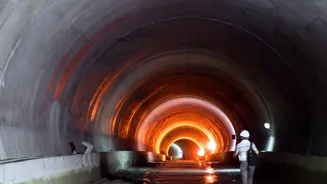
for a different era with less intense rainfall. As climate change leads to more frequent and extreme weather events, these legacy systems are easily overwhelmed. The result is predictable: flash floods that disrupt traffic, damage property, threaten lives, and bring entire cities to a standstill. Traditionally, municipalities have relied on reactive measures, such as post-flood cleanup and manual drain inspection, which do little to prevent the crisis in the first place.
A Shift From Reactive to Proactive
Smart urban sensors are changing the game by enabling a proactive approach to flood management. Instead of waiting for citizens to report a flooded street, this technology allows city officials to see a problem developing in real-time. These networks of sensors, powered by the Internet of Things (IoT), create a 'nervous system' for the city's water infrastructure, constantly feeding data to a central command centre. This allows for a data-driven strategy where decisions are based on live conditions rather than historical averages or guesswork. It represents a fundamental shift from cleaning up after a disaster to actively preventing it.
How the Technology Works
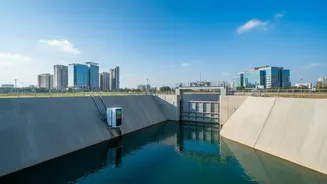
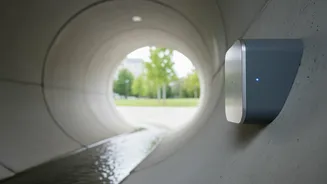
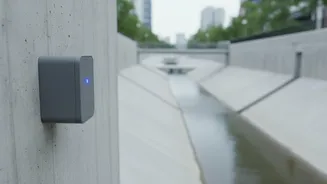
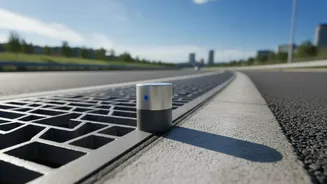
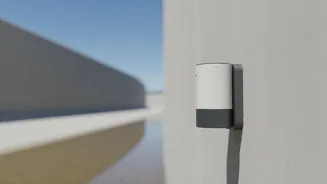
At its core, the system is surprisingly straightforward. Small, robust sensors are placed at strategic points within the city's drainage network, such as in manholes, canals, and riverbeds. These devices typically use ultrasonic or pressure sensors to measure the water level and flow rate. This information is then transmitted wirelessly, often via cellular networks, to a cloud-based platform. There, the data is collected and analysed, often with the help of artificial intelligence and machine learning algorithms. This continuous stream of information provides an up-to-the-minute picture of how stormwater is moving through the entire system.
Turning Data into Actionable Intelligence
Collecting data is only the first step; the real magic happens when it's put to use. The system can automatically detect rising water levels that indicate a potential blockage or an overloaded drain. This triggers an alert for maintenance crews, directing them to the precise location before a major overflow occurs. By analysing rainfall data alongside water levels, the system can predict which areas are most at risk of flooding and issue timely warnings to residents and emergency services via mobile apps or public announcements. In more advanced setups, the data can even be used to automatically control infrastructure like pumps and flood gates to divert water away from vulnerable areas.
Indian Cities Embracing the Future
This technology is not just theoretical; it's being implemented globally and in India. The city of Kolkata has implemented a comprehensive Flood Forecasting and Early Warning System to manage its recurrent flooding issues, with funding from the Asian Development Bank. Following devastating floods, Chennai has also been working to rejuvenate its water bodies as part of its Smart City Mission. While still in early stages, initiatives like the National Geospatial Mission aim to help more cities like Hyderabad and Ahmedabad adopt data-driven flood management. These projects demonstrate a growing recognition that smart technology is essential for building climate-resilient urban infrastructure.
The Road Ahead: Costs and Challenges
Despite the clear benefits, widespread adoption faces hurdles. The initial cost of purchasing and installing a network of sensors can be substantial for cash-strapped municipalities. Furthermore, these systems require ongoing maintenance to ensure the sensors remain accurate and functional, especially in harsh conditions like polluted sewage water. Data security and the need for skilled personnel to manage and interpret the information are also key considerations. However, as the cost of sensor technology decreases and the financial impact of urban flooding rises, the investment in these smart systems is becoming increasingly justifiable.