



The Science of Feeling 'Too Full'
When you consume a large, rich meal, your digestive system goes into overdrive. Foods high in fat, sugar, and refined carbohydrates, common in festive fare, require significant effort to break down. This process diverts a large amount of blood flow to your stomach
and intestines, which can make you feel sleepy and sluggish—a phenomenon often called a 'food coma'. Furthermore, a very full stomach can push against your diaphragm, making it feel harder to breathe and adding to the general discomfort. Large meals can overwhelm your digestive system, leading to bloating, indigestion, and gas as your gut bacteria work to ferment the excess food.
The Brain-Stomach Lag
There's a significant delay between when your stomach is physically full and when your brain receives the signal of satiety. It can take up to 20 minutes for the hormones that regulate hunger to tell your brain that you've had enough. During a festival, when you're surrounded by tempting dishes and eating faster than usual, it's easy to consume far more than you need before your brain can register fullness. This communication gap is a primary reason for accidental overeating. By the time you feel full, you've likely gone well past the point of comfort.
Benefits of Mindful Portioning
Adopting a 'smaller is better' approach isn't about deprivation; it's about enhancing your comfort and enjoyment. Eating smaller portions allows your digestive system to work more efficiently, improving nutrient absorption and reducing the chances of indigestion and heartburn. This practice, often called mindful eating, encourages you to savour each bite, paying attention to the flavours and textures of the food. When you eat slowly and deliberately, you give your brain a chance to catch up with your stomach, helping you recognise when you are comfortably satisfied rather than painfully stuffed. This mindful approach can reduce stress and improve your overall relationship with food.
Smart Strategies for the Festive Table
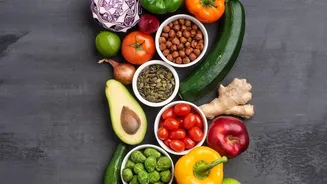
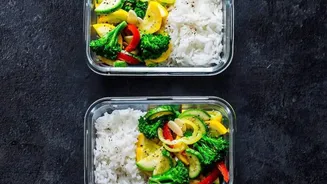
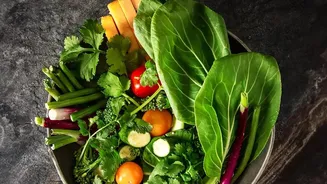
Navigating a festive spread without overindulging requires a little strategy. One of the simplest tricks is to use a smaller plate. A smaller surface area naturally helps control the amount of food you serve yourself without making you feel like you're missing out. Another effective tip is to start your meal with a glass of water and fill half your plate with vegetables or a light salad. This ensures you get fibre and nutrients first, which promotes fullness. Don't feel obligated to sample every single dish. Prioritise your absolute favourites and take a small serving of each. Finally, eat slowly and engage in conversation between bites. This not only aids digestion but also shifts the focus from just eating to enjoying the company and the occasion.
Rethinking 'Festive' Eating
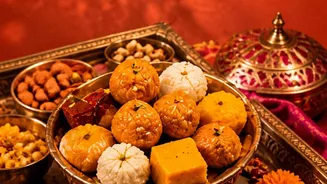
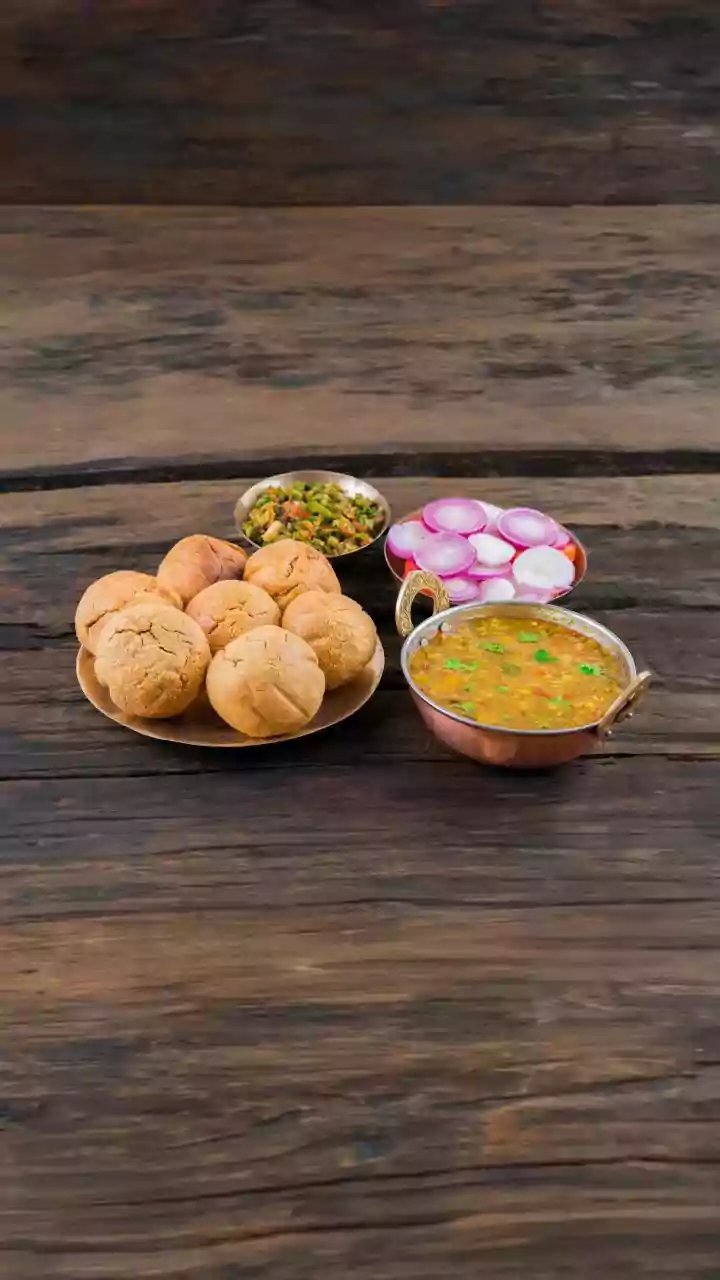
In India, festivals and food are deeply intertwined, with abundance often seen as a sign of prosperity and celebration. However, there is a growing awareness that health and celebration can go hand-in-hand. You can still honour tradition while being kind to your body. It's not about prohibiting certain foods but about balance and moderation. Sharing a meal is about connection, and that experience isn't diminished by smaller servings. In fact, by avoiding the discomfort of overeating, you're left with more energy to fully participate in and enjoy the festive activities with your loved ones.