






Why Your Gut Needs Extra Care
The rainy season creates a perfect environment for bacteria and viruses to thrive, increasing the risk of food and water contamination. According to Ayurveda, the body's digestive fire, or 'Agni', naturally weakens during this time due to the damp and humid
conditions. This can lead to common issues like bloating, indigestion, acidity, and a general feeling of heaviness. A compromised gut doesn't just affect your stomach; it can also weaken your overall immunity, making you more susceptible to seasonal illnesses. Therefore, focusing on foods that are easy to digest and support a healthy gut microbiome is crucial for staying energetic and well throughout the monsoon.
Embrace Probiotics like Dahi and Chaas
Probiotic-rich foods are your gut's best friend during the monsoon. Traditional Indian staples like dahi (curd) and chaas (buttermilk) are packed with beneficial bacteria that help maintain a healthy gut flora, aid digestion, and boost immunity. Dahi is a versatile food that can be enjoyed plain or as raita. Chaas, a refreshing drink made by diluting curd, is even lighter on the stomach and helps cool the body while preventing issues like bloating. These fermented foods restore the balance of good bacteria, which is often disrupted during this season. For an extra digestive boost, spice your chaas with roasted cumin (jeera) and a pinch of rock salt.
Harness the Power of Warming Spices
Spices are more than just flavour enhancers; they are potent digestive aids. Ginger, turmeric, cumin, and black pepper are particularly beneficial during the monsoon. Ginger is renowned for its anti-inflammatory properties and its ability to soothe nausea and indigestion. Turmeric contains curcumin, a powerful antioxidant that strengthens immunity against infections. Adding a pinch of black pepper enhances the absorption of curcumin, making the combination even more effective. Cumin (jeera) is a traditional remedy for bloating and acidity, helping to speed up a sluggish metabolism. Incorporating these warming spices into your daily meals, soups, and herbal teas can kindle your digestive fire and keep infections at bay.
Choose Light, Cooked Vegetables
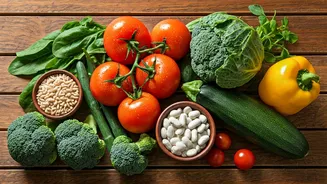
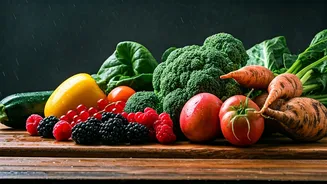
While leafy greens are generally healthy, they can be risky during the monsoon as they may carry germs and mud from contaminated water. It's wiser to opt for seasonal gourds that are light and easy to digest. Vegetables like lauki (bottle gourd), turai (ridge gourd), and pumpkin are excellent choices. It is best to consume vegetables that are steamed, boiled, or cooked in soups and stews rather than eating them raw. Cooking eliminates harmful microbes while preserving essential nutrients, making your meals both safe and nourishing. These vegetables are also hydrating and don't put a heavy load on a sensitive digestive system.
Rely on Comforting Moong Dal
When your stomach feels uneasy, there is nothing more comforting and healing than a simple bowl of khichdi made from moong dal. Moong dal is exceptionally light on the stomach, easy to digest, and a great source of protein. Whether prepared as a simple dal, a nourishing soup, or the classic khichdi with rice and a dollop of ghee, it provides sustained energy without overburdening your gut. According to Ayurveda, moong dal khichdi is considered an ideal meal during the rainy season because it helps balance the body and supports a weakened digestive system.
Sip on Herbal Teas and Warm Broths
Staying hydrated is key, but it's best to stick to warm liquids during the monsoon. Cold drinks can further dampen your digestive fire. Herbal teas made from ingredients like ginger, tulsi (holy basil), and fennel seeds are fantastic for soothing the stomach and boosting immunity. A warm cup of ginger tea can fight off colds and flu, while fennel helps relieve gas and bloating. Light, warm vegetable broths are another excellent way to stay hydrated and get nutrients in an easily absorbable form, offering comfort and healing from the inside out.