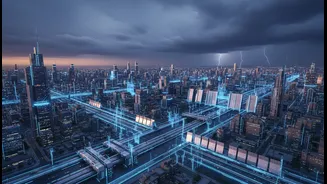





What Exactly Is Rainstorm Engineering?
You won't find "rainstorm engineering" as a formal degree. It's a broad, practical term for a holistic approach to managing stormwater. It combines civil engineering, hydrology, and urban planning to create cities that can better handle intense rainfall.
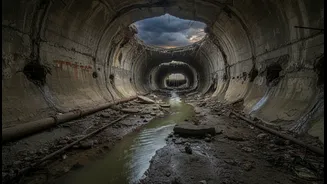
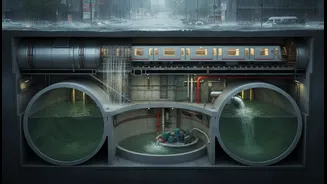
Think of it as moving from simply getting rid of water as fast as possible to intelligently managing it. Traditional systems, many designed in a different era, focus on a network of drains and pipes to channel water away. Rainstorm engineering, however, acknowledges that these old systems are often overwhelmed and asks a different question: how can our cities act more like a natural landscape? This means absorbing, cleaning, and sometimes even harvesting rainwater right where it falls.
Moving Beyond Bigger Drains
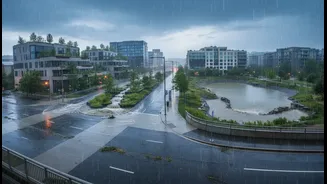
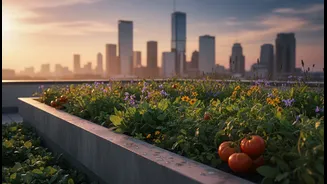
The old solution to flooding was to build bigger concrete drains. The new approach is smarter and greener. It's about turning our cities into "sponge cities" that can soak up water. This involves a suite of techniques known as Sustainable Urban Drainage Systems (SUDS). These include installing permeable pavements in parking lots and on footpaths that allow water to seep into the ground instead of running off. Another key component is green infrastructure, like rain gardens and bioswales—landscaped channels that slow down and filter stormwater. Even rooftops can play a role through 'green roofs' covered in vegetation that absorb significant amounts of rainfall. These nature-based solutions work together to reduce the volume of water rushing into drains during a downpour, easing the pressure on the entire system.
Why Now? The Twin Triggers
Two powerful forces have pushed rainstorm engineering into the spotlight: rapid urbanisation and climate change. India's cities are expanding at a breakneck pace, often replacing natural soil and wetlands with concrete and asphalt. These impervious surfaces prevent rainwater from being absorbed, dramatically increasing surface runoff. Bengaluru, for example, lost a significant portion of its lakes to encroachment, eliminating natural buffers against floods. Compounding this issue is the changing nature of the monsoon itself. Climate change is leading to more erratic and intense rainfall events—long dry spells broken by sudden, extreme downpours that dump a massive amount of water in a very short time. Studies show that for every degree Celsius of warming, monsoon rainfalls are projected to increase, making our already vulnerable cities even more susceptible to flooding.
Lessons from a Waterlogged India
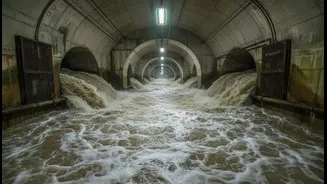
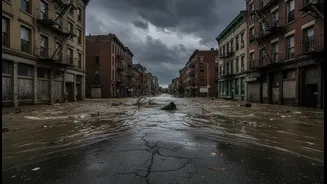
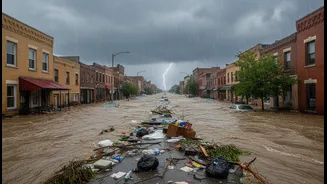
Recurrent urban floods in major Indian cities serve as a grim reminder of the cost of inaction. Events in Mumbai, Chennai, Bengaluru, and Delhi have shown that outdated drainage systems, designed for much lower rainfall intensity, are simply no match for modern deluges. In many cases, these systems are also choked with plastic waste and silt, further reducing their capacity. The 2005 Mumbai floods, which saw over 900 mm of rain in 24 hours, were a tragic wake-up call, causing immense loss of life and economic damage. More recent events continue to highlight the vulnerability of our urban centres, disrupting millions of lives and causing billions in damages. These disasters underscore the urgent need to shift from a reactive, crisis-management approach to a proactive, resilient design philosophy.
The Path Forward: Solutions and Hurdles
The good news is that this shift is beginning to happen. Cities are slowly incorporating SUDS principles into new developments and even retrofitting older areas. Rain gardens have shown excellent performance in Hyderabad, and there is growing recognition of the need to restore urban water bodies. The Smart Cities Mission provides an opportunity to integrate these modern drainage models into urban planning. However, the challenges are significant. Retrofitting densely packed, older parts of cities is complex and expensive. It requires strong political will, updated municipal master plans, significant funding, and, crucially, public participation. We need a mindset shift among citizens and planners alike—from fighting water to making space for it, from seeing rain as a nuisance to valuing it as a resource.