



A Hero's Controlled Farewell
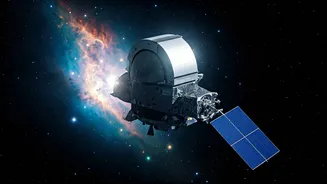
The Hubble Space Telescope isn’t “falling” in the way a dropped object plummets to the ground, but its orbit is slowly decaying. Since its launch in 1990, the school-bus-sized observatory has been circling Earth, but the faint drag from the very top of
our atmosphere has caused it to lose altitude. Without periodic boosts, which were last performed by a Space Shuttle crew in 2009, this decay is inevitable. An uncontrolled reentry would be a significant risk; while most of the telescope would burn up, some dense components could survive and reach the ground. To prevent this, NASA is proactively planning for a controlled deorbit, ensuring that one of science's greatest tools ends its journey safely over a remote stretch of the Pacific Ocean. This isn't a sign of failure, but an act of responsible space stewardship for a legendary mission.
Enter the Deorbit Vehicle
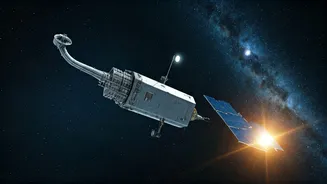
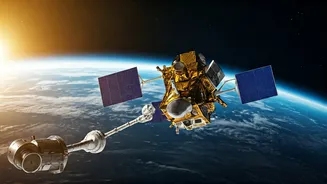
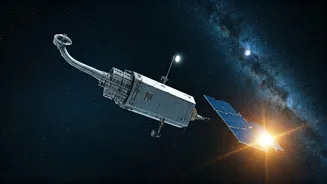
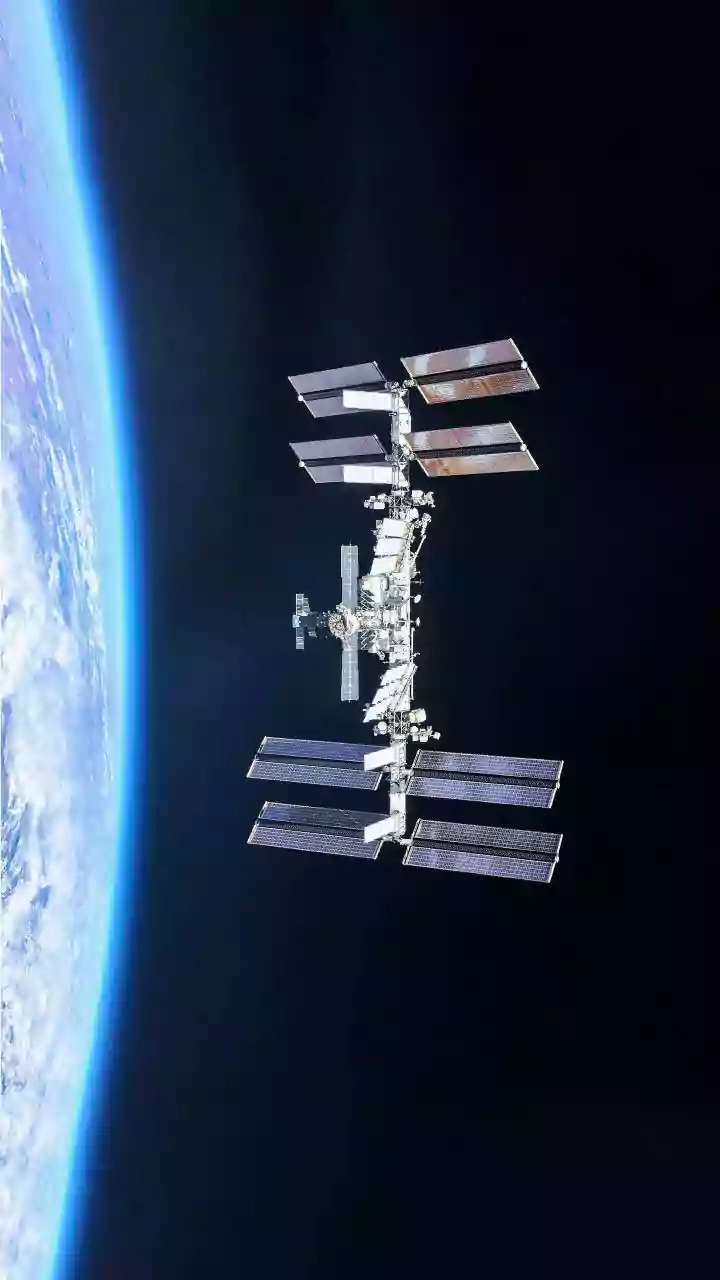
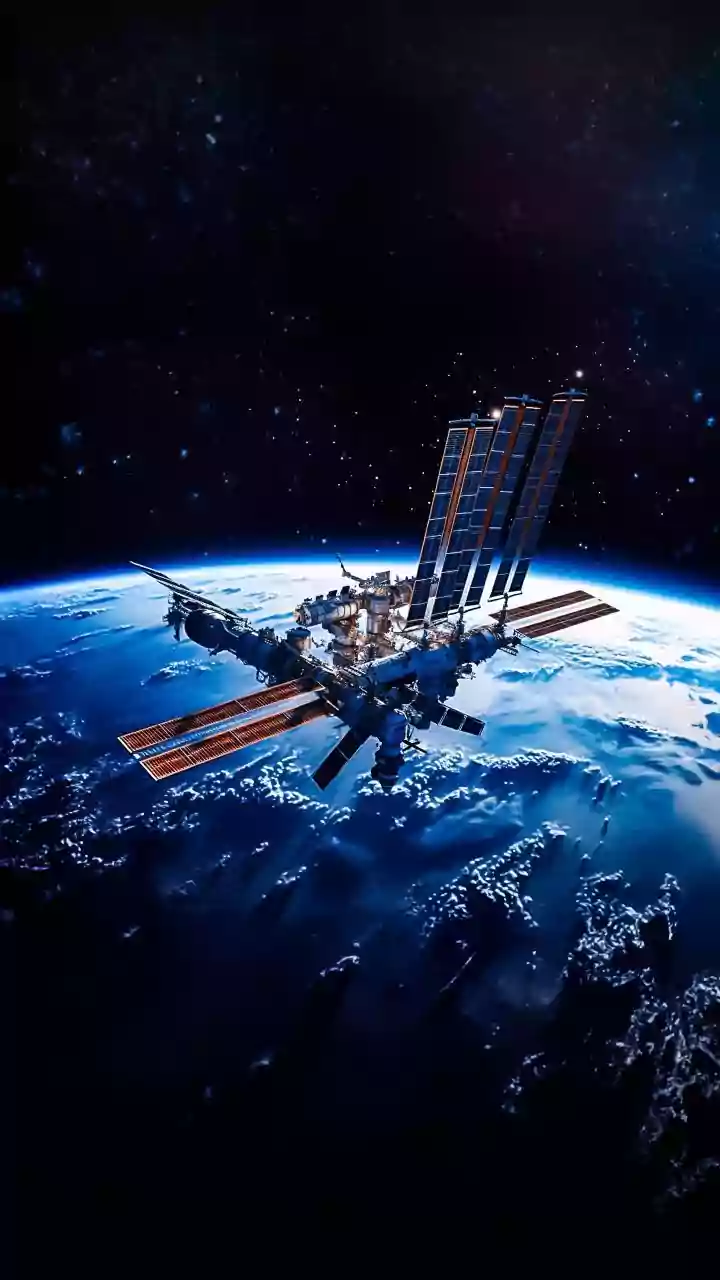
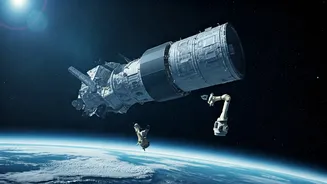
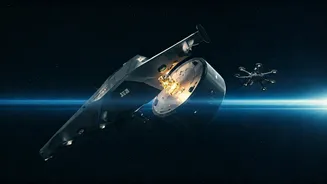
The 'fridge-sized link' from the headline is a U.S. Deorbit Vehicle (USDV), a new class of spacecraft essentially acting as a space tug. NASA has turned to the commercial aerospace sector to design and build this vehicle, signaling a new way of doing business for the agency. In June 2024, NASA awarded a contract to SpaceX to develop a vehicle for the far larger task of deorbiting the International Space Station, based on its Dragon spacecraft. While the Hubble mission is distinct, the principle is the same: procure a specialized service from a commercial partner. The vehicle's job will be to rendezvous with Hubble, securely attach itself, and then use its own engines to perform the final, critical maneuver that guides the telescope into the atmosphere. The mission represents a key test for a burgeoning market in on-orbit services, from repair and refueling to debris removal and, in this case, responsible disposal.
The Challenge of the 'Chase'
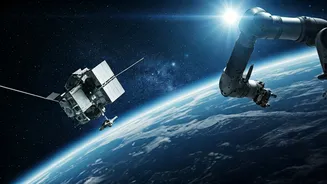
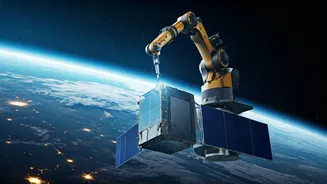
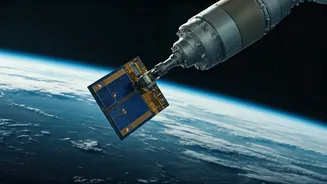
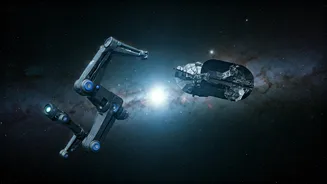
The 'chase' and capture of Hubble is a complex engineering challenge. The telescope was designed for servicing by astronauts in the Space Shuttle's payload bay, not for an automated docking with a robotic vehicle. The deorbit vehicle will have to autonomously approach and grapple onto a 30-plus-year-old spacecraft that could potentially be in a slow tumble. Engineers must develop a robust system to latch onto a part of the telescope that was never intended as a docking port. Previous studies have examined using robotic arms or specialized docking adapters to make the connection. Once attached, the combined stack of the telescope and the deorbit vehicle becomes a new object that must be precisely controlled for the final burn. It's a high-stakes celestial maneuver that will be performed remotely, hundreds of miles above the Earth.
A New Business Model in Orbit
This mission is more than just the end of Hubble; it’s a precedent for the future of the low Earth orbit economy. As thousands of new satellites are launched, the problem of what to do with them at the end of their lives becomes critical. Missions like this prove the technology and business case for on-orbit servicing and end-of-life solutions. Companies like Northrop Grumman and Astroscale are already developing life-extension vehicles and debris-removal technologies. NASA's decision to procure this capability commercially, as it has for cargo and crew delivery to the ISS, helps stimulate this new market. By acting as a key customer, NASA is helping to build a sustainable commercial space ecosystem where tasks like refueling, repairing, and deorbiting satellites become routine services that companies can sell to both government and private satellite operators.