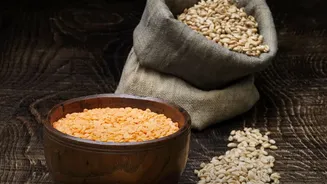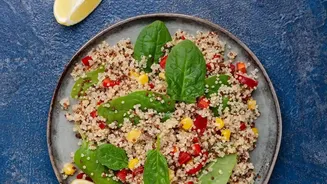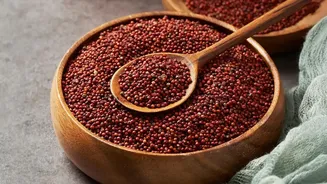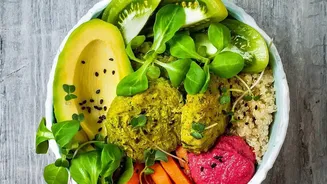

In the world of healthy eating, quinoa often wears the crown, celebrated as a complete protein powerhouse. Lentils, meanwhile, are the reliable, budget-friendly pantry staple. But when you put them head-to-head, the nutritional winner isn't so clear.
The 100-Gram Comparison
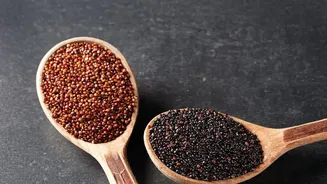
On paper, especially when you compare them in their dry, uncooked state, the two seem to be in a close race. Nutrition labels often standardize information by a 100-gram measure. In this scenario, quinoa presents a strong case with its complete protein profile, meaning it contains all nine essential amino acids our bodies can't produce on their own. Lentils, while high in protein, are technically incomplete. However, looking at the numbers per 100 grams of cooked product tells a different story. Lentils pull ahead significantly on protein, offering about 9 grams compared to quinoa's 4.4 grams. They also boast more than double the dietary fiber. This is the first clue that a simple label-to-label comparison might be misleading.
The Magic of Cooking
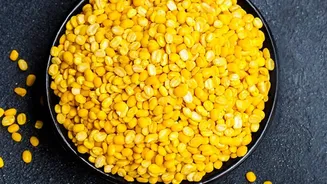
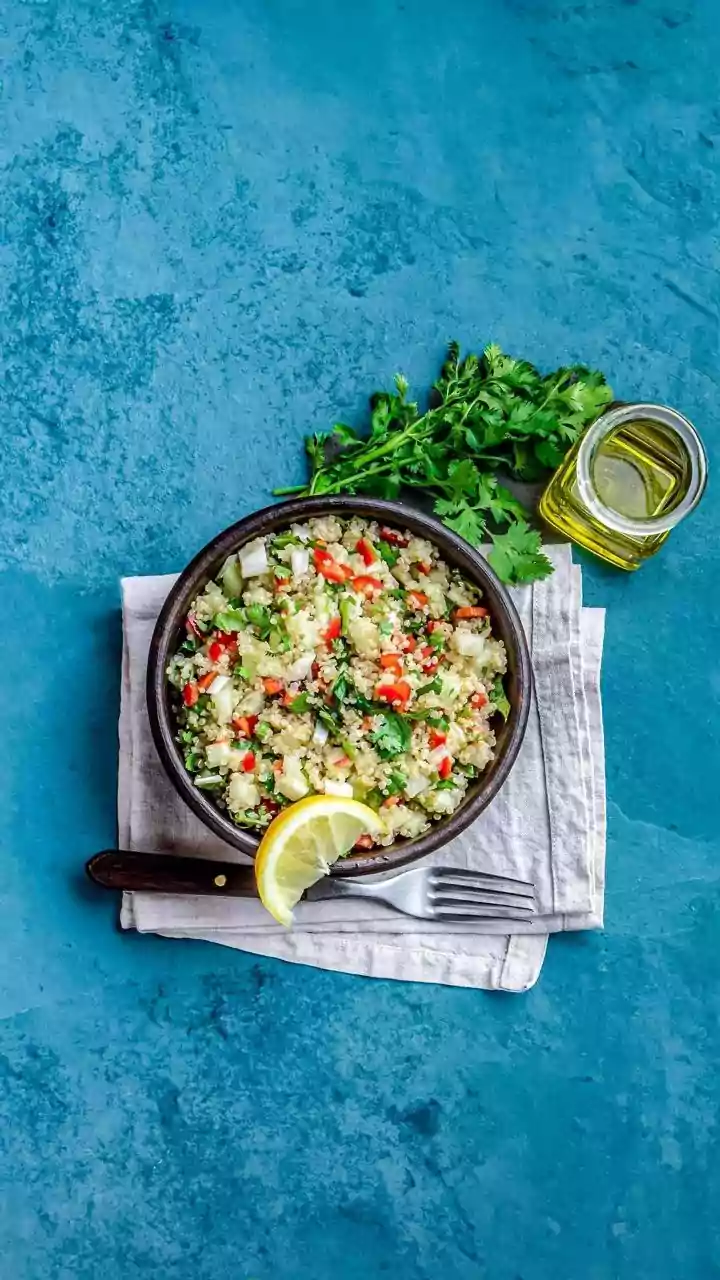
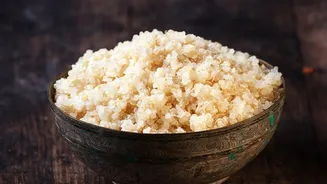
The real game-changer is what happens when you add water. Both quinoa and lentils expand as they cook, but not by the same amount. One cup of dry quinoa can swell to three or even four times its original volume, absorbing a large amount of water. Lentils also expand, but typically only to about two-and-a-half or three times their dry volume. This difference in water absorption is critical. Since the nutritional value is in the seed or lentil itself, not the water, the more it expands, the more 'diluted' the nutrients become in a given volume, like a scoop or a cup. This is why a comparison of equal volumes after cooking is the most realistic way to understand what you're actually putting on your plate.
A Cup-for-Cup Showdown
When you compare one cup of cooked quinoa to one cup of cooked lentils, the nutritional landscape shifts dramatically in favour of lentils. A cup of cooked lentils packs a powerful punch with nearly 18 grams of protein and about 16 grams of fiber. In contrast, a cup of cooked quinoa provides around 8 grams of protein and 5 grams of fiber. So, on a cup-for-cup basis—which is how most of us serve these foods—lentils deliver more than double the protein and triple the fiber. For anyone focused on hitting protein targets or improving gut health with fiber, lentils are the clear volumetric winner.
Beyond Protein and Fiber
Nutrition is more than just macros. Quinoa's main advantage remains its status as a complete protein, a rarity in the plant world. This makes it an incredibly convenient option for vegetarians and vegans. It's also richer in magnesium, a mineral vital for muscle function and energy production. Lentils, however, dominate in other micronutrient categories. They are an absolute powerhouse of folate, with a single cooked cup providing up to 90% of the daily recommended intake. They are also significantly higher in iron and potassium than quinoa. From a cost perspective, lentils are also far more budget friendly, making them one of the most cost effective nutrient dense foods available.
Which One Is Right for You?
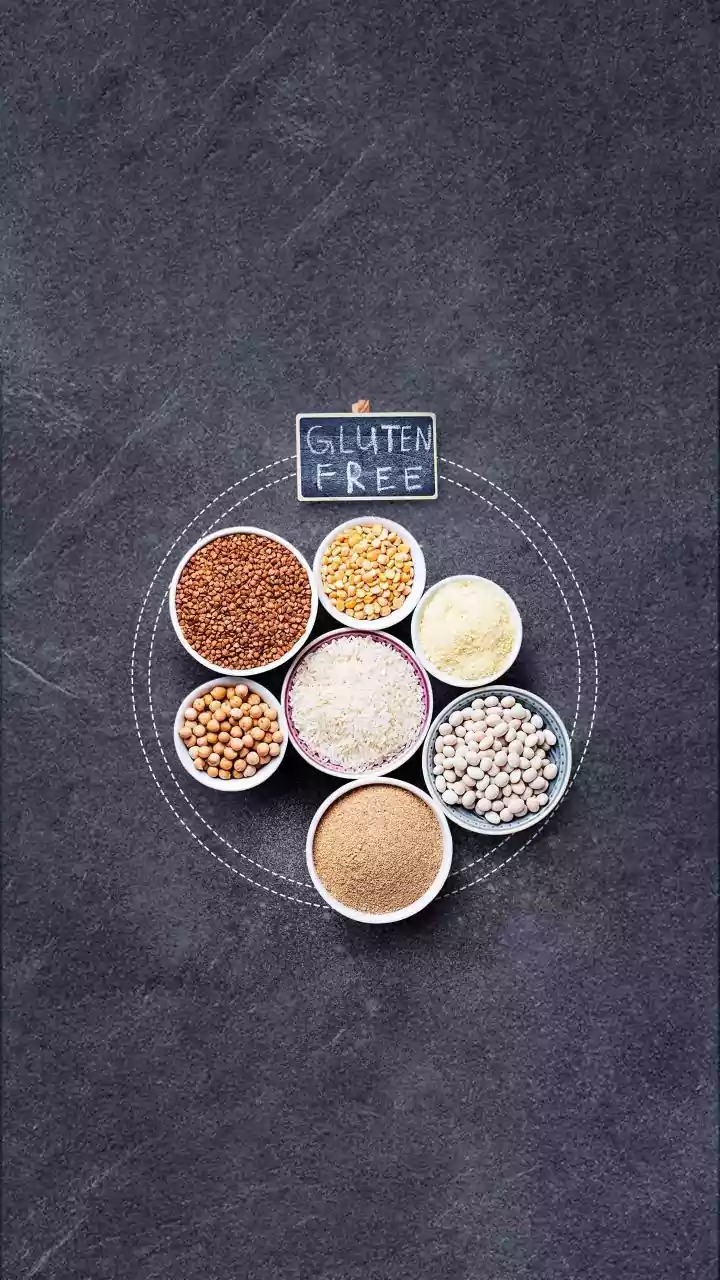
Ultimately, the choice between quinoa and lentils isn't about declaring one 'better' than the other. It's about aligning your food choices with your personal health goals. If your primary goal is to consume a complete protein in a single food, perhaps after a workout or as a simple meal base, quinoa is an excellent choice. If you're looking to maximize your protein and fiber intake per serving to feel fuller for longer, support digestive health, or manage blood sugar, lentils are the superior option. Their low glycemic index and high fiber content make them particularly beneficial for sustained energy. Both are gluten free, versatile, and worthy additions to any healthy diet.