


What Exactly Is a Chilla?
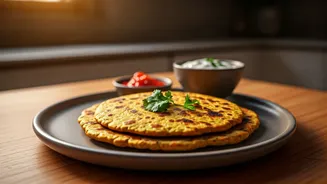
Think of a chilla as India’s answer to the pancake or crêpe, but with a savoury twist. At its core, it's a simple, thin pancake made from a batter of gram flour, known as besan. While besan chillas are the most common, variations using moong dal (mung
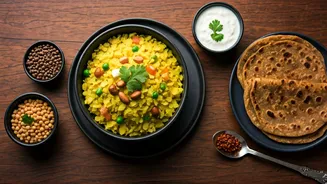
bean) or other lentil flours are popular across the country. Unlike its sweet Western counterparts often drenched in syrup, the chilla is seasoned with spices like turmeric, ajwain (carom seeds), and chilli. It’s a breakfast staple in many Indian households, loved for its simplicity, versatility, and satisfying flavour. It can be eaten plain, stuffed with paneer or vegetables, or served alongside chutney or yogurt.
The Nutritional Powerhouse
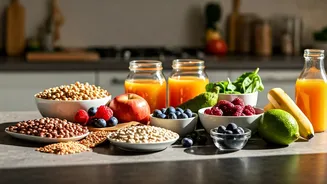
The humble besan that forms the base of a chilla is a nutritional giant. Derived from chickpeas, gram flour is naturally gluten-free and packed with plant-based protein and dietary fibre. This powerful combination is the key to why chillas are so effective at 'powering' a busy morning. The protein and fibre work together to promote satiety, keeping you feeling full and satisfied for hours. This helps prevent the mid-morning energy crash and unhealthy snacking that often follow a sugary, carb-heavy breakfast like cereal or toast. Furthermore, besan has a lower glycemic index, meaning it releases sugar into the bloodstream more slowly, providing a steady and sustained source of energy.
Built for the Morning Rush
Here is where the chilla truly shines for anyone short on time. Preparing the batter takes less than five minutes: simply whisk besan with water, add spices and salt, and you're ready to cook. For those who want to be even more efficient, the dry mix of flour and spices can be prepared in a large batch and stored in an airtight container. In the morning, just scoop out what you need and add water. The cooking process is equally swift. A chilla cooks in about two to three minutes per side on a hot pan. In less than 15 minutes, you can have a stack of fresh, hot chillas ready for the whole family, making it a genuinely practical solution for chaotic weekdays.
The Secret to Crispy Perfection
While a soft chilla is perfectly pleasant, a crispy one is a game-changer. Achieving that delightful crunch isn’t difficult but requires a few key techniques. First, get the batter consistency right. It should be smooth and pourable, similar to crêpe batter—not thick and gloopy like American pancake batter. If it's too thick, the chilla will be dense and soft. Second, ensure your pan (a non-stick tava or skillet is ideal) is properly hot before you pour the batter. A drizzle of ghee or oil helps create a crisp exterior. For an extra crunch, many home cooks add a tablespoon of rice flour or fine semolina (suji) to the besan batter. This is the ultimate secret weapon for a guaranteed crispy edge every time.
Endless Ways to Customise
The basic chilla is a fantastic canvas for culinary creativity. You can easily elevate it by adding finely chopped vegetables directly into the batter. Onions, tomatoes, coriander, spinach, grated carrots, and capsicum are all excellent choices that add flavour, texture, and an extra dose of nutrients. For a more substantial meal, use the chilla as a wrap. Once cooked, fill it with spiced paneer crumble, sautéed mushrooms, or even leftover sabzi from the night before. You can adjust the spices to your liking—add more green chillies for heat, a pinch of garam masala for warmth, or some grated ginger for a zesty kick. The possibilities are limited only by your imagination and the contents of your fridge.