



First Step: Waterproofing Your Foundation
Before you add a single pot, protecting your home is paramount. A terrace garden involves constant moisture, which can seep into the concrete slab and cause significant damage to your building over time. Start by thoroughly cleaning the terrace surface
and repairing any existing cracks. Applying a high-quality waterproof polymer coating is essential. For robust protection, consider a multi-layer system, which may include a liquid-applied membrane that forms a seamless barrier, followed by a root-barrier sheet to prevent plants from damaging the waterproof layer. This crucial first step ensures your green retreat doesn't create structural problems down the line.
Cooling the Concrete Canvas
A bare concrete terrace absorbs and radiates immense heat, making the space and the rooms below uncomfortably warm. An effective strategy is to apply a heat-reflective paint or a white roof coating. These specialised coatings are designed to reflect a large portion of sunlight, which can significantly reduce the surface temperature. Another powerful method is creating shade. Simple additions like bamboo screens, pergolas, or even a strategically placed large umbrella can block direct sunlight and make the area instantly more pleasant. Combining these techniques with the cooling effect of plants will create a truly comfortable retreat.
Choosing Monsoon-Happy Plants
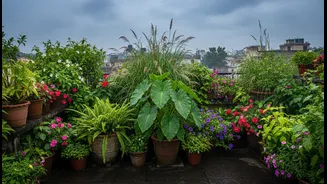
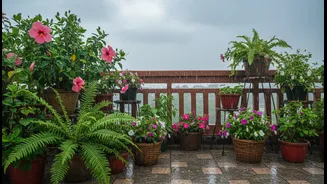
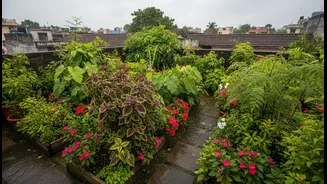
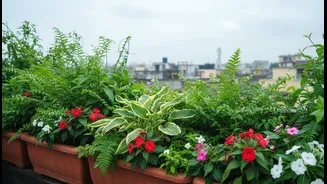
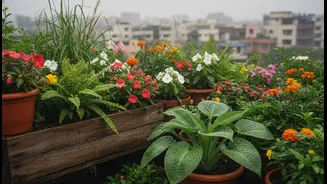
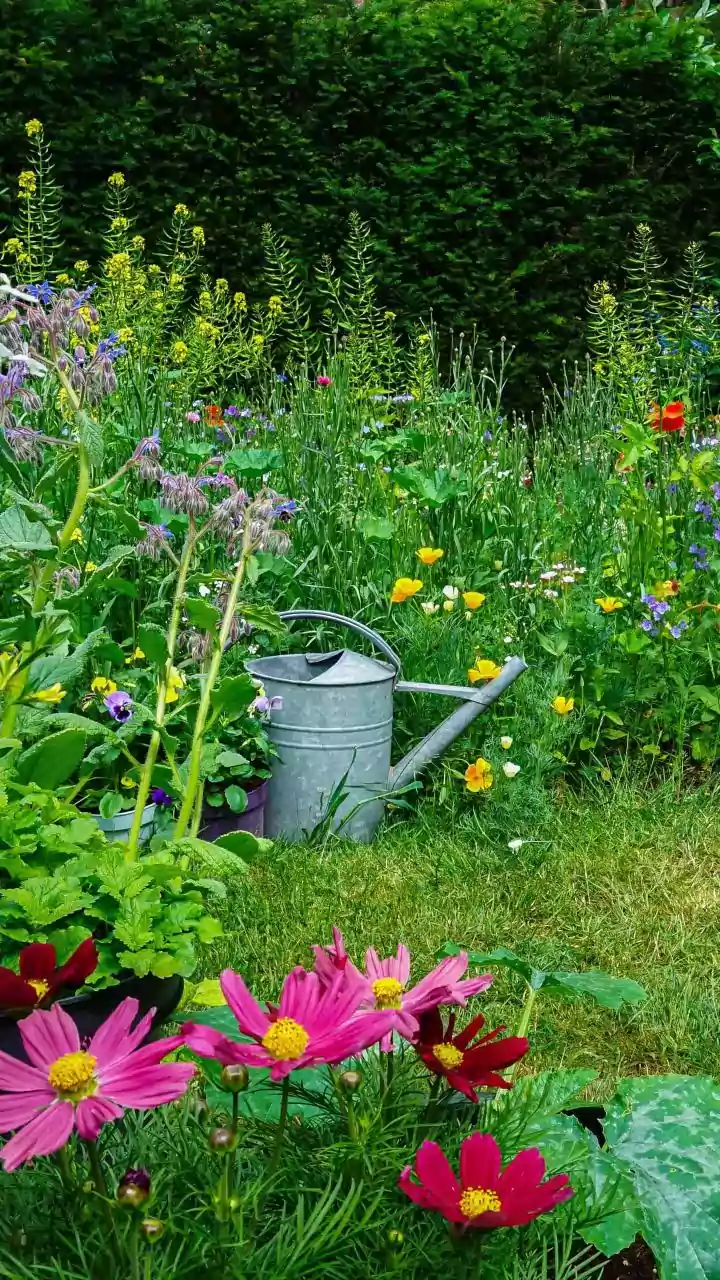
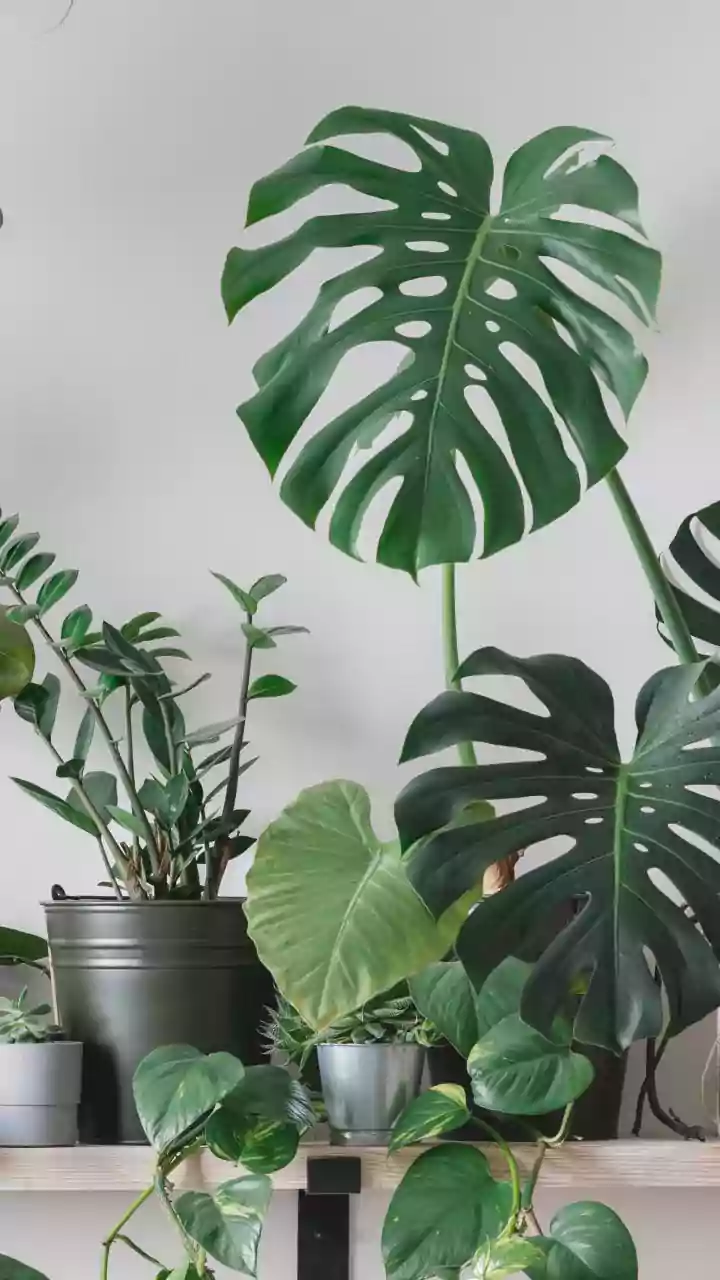
The rainy season in India is a fantastic growing period if you choose the right plants. Many species thrive in the high humidity and regular watering the monsoon provides. For vibrant flowers, consider hibiscus, rain lilies, and balsam, which are known to flourish during this time. Fragrant options like mogra (Arabian Jasmine) and gardenia love the humidity and will fill your terrace with a delightful scent. For lush foliage, ferns, areca palms, and money plants are excellent choices that create a tropical feel. If you want to grow edibles, monsoon is the perfect time for ginger, turmeric, amaranth (chauli), and various gourds.
The Right Pots and Soil Mix
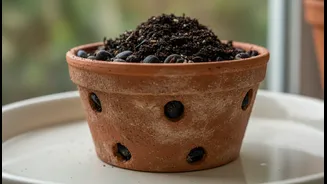
Container choice is critical during the rainy season to prevent waterlogging, which can lead to root rot. Ensure every pot has drainage holes. You can even elevate pots on bricks or stands to help excess water escape freely. Terracotta pots are a good choice as they are porous, but lightweight grow bags are also excellent for drainage. Avoid using heavy garden soil, which compacts easily and puts a strain on your roof. Instead, opt for a lightweight, well-draining potting mix. A good combination includes coco peat, compost, and perlite, which holds moisture without becoming soggy and provides essential nutrients for your plants.
Designing Your Green Retreat
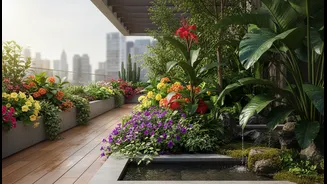
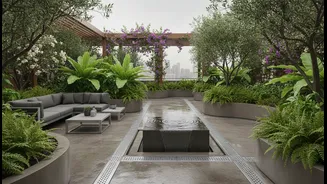
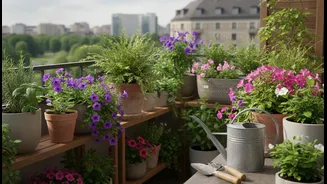
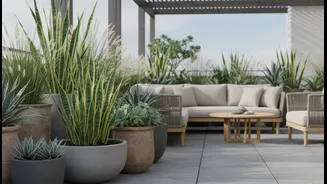
To complete the transformation from a concrete slab to a green sanctuary, think beyond just the plants. Use vertical space to maximise greenery without cluttering the floor. Wall-mounted shelves, railing planters, and trellises for climbing vines like aparajita (Clitoria ternatea) can create a lush, living wall. Keep furniture minimal and functional; a small table and a pair of comfortable chairs might be all you need. Consider adding an outdoor rug or interlocking deck tiles to soften the hard floor and define a seating area. Finally, simple additions like solar-powered string lights or lanterns can create a magical ambience for enjoying your cool, green terrace on pleasant evenings.