



The Joy of a Kitchen Calendar
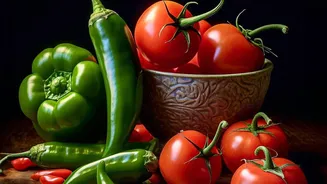
Creating a produce calendar may sound complicated, but it's simpler than you think. India's vast and varied climate means a single national chart is a myth; what's in season in Maharashtra might not be in Punjab. The best approach is to observe your local
vegetable vendor or 'sabzi mandi'. Broadly, Indian produce can be mapped across three main seasons: Summer (March-July), Monsoon (July-November), and Winter (November-March). Your goal is to map these seasons to the meals you already love—curries, stir-fries (sabzis), snacks, and tiffin boxes.
Summer Bounty (March – July)
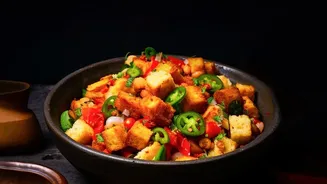
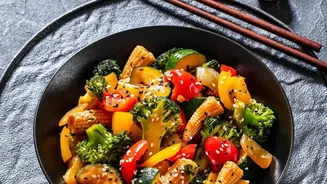
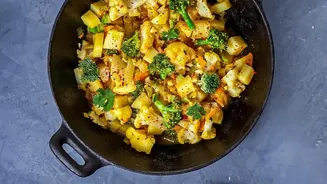
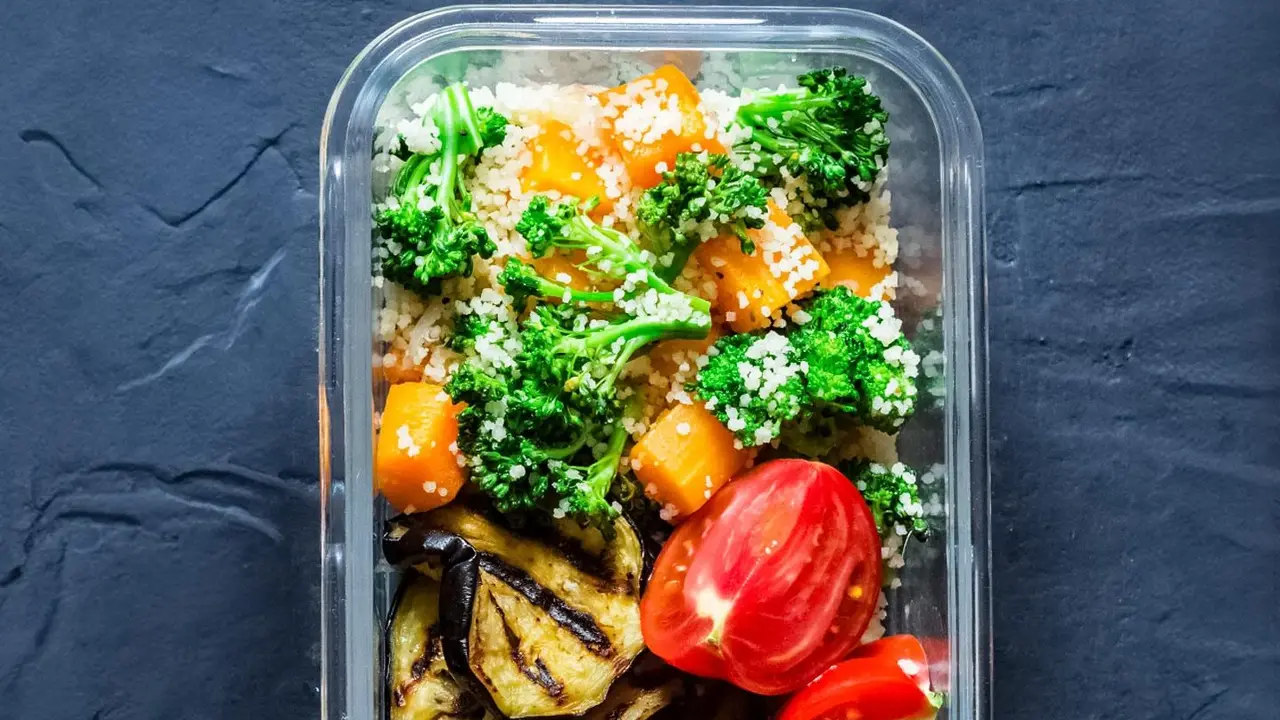
Summer is the season of intense heat and hydrating produce. Gourds and melons are abundant, offering a cooling effect. Curries: Focus on light, water-based gravies. Lauki (bottle gourd), turai (ridge gourd), and kaddu (pumpkin) are perfect. A simple lauki curry or a tangy tamarind-based pumpkin curry is both refreshing and seasonal. Stir-Fries: Quick stir-fries are ideal for summer. Think bhindi (okra) masala, a simple cucumber stir-fry, or beans poriyal. These require minimal cooking time, keeping your kitchen cool. Snacks: This is the time for nature's sweetest gifts. Mangoes, watermelons, and litchis are at their peak. Enjoy them fresh, or make a simple fruit salad or aam panna. Cucumber slices with salt and pepper are a classic hydrating snack. Packed Meals: Curd rice is a summer saviour. Pack it with grated cucumber or pomegranate seeds. Lemon rice, paired with a light gourd sabzi, also makes for a refreshing and easy-to-digest lunch.
Monsoon Harvest (July – November)
The monsoon brings relief from the heat and a new array of vegetables. This is the time for earthy flavours and immunity-boosting foods. Curries: Root vegetables and gourds that thrive in the humid weather take centre stage. Prepare curries with arbi (taro root), jimikand (yam), and parwal (pointed gourd). These vegetables hold up well in robust, spiced gravies. A hearty parwal curry or a simple snake gourd kootu are excellent choices. Stir-Fries: Bhindi and karela (bitter gourd) are monsoon staples. A crispy bhindi fry or a stuffed karela sabzi provides both texture and flavour. Corn also becomes widely available, perfect for a quick corn and capsicum stir-fry. Snacks: The quintessential monsoon snack is roasted corn on the cob (bhutta). Another favourite is pakoras, made with anything from onions to spinach. Seasonal fruits like jamun, plums, and peaches are also at their best during this time. Packed Meals: Pulaos packed with monsoon vegetables are a great option. A simple corn pulao or a mixed vegetable tahiri using seasonal produce can be a comforting and wholesome lunch.
Winter Wellness (November – March)
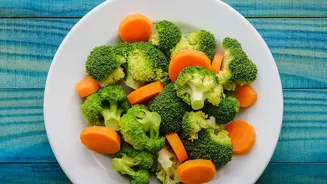
Winter brings a vibrant and dense harvest, especially leafy greens and sweet root vegetables. These foods are naturally warming and nutrient-dense, perfect for the colder months. Curries: This is the season for rich, nourishing curries. Sarson ka saag (mustard greens curry) is a North Indian classic. Other leafy greens like palak (spinach) and methi (fenugreek) are perfect for dishes like palak paneer or methi malai matar. Undhiyu, a mixed vegetable delicacy from Gujarat, is another winter specialty. Stir-Fries: Sweet winter carrots, green peas, and cauliflower are ideal for dry sabzis. A simple Gajar Matar (carrot and peas) or Aloo Gobi (potato and cauliflower) tastes best when made with fresh winter produce. Snacks: Gajar ka Halwa is the definitive winter dessert, made when carrots are at their sweetest. Sweet potato (shakkarkand) chaat is another popular and healthy snack. The markets are also full of citrus fruits like oranges and kinnow, as well as guavas and strawberries. Packed Meals: Methi thepla or palak paratha are perfect for lunch boxes, staying soft for hours. A colourful beetroot pulao or a simple matar pulao are also excellent, nutritious options that capture the essence of winter.