



Beyond the Universal Curry Powder
For years, a dusty jar of ‘curry powder’ or a single-note garam masala was the default for adding an “Indian” touch to a dish. But this approach overlooks the vast and complex tapestry of Indian cuisine, where every region, and often every family, has
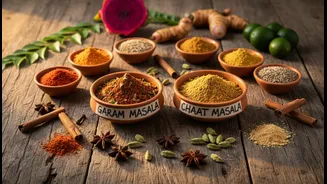
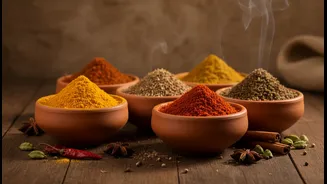
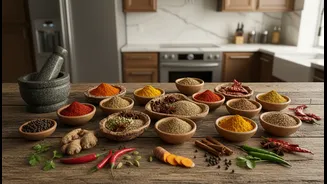
its own signature spice blends. Indian cooking is not about a single flavour profile but a layered art form, and the soul of this art lies in its masalas. Today, a quiet revolution is taking place on menus and in kitchens. Chefs are championing the use of specific, traditional spice mixes, not just to recreate classic dishes, but to bring a genuine sense of place and history to entirely new fusion creations. This shift moves away from a monolithic idea of Indian food and toward a celebration of its profound diversity.
A Journey Through Regional Flavours
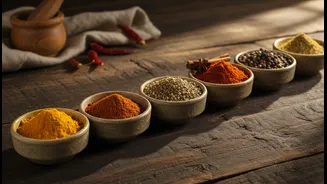
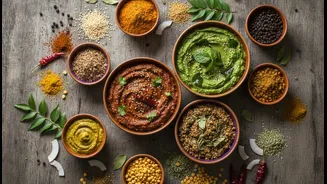
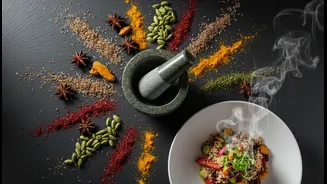
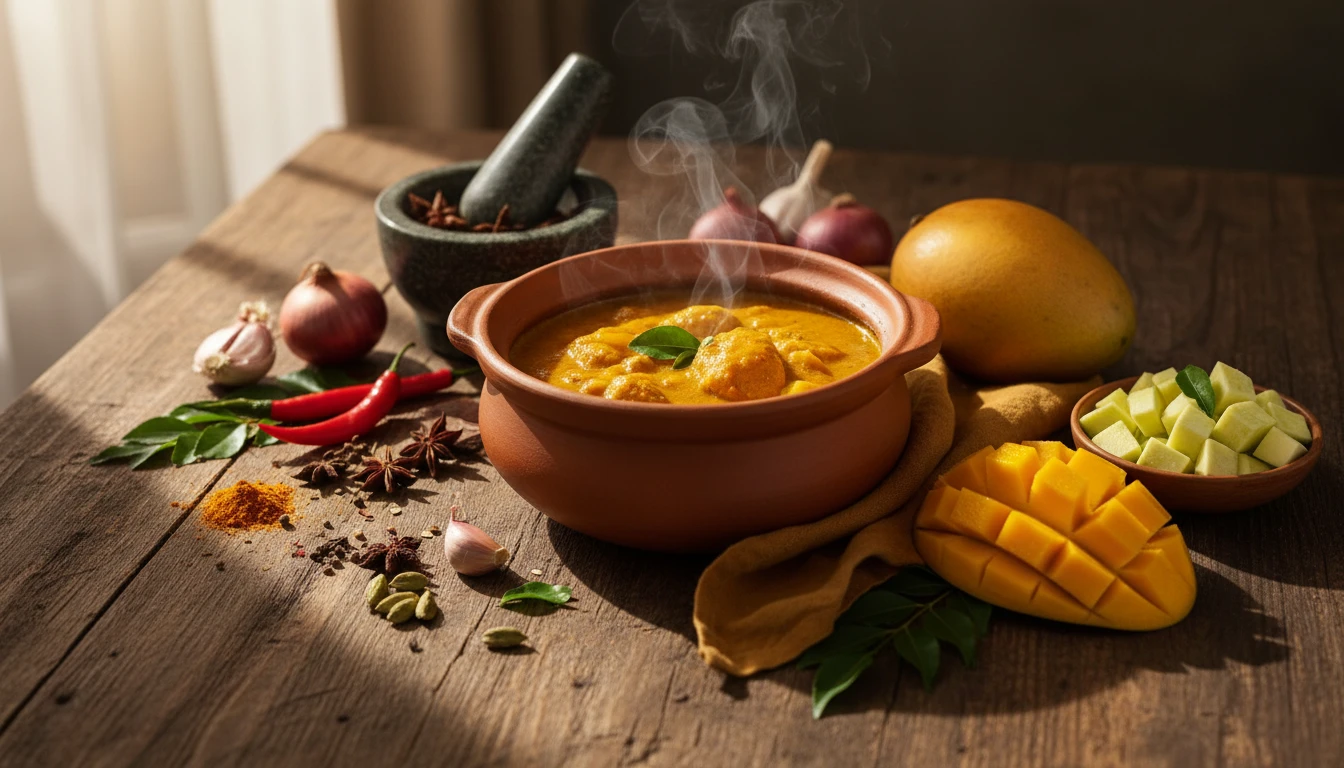
Consider the Goda Masala of Maharashtra, a blend worlds away from the pungent heat of a typical garam masala. Its name translates to “sweet masala,” defined by the aromatic warmth of ingredients like roasted coconut, sesame seeds, and the distinctively earthy dagad phool, or stone flower. It’s designed to build mellow, deep flavour throughout the cooking process. Then there’s the legendary East Indian Bottle Masala, a secret of Mumbai's East Indian Catholic community. Containing anywhere from 20 to 40 different spices, this complex, brick-red powder is a fiercely guarded family heirloom, traditionally stored in dark beer bottles to protect its potent flavour. In the South, you find the entire category of podis. The word simply means “powder,” but it encompasses an ecosystem of roasted lentil and spice blends that act as powerful condiments. The most famous, milagai podi or “gunpowder,” is a fiery, coarse mix of dals and red chillies that can transform a simple dish with a single spoonful.
Authenticity in a Modern Context
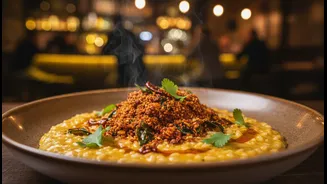
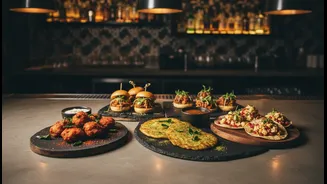
But how can a dish be both fusion and authentic? The answer lies in the integrity of the ingredients. When a chef uses Maharashtrian Goda Masala to crust a piece of seared salmon or sprinkles a South Indian podi over avocado toast, they are not creating a gimmick. They are introducing a story. The authenticity comes from using a spice blend that has a specific cultural identity and a history rooted in a particular place. It’s an act of respect for the ingredient's origin, even as it’s being introduced into a global conversation. This approach creates a more thoughtful fusion—one that honours tradition while daring to innovate. It proves that local ingredients and heritage recipes can shine on the world’s culinary stage without losing their soul.
The Chefs and Palates Driving the Trend
This movement is being led by a generation of chefs who are looking back at their own heritage for inspiration. They are digging into their grandmothers’ recipes and rediscovering forgotten flavours, driven by a desire to present a more nuanced and honest picture of Indian cuisine. This is happening in tandem with a dining public that has become more knowledgeable and adventurous. Diners are no longer content with a one-dimensional representation of Indian food; they crave specificity and stories. The rise of chefs like Sujan Sarkar, whose Michelin-starred restaurant in Chicago celebrates regional specialties, shows a clear appetite for this deeper exploration. The result is a richer, more exciting culinary landscape where a taste of a specific Indian region is no longer thousands of miles away, but right there on your plate.