







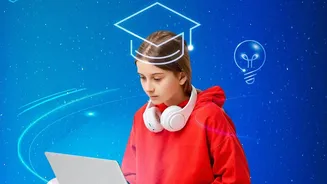
The Digital Classroom's Double-Edged Sword
The transition to online education, accelerated by the pandemic and now a recurring feature due to issues like pollution, has fundamentally altered childhood. While it offers continuity in learning, it has also tethered children to devices for unprecedented
hours. Experts note that this constant digital engagement contributes to mental fatigue, irritability, and a blurred line between school and home life. A Delhi government study found that half of the students surveyed felt 'irritated and frustrated' with online learning. The format often requires immense self-discipline, and many children struggle to focus for long durations, leading to academic stress and a sense of inadequacy.
The Isolation of Indoor Life
Beyond academics, a significant part of a child's development happens through social interaction—the unstructured play, conversations, and negotiations with peers. Increased indoor time, whether due to lockdowns or severe air quality warnings in Delhi, has created a social void. This isolation is a key factor behind rising anxiety. Child health specialists observe that when children can't go outside, they turn to screens for entertainment and connection, which can foster dependence. This lack of face-to-face interaction can stunt the development of crucial social and emotional skills, with some experts noting that children may struggle with their emotional and social quotients later in life.
What The Experts Are Observing
Mental health professionals in Delhi and across India are witnessing a surge in children presenting with anxiety-related symptoms. These include disturbed sleep patterns, social withdrawal, lack of interest in hobbies, and even physical complaints like headaches or stomach aches, which can be manifestations of psychological distress. A study published in the Industrial Psychiatry Journal highlighted growing parental concern over their children's inability to regulate screen use, which interferes with daily routines and well-being. The 'fear of missing out' (FOMO) and the pressure for online validation from social media can create a constant state of anxiety for children and adolescents. This is compounded by the blue light from screens disrupting melatonin production, which is essential for healthy sleep.
A Path Forward for Parents
While the challenges are significant, experts emphasize that parents can take proactive steps. The solution isn't to demonize technology but to create a balanced lifestyle. Establishing clear rules around screen time, such as 'no-screen' mealtimes and designating gadget-free zones like bedrooms, can be highly effective. It is crucial for parents to model this behaviour themselves, as children often imitate what they observe. Encouraging offline hobbies, ensuring at least an hour of physical activity, and pursuing activities like board games or reading can provide healthy alternatives to screen-based entertainment. Open communication about what children are experiencing online is also vital to building digital resilience.
Building Resilience and Seeking Support
Parents are encouraged to create a family schedule that balances education, recreation, and rest. The Indian Academy of Pediatrics suggests teaching children the 20-20-20 rule: for every 20 minutes of screen time, look at something 20 feet away for 20 seconds to reduce eye strain. Involving children in planning their own routines can also lead to better adherence. For families where anxiety and stress become overwhelming, seeking professional help is a crucial step. Child psychologists in Delhi offer services like Cognitive Behavioral Therapy (CBT) and family counseling to help children develop coping mechanisms and manage their emotional well-being.