






The Living Room is the New Multiplex
The most obvious shift has been from the theatre seat to the sofa. Streaming platforms like Netflix, Amazon Prime Video, and JioHotstar have transformed film-watching from a scheduled, public event into a deeply personal, on-demand experience. This convenience
factor, accelerated during the pandemic, has permanently altered viewing habits. Instead of planning an outing, audiences now have access to a vast library of content at their fingertips, ready to be watched anytime, anywhere. This has led to the rise of 'binge-watching' and a preference for consuming content on personal devices, although studies show many still prefer the big-screen experience of a television at home.
Beyond Bollywood: The Regional Revolution
For decades, Bollywood was the undisputed king of Indian cinema. Streaming has changed that by democratizing content discovery. With subtitles and dubbing breaking down language barriers, audiences are exploring films from across the country. South Indian cinema, in particular, has seen a massive surge in nationwide popularity, with its films frequently dominating viewership charts on major platforms. In 2025, regional language content accounted for over half of all content produced for digital platforms. This has given a monumental platform to Tamil, Telugu, Malayalam, and Kannada films, turning regional stories into national cultural events and proving that a compelling narrative transcends language.
A New Kind of Stardom
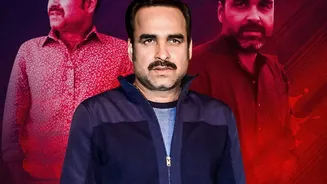
The streaming model has also redefined what it means to be a star. While big-name actors still draw crowds to theatres, OTT platforms have become a launchpad for a new generation of talent. Strong acting and compelling character portrayals are now valued as much as, if not more than, traditional star power. Actors who may have been relegated to supporting roles in mainstream cinema are finding lead roles in web series and digital films, building dedicated fanbases through their performances. This has created a more level playing field, where layered characters and realistic stories can thrive, shifting the focus from larger-than-life heroes to flawed, relatable protagonists.
The Economic Shake-Up
The rise of streaming has profoundly impacted the economics of filmmaking. Initially, OTT platforms acted as a safety net for producers, buying digital rights for massive sums. However, the market is maturing. Platforms are now more discerning, often linking payouts to a film's theatrical performance and demanding more creative control. This has led to a renewed focus on theatrical success. While direct-to-digital premieres still happen, the dominant model is now a theatrical run followed by a streaming release after a window of around eight weeks. This hybrid model allows films to maximize revenue from both cinemas and streaming subscribers, though it puts more pressure on producers to create content that can succeed on the big screen first.
The Empowered Indian Viewer
Ultimately, the biggest change is the empowerment of the audience. Viewers are no longer passive consumers but active curators of their own entertainment. They are more selective, choosing content that aligns with their specific tastes rather than just watching what's available. This has fostered an appetite for diverse genres, from gritty crime thrillers and political dramas to documentaries and experimental films that might have been considered too risky for a mainstream theatrical release. As Indian content finds a growing global audience on platforms like Netflix, this expanded taste is also influencing the kinds of stories being told, blending culturally specific narratives with internationally recognized formats.