




The Science of a Simple Breath
To understand how breath control works, we need to look at our autonomic nervous system, which has two main branches. The first is the sympathetic nervous system, our 'fight-or-flight' response. When you're stressed, it kicks in, increasing your heart
rate and making your breathing shallow and rapid. The second is the parasympathetic nervous system, our 'rest-and-digest' mode. This is where your breath becomes a remote control for your body. Slow, deep, and controlled breathing stimulates a crucial component called the vagus nerve. This nerve runs from your brainstem to your abdomen and acts as a master switch, telling your brain to activate the parasympathetic system, which slows your heart rate, lowers blood pressure, and reduces stress hormones like cortisol.
From Fight-or-Flight to Rest-and-Digest
Most of us, especially when tense, unconsciously adopt a pattern of shallow chest breathing. This habit keeps our sympathetic nervous system on high alert, perpetuating a cycle of anxiety. By consciously shifting to deep, diaphragmatic breathing, you are sending a powerful signal to your body that the danger has passed and it's safe to relax. This intentional switch from shallow chest breaths to deep belly breaths is the foundation of using breathwork for anxiety relief. It allows for a better exchange of oxygen and carbon dioxide, which helps stabilize blood pressure and calm the entire system. Studies have shown that even brief sessions of mindful breathing can significantly reduce feelings of stress and anxiety.
Technique 1: Diaphragmatic (Belly) Breathing
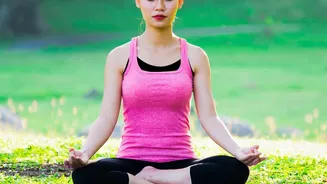
This is the most fundamental breathing exercise. As babies, we naturally breathe this way, but as we age, we often shift to less efficient chest breathing. To practice, find a comfortable position, either sitting or lying on your back. Place one hand on your chest and the other on your stomach, just above your belly button. Breathe in slowly through your nose for about four seconds, focusing on letting your stomach rise and push your hand up. The hand on your chest should remain relatively still. Exhale slowly through your mouth, feeling your stomach fall. This technique strengthens your diaphragm, the primary muscle of respiration, making your breathing more efficient and less tiring over time.
Technique 2: Box Breathing
Also known as square breathing, this technique is famously used by Navy SEALs, athletes, and surgeons to stay calm and focused under pressure. Its simplicity makes it incredibly effective. The pattern is balanced, like the four sides of a box. First, inhale slowly through your nose for a count of four. Second, hold your breath for a count of four. Third, exhale slowly through your mouth for a count of four. Finally, hold your breath at the end of the exhale for a count of four. Repeat this cycle for several minutes. The holds in this practice allow carbon dioxide to build up slightly in the blood, which enhances the calming response of the vagus nerve.
Technique 3: The 4-7-8 Breath
Popularized by Dr. Andrew Weil, this technique is rooted in the ancient yogic practice of pranayama and is especially helpful for reducing anxiety and promoting sleep. To begin, sit or lie down comfortably. Place the tip of your tongue against the tissue just behind your top front teeth and keep it there throughout the exercise. First, exhale completely through your mouth, making a 'whoosh' sound. Then, close your mouth and inhale quietly through your nose for a count of four. Hold your breath for a count of seven. Finally, exhale completely through your mouth with another 'whoosh' sound for a count of eight. The extended exhale is key, as it stimulates the parasympathetic nervous system more profoundly, helping to slow your heart rate.
Building a Sustainable Daily Habit
The real power of these practices comes from consistency. While they are incredibly effective for managing acute moments of anxiety, integrating them into your daily life can help rewire your nervous system for greater resilience over time. Try 'habit stacking' by linking a few minutes of breathwork to an existing daily routine. For example, practice box breathing for three minutes right after you brush your teeth in the morning. Use the 4-7-8 technique for a few cycles before you go to sleep. You can also use these techniques during transitional moments of your day, like in the car before walking into work or to decompress after a long meeting. Even a few conscious breaths can make a significant difference.