








What Makes a Wardrobe 'Eco-Conscious'?
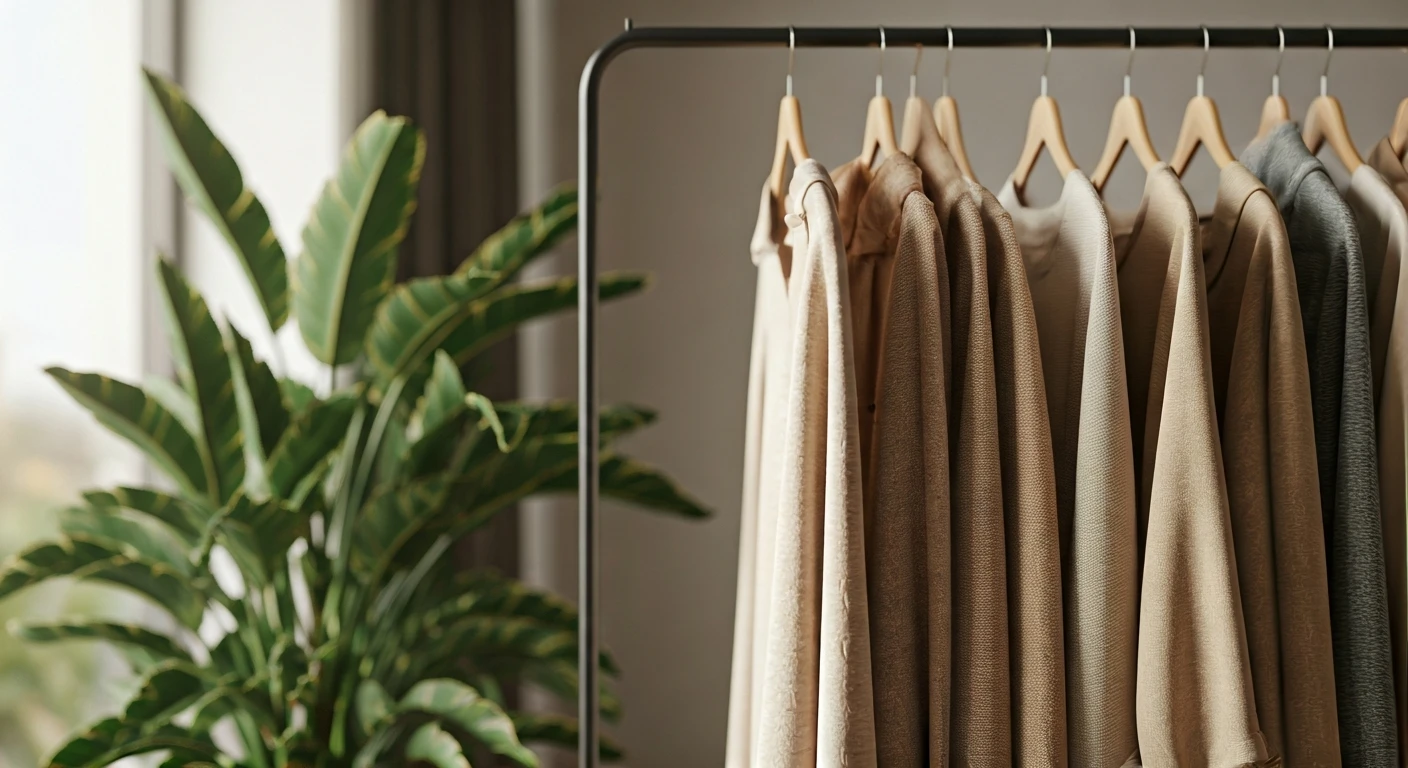
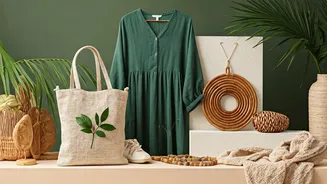
An eco-conscious wardrobe goes far beyond simply buying a t-shirt made from organic cotton. It’s a holistic approach to fashion that considers the entire lifecycle of a garment. This includes using sustainable materials like organic cotton, hemp, or recycled
fabrics, and ensuring production processes minimise water usage and pollution. It also means supporting brands that guarantee ethical labour practices and supply chain transparency. Increasingly, the definition is expanding to embrace the principles of a circular economy: a system where clothes are designed to be durable, repairable, resold, or eventually recycled back into new textiles, rather than ending up in a landfill. This represents a fundamental move away from the 'take-make-dispose' model of fast fashion.
The Mainstream Shift: More Than a Fad
Evidence suggests that sustainable fashion is moving from the fringes to the forefront. A key driver is the growing influence of Millennial and Gen Z consumers, who increasingly prioritise authenticity and social responsibility, and are willing to align their spending with their values. This demographic is 74% more likely to have purchased second-hand clothing to reduce their environmental impact. In response, major brands are launching dedicated sustainable collections and take-back programs to recycle old garments. Even in India, prominent celebrities like Priyanka Chopra Jonas, Alia Bhatt, and Dia Mirza are using their platforms to advocate for eco-friendly fashion, promoting everything from local handlooms to upcycled couture. This celebrity endorsement is making sustainable choices more visible and aspirational.
The Circular Closet: Rent, Resale, and Repair
Perhaps the most significant change is the boom in the circular fashion market, which includes resale, rental, and repair services. The global circular fashion market was valued at over USD 8 billion in 2026 and is projected to grow significantly. Driven by a desire for both sustainability and affordability, consumers are embracing platforms that extend the life of clothing. Second-hand is becoming standard, with online resale platforms seeing massive growth as consumers, particularly younger ones, buy and sell pre-loved items. This shift champions the idea of 'slow fashion': investing in fewer, higher-quality pieces and prioritising longevity and cost-per-wear over chasing fast-moving trends.
Hurdles on the Path to a Greener Wardrobe
Despite the momentum, the transition is not without challenges. The fast fashion industry is still a dominant force, with its market size far exceeding that of sustainable fashion, fueled by low prices and rapid production cycles that encourage overconsumption. For many consumers, the higher cost of sustainably made clothing remains a significant barrier. There's also the issue of 'greenwashing,' where brands make misleading claims about their environmental credentials, making it difficult for shoppers to make genuinely informed choices. While consumers show a willingness to pay more for sustainable goods, the gap between intention and actual purchase remains, especially when cheaper, trendier alternatives are readily available.