

Beyond the Postcard View
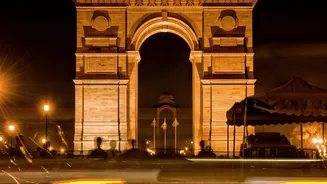
For years, the goal of a holiday was to see the famous landmarks, snap a photo, and move on. Today, a new travel philosophy is taking hold. Travellers are increasingly seeking what the industry calls 'authentic experiences'. This isn't just about avoiding
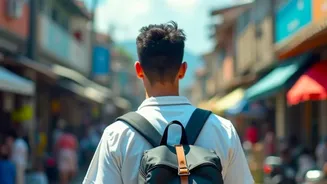
tourist traps; it's a conscious decision to engage with a destination on a deeper level. Instead of just viewing a historic site, it’s about taking a walking tour with a local historian who shares personal stories. Instead of just eating at a popular restaurant, it’s about taking a cooking class to learn the secrets behind a regional dish. This approach transforms travel from a series of photo opportunities into a collection of meaningful memories and genuine connections. It’s the difference between observing a culture from the outside and being invited to participate in it.
Why We Crave Deeper Connections
Several factors are driving this desire for authenticity. For many, it's a reaction against the standardised, 'cookie-cutter' nature of mass tourism. People want experiences that feel real and personal, not pre-packaged. Social media also plays a role, but not in the way you might think. While it can promote over-tourism at certain hotspots, it also exposes travellers to unique, off-the-beaten-path adventures, inspiring them to seek out their own distinct stories. Furthermore, there is a growing desire for purpose-driven travel, where trips feel meaningful through learning, connection, or contributing to local communities. Studies show a significant majority of global travellers now prioritise genuine, local experiences, reflecting a fundamental shift in values where understanding a place is more important than simply seeing it.
The Art of Slowing Down
Authentic travel is often synonymous with 'slow travel'. This doesn't necessarily mean taking longer holidays, but rather adopting a more mindful pace. Instead of rushing to cover multiple cities in a week, slow travel encourages spending more time in one place. This allows for spontaneity and the kind of unscripted moments where real cultural immersion happens—striking up a conversation at a local café, discovering a neighbourhood market, or simply observing the rhythm of daily life. By reducing the pressure to 'see everything', travellers create space for deeper engagement, relaxation, and a more restorative experience. This approach fosters a genuine connection to a place, its people, and its environment, making the journey itself as rewarding as the destination.
How to Plan Your Authentic Trip
Finding these genuine moments requires a bit more intention in the planning process. Start by looking for community-based tourism initiatives where your travel spending directly supports local people. Consider accommodations like homestays or locally-owned guesthouses over large hotel chains. Look for hands-on workshops, whether it's learning a traditional craft, participating in a local dance, or joining a cooking class. Festivals offer a vibrant window into a culture's soul, and planning a trip around one can be a transformative experience. Most importantly, engage with the locals. Ask your taxi driver for their favourite restaurant or a market vendor about their craft. These simple interactions often lead to the most memorable and authentic insights.
Travel with Respect and Curiosity
The pursuit of authenticity must be grounded in respect. It’s about being a guest, not just a consumer. This means approaching new cultures with curiosity and a willingness to listen and learn. It involves understanding local customs, learning a few basic phrases in the local language, and being mindful of your impact. Authentic travel is a two-way exchange; it enriches the traveller while honouring the host community. The goal is to leave a place with a deeper understanding and appreciation, ensuring that your presence is a positive one. When done thoughtfully, this style of travel fosters cross-cultural understanding and creates a more sustainable and meaningful way to see the world.