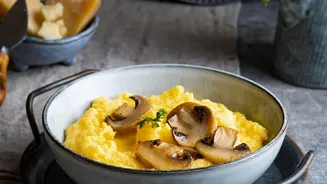







1. The Classic: Creamy Parmesan Polenta
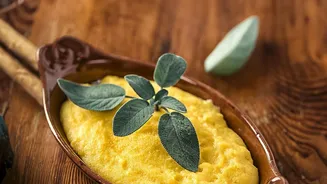
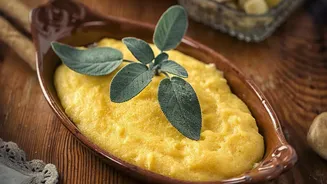
The most fundamental way to enjoy polenta is in its creamy, porridge-like state, which serves as a perfect canvas for countless flavours. To achieve a luscious texture, the key is a slow cooking process and constant whisking to prevent lumps. Start by
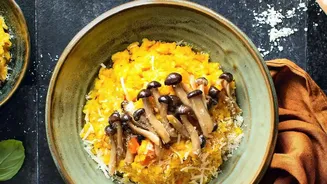
bringing a liquid to a boil—water or chicken stock both work well for a savoury base. Slowly pour in the cornmeal while whisking continuously. Reduce the heat and let it simmer, stirring every few minutes, for about 30 to 45 minutes, until the polenta is thick, smooth, and no longer tastes grainy. To finish, turn off the heat and stir in generous amounts of unsalted butter and grated Parmesan cheese until everything is melted and beautifully combined. This creamy version is a perfect bed for rich meat stews, mushroom ragu, or roasted vegetables.
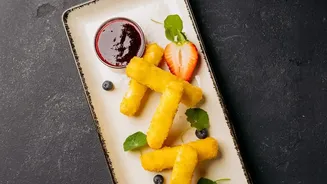
2. The Crispy Appetiser: Pan-Fried Polenta Bites
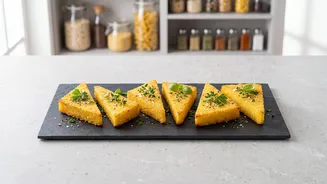
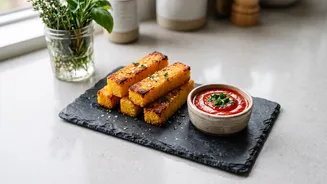
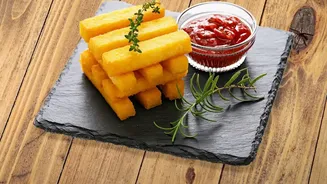
Transforming leftover creamy polenta into a crispy, golden delight is surprisingly simple and makes for an elegant appetiser or side dish. The first step is to let your cooked polenta cool and set. Spread the hot, cooked polenta onto a lightly oiled baking sheet to about a three-quarter-inch thickness and refrigerate it for at least an hour, or even overnight, until it's completely firm. Once chilled, you can cut the firm polenta into any shape you like—squares, rectangles, or triangles are popular choices. Heat a generous amount of olive oil in a non-stick frying pan over medium-high heat. Carefully place the polenta slices in the hot pan, ensuring not to overcrowd it, and fry for about 5 to 10 minutes on each side until a deep golden-brown crust forms. The result is a bite with a satisfyingly crunchy exterior and a soft, creamy inside. Serve them warm with a sprinkle of fresh herbs.
3. The Hearty Main: Baked Polenta Casserole
For a comforting and substantial meal, polenta can be used as the base for a hearty baked casserole, similar to a gluten-free lasagne. This method involves layering cooked and firmed-up polenta with sauces, cheeses, and other delicious fillings. After preparing your polenta and letting it set, you can cut it into squares to create layers in a greased baking dish. Start with a layer of polenta, followed by a layer of a rich meat or vegetable sauce, such as a ground turkey and mushroom ragu or a classic tomato sauce. Add a layer of cheese—mozzarella and Parmesan work wonderfully—and then repeat the layers until the dish is full, finishing with a final layer of cheese on top. Bake in a preheated oven until the sauce is bubbly and the cheese is melted and golden, which typically takes about 30-40 minutes. Let it stand for a few minutes before serving to allow it to set slightly.
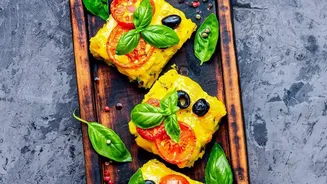
4. The Weekend Brunch: Grilled Polenta with Toppings
Grilling adds a wonderful smoky flavour and distinctive grill marks that make polenta an excellent choice for a weekend brunch or a light lunch. Much like the pan-fried version, you begin with firm, chilled polenta cut into thick slices or wedges. Brush both sides of the polenta pieces with olive oil to prevent sticking and to help them develop a golden crust. Heat your grill or a grill pan over medium-high heat and cook the polenta for about 5 to 7 minutes per side, until they are well-marked and heated through. These grilled polenta slices serve as a sturdy base for a variety of toppings. For a classic brunch, try topping them with a dollop of fresh mozzarella and a simple tomato and basil bruschetta topping. Other fantastic options include sautéed mushrooms, a zesty goat cheese spread, or even pulled pork.
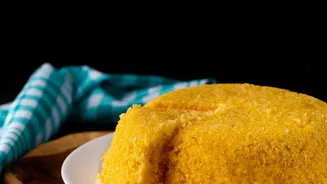
5. The Surprising Sweet: Orange Polenta Cake
Polenta's versatility extends all the way to dessert. Its fine, crumbly texture makes it a fantastic gluten-free alternative to flour in cakes, lending a moist and slightly nutty character. An Orange Polenta Cake is a classic example that is both fragrant and delicious. Many recipes use a combination of polenta and ground almonds for a wonderfully tender crumb. The process often involves creaming butter and sugar, then adding eggs, orange zest, and vanilla. The polenta, ground almonds, and a leavening agent like baking powder are folded in. Some recipes even call for boiling whole oranges until soft and blending them into a puree to be mixed into the batter for an intense citrus flavour. After baking, the cake is often soaked in a warm orange syrup, which it absorbs beautifully, making it even more moist and flavourful.