






A Strategic Evolution, Not a Replacement
Recent clarifications from the Indian Space Research Organisation (ISRO) have put to rest any speculation about its privatisation. The central message is clear: the growing participation of the private sector is not about diminishing ISRO but about expanding
India's entire space capability to capture a larger share of the global market. This strategic shift is formalised in the Indian Space Policy 2023, which aims to create a stronger, globally competitive ecosystem. The goal is to grow India's slice of the global space economy from around 2% to a target of $44 billion by 2033. Achieving this ambitious scale requires the combined might of government resources and private sector capital and agility.
The New Division of Labour
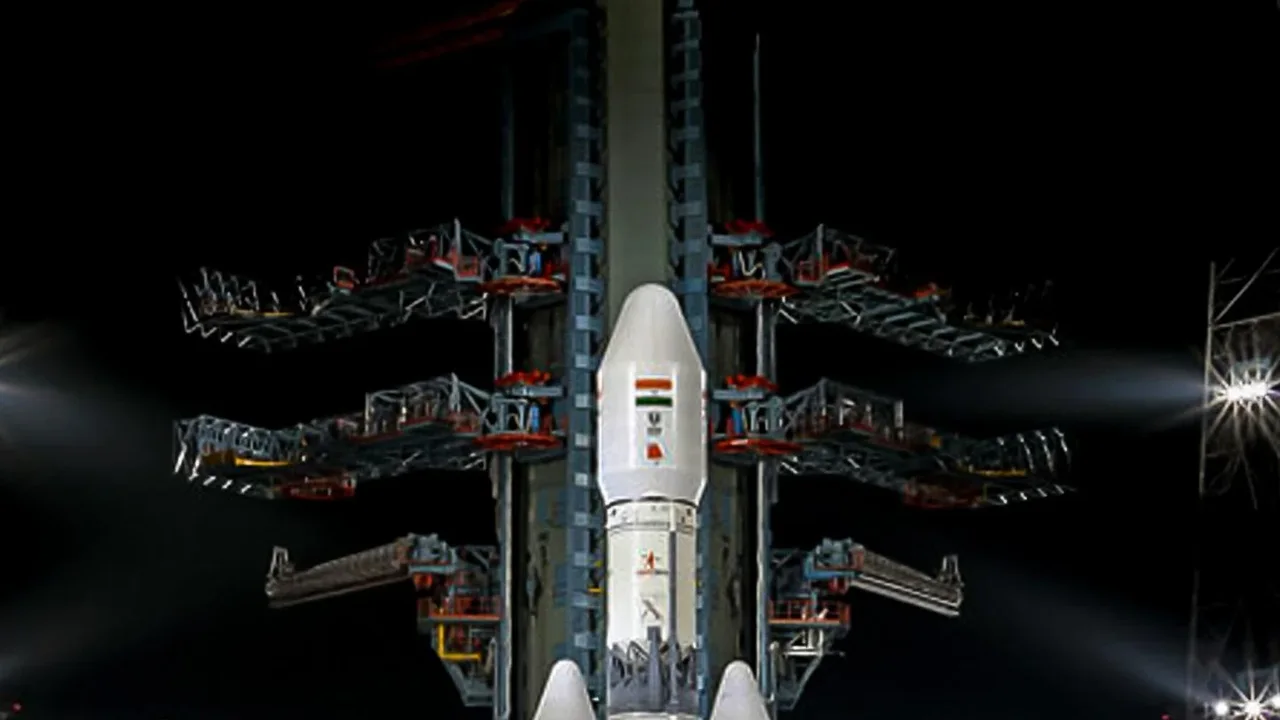
The new model creates a clear division of responsibilities. Private companies and Public Sector Undertakings (PSUs) will increasingly take over the manufacturing of mature and routinely produced systems. This includes the large-scale production of proven workhorses like the Polar Satellite Launch Vehicle (PSLV), routine satellite fabrication, and other established systems. This move allows industry to bring in investment, increase production capacity, and commercialise these technologies for both domestic and global markets. By handing over these operational tasks, ISRO is freed from the production line to concentrate on its core strengths.
IN-SPACe: The Great Enabler
At the heart of this new architecture is the Indian National Space Promotion and Authorisation Centre (IN-SPACe). Established as an autonomous single-window agency under the Department of Space, IN-SPACe's role is to promote, guide, and authorise the space activities of all non-governmental entities. It acts as the crucial interface between private players and ISRO, ensuring that companies can access ISRO's facilities, technologies, and expertise in a regulated manner. By creating a level playing field, IN-SPACe fosters competition and innovation, helping the number of Indian space start-ups grow from a handful in 2020 to over 450 today.
ISRO’s Focus: The Next Frontier
So, what will ISRO do? Its role will pivot to areas where its deep scientific expertise is indispensable. The agency will now concentrate its formidable resources on frontier research and development, next-generation technologies, and complex national missions. This includes ambitious projects like the Gaganyaan human spaceflight programme, establishing the Bharatiya Antariksh Station by 2035, a crewed mission to the Moon by 2040, and deep-space planetary exploration. ISRO will continue to develop cutting-edge systems in propulsion, advanced payloads for communication and navigation, and critical technologies for national security. In essence, ISRO is moving from doing everything to leading the country into the next era of space exploration.
A Symbiotic Future for Indian Space
This new framework is not a zero-sum game but a symbiotic relationship. A robust domestic industry strengthens ISRO by augmenting its capabilities and reinforcing the supply chain. The transfer of mature technology to industry does not mean ISRO is abandoning those domains; rather, it allows for their scaling and commercialisation while ISRO's scientists focus on what's next. This collaborative approach—with ISRO as the guide and industry as the engine of production—is designed to multiply India's overall space capability. The target of achieving 50 launches a year, for instance, is only possible through this joint effort. This model ensures that critical national space infrastructure and strategic capabilities remain under government control while leveraging private efficiency to accelerate growth.