



Understanding the Price Hike
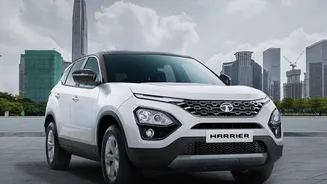
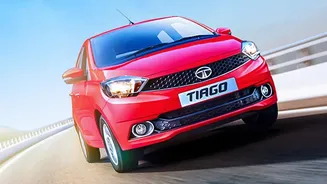
Effective September 1, 2026, Tata Motors will increase prices across its passenger vehicles—including both petrol, diesel, and electric models—by up to ₹25,000. The company states this is to partially offset the relentless rise in input and commodity
costs. This isn't a standalone event; it's the third price adjustment from the manufacturer in 2026 and follows similar announcements from competitors like Maruti Suzuki and Hyundai, who are also grappling with inflationary pressures. For a buyer, this means the car you were eyeing last month might now cost more, making a careful evaluation more crucial than ever.
Re-evaluate the On-Road Price and Your Budget
The announced hike is on the ex-showroom price. The final on-road price—which includes registration, road tax, and insurance—will be even higher. Before you proceed, revisit your total budget. A ₹25,000 increase on the ex-showroom price can translate to a larger overall outflow. Factor this new cost into your calculations, especially if you are considering a car loan. A higher principal amount means a higher EMI, so it's wise to use an online calculator to see how the new price affects your monthly payments and overall interest. Don't let a small hike stretch your finances uncomfortably over the long term.
Compare Against the Competition
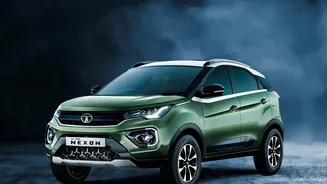
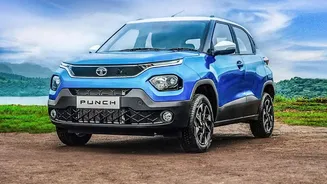
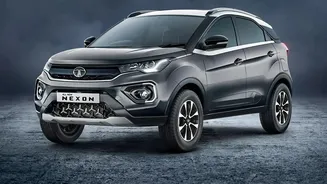
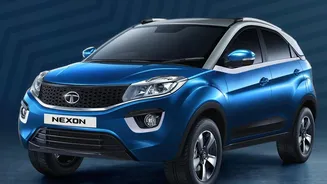
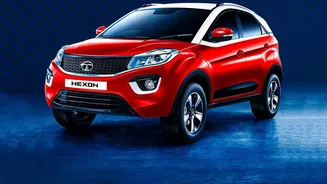
A price hike changes a car's value proposition relative to its rivals. Now is the perfect time to cross-shop. If you were considering the Tata Nexon, for example, compare its updated price and feature list with models like the Maruti Suzuki Brezza, Hyundai Venue, Kia Sonet, and Mahindra XUV 3XO. Similarly, the popular Tata Punch should be compared against the Hyundai Exter. Create a simple checklist: compare the on-road prices of similarly equipped variants, engine performance, safety ratings (an area where Tata often excels), and key features like infotainment systems and connected car tech. A price change might make a competitor's offering more attractive than it was before.
Look Beyond the Sticker Price: Total Cost of Ownership
A smart car purchase involves looking beyond the initial showroom price. Consider the total cost of ownership. This includes fuel efficiency (mileage), routine service and maintenance costs, and the potential resale value a few years down the line. While Tata cars are known for their robust build and high safety scores, compare their claimed mileage and average service costs with their direct competitors. Sometimes, a car that is slightly more expensive to buy might be cheaper to run, or vice versa. Also, research the resale value trends for the models you're considering, as brands like Maruti Suzuki and Hyundai often command a high resale value.
Don't Forget the Test Drive and Feature Audit
No brochure or review can replace the feeling of being behind the wheel. Take extensive test drives of your shortlisted Tata model and its key competitors. Pay attention to ride comfort on different road surfaces, cabin quietness, engine responsiveness, and the ease of using the controls. While driving, critically assess the features. Does the top-end variant's sunroof and large touchscreen justify the premium over the mid-tier variant? Or does a competitor offer essential safety features like six airbags and Electronic Stability Control (ESC) at a lower price point? The price hike makes it essential to distinguish between 'must-have' features and 'good-to-have' luxuries.
Scout for Discounts and Offers
A company-wide price hike doesn't mean you can't find a good deal. Dealers may still offer discounts on select models or variants, especially on cars manufactured before the price increase came into effect. Enquire about corporate discounts, exchange bonuses, and special offers. With the festive season approaching, manufacturers often roll out schemes to boost sales. While these might not completely negate the price hike, they can certainly soften the blow. Be sure to negotiate with multiple dealers to get the best possible final price.