

The Small-Home Clutter Creep
In a compact home, every surface is prime real estate. The line between a functional space and a storage pile is dangerously thin. Keys, mail, shopping bags, and items to be put away later often land on the first available surface—a kitchen counter, a dining
table, or the dreaded bedroom chair. Before you know it, this temporary pile becomes a semi-permanent monument to pending tasks. This visual chaos isn't just messy; it's a constant, low-grade source of stress. Studies have shown that a cluttered environment competes for our attention, leading to sensory overload and a feeling of being overwhelmed. The good news is that reclaiming control doesn't require a massive overhaul, but a simple, strategic shift in how you handle items in transit.
Introducing the 'Drop Zone'
Professional organizers refer to a 'drop zone' as a designated spot, usually near the main entrance, for the things you bring in and out of the house every day. This isn't just another name for a messy corner. A drop zone is a deliberate, contained system designed to catch clutter before it scatters. It could be a small entryway table, a specific section of a kitchen counter, or a wall-mounted organizer. The key is that it has a defined purpose: to temporarily hold items like keys, wallets, mail, sunglasses, and backpacks. By creating a single, intentional home for these things, you prevent them from migrating across the house and starting new piles of clutter.
The Golden Rule: Nothing Lives Here Permanently
Here is the non-negotiable principle that makes this system work: the drop zone must be reset regularly. This is what prevents it from becoming another permanent storage area. Depending on your household's traffic, this reset should happen daily or every other day. It’s a five-minute task. Mail gets sorted (and junk mail recycled), receipts are filed, bags are unpacked, and items that belong elsewhere are returned to their proper homes. This small, consistent habit is the 'reset button' for your home. It stops the accumulation at the source, ensuring that a small task doesn't snowball into a weekend-long cleaning project. If an item stays in the drop zone for more than a day or two, it’s a sign it needs a permanent home.
How to Set Up Your Drop Zone
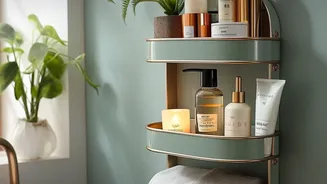
Creating a functional drop zone is simple and doesn't require a dedicated mudroom. Start by identifying where things naturally land when you walk in the door; working with your natural habits is more effective than fighting them. Then, define what needs to be stored there. Use tools to contain the chaos: a small tray for keys and wallets, a vertical file or basket for mail, and hooks for bags and coats. Using vertical space with wall hooks or shelves is especially effective in smaller homes as it keeps floors and surfaces clear. You can even make it stylish with a nice basket or a decorative bowl, turning a functional area into a welcoming part of your home decor.
The Mental Win of a Quick Reset
The benefit of this system extends beyond physical tidiness. The ability to completely clear one area of your home in just a few minutes provides a powerful psychological lift. It fosters a sense of control and accomplishment, which can reduce stress and boost your mood. When your environment feels orderly, your mind tends to feel clearer and more focused. Instead of being greeted by a chaotic mess that reminds you of unfinished tasks, you come home to a space that feels managed and calm. This small routine builds momentum, making other organizational tasks feel less daunting and helping you maintain a tidier home in the long run.